الإسبانية
 روسيا
روسيا
Custom Automatic High-Speed Rolling Shutter Door Roll Forming Machine for Different Slat Profiles
A rolling shutter door roll forming machine changes metal coils into exact interlocking slats. These slats create strong security doors and access control systems. Producers use modern automatic rolling shutter machines and shutter slat forming machines. The equipment gives high precision and steady quality. It also supports flexible production for many profiles.
These industrial systems help efficient manufacturing for commercial storefronts, warehouses, garages, and factories. Custom designs permit fast changeovers between flat, curved, wind-resistant, and insulated slats. This ability meets various market needs. It also cuts costs and raises output.
Businesses that look for reliable metal shutter door production lines gain from advanced automation, servo controls, and strong engineering. This article examines how these machines operate. It covers their main features, materials, applications, and selection criteria.
What Is a Rolling Shutter Door Roll Forming Machine?
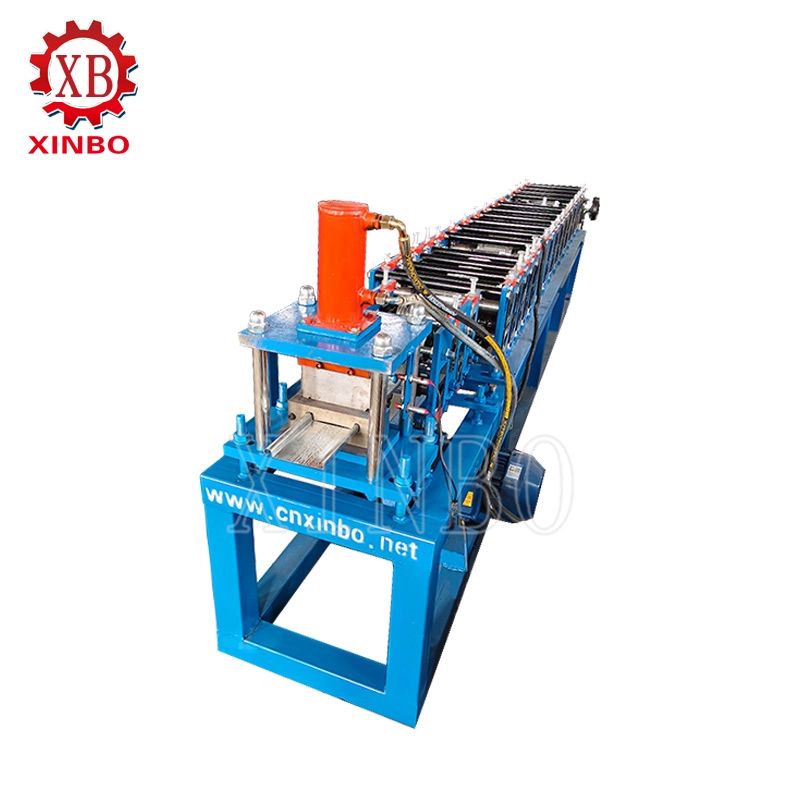
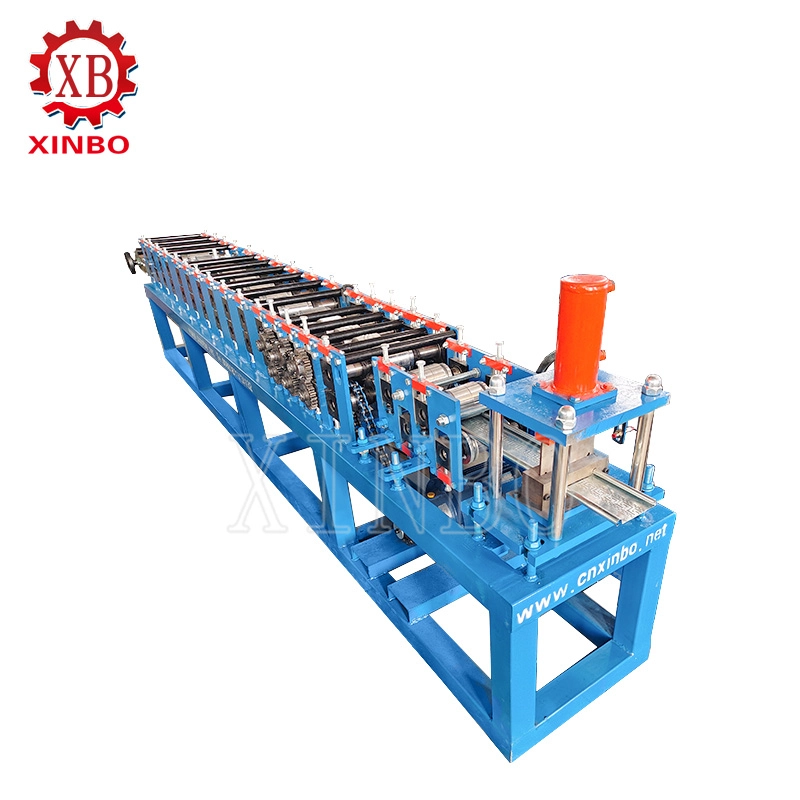
A rolling shutter door roll forming machine is a special cold roll forming system. It shapes flat metal coils into curved or flat interlocking slats. These slats make the curtain of a rolling shutter door. These machines create large volumes of uniform profiles with good structural strength.
How Rolling Shutter Slat Forming Machines Work
The production process starts with a decoiler that unwinds the metal coil. The material goes through a feeding and leveling system. This system makes sure the entry is straight and even. Progressive roller stations then shape the strip step by step into the needed slat profile. They use a series of bending operations.
Hydraulic or servo punching makes ventilation holes or locking features if they are necessary. A hydraulic cutting system cuts the formed slat to exact lengths. An automatic stacker collects the finished pieces.
Modern lines run continuously at high speeds. They use PLC control for repeatability and low waste. The full sequence from coil to stacked slat needs little operator help.
Different Slat Profiles Used in Shutter Door Systems
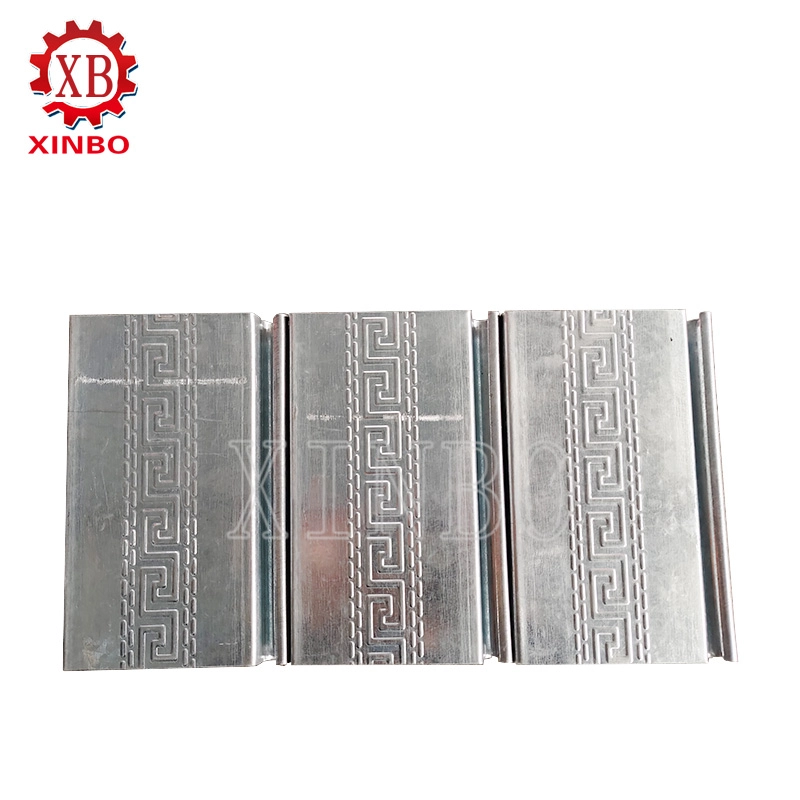
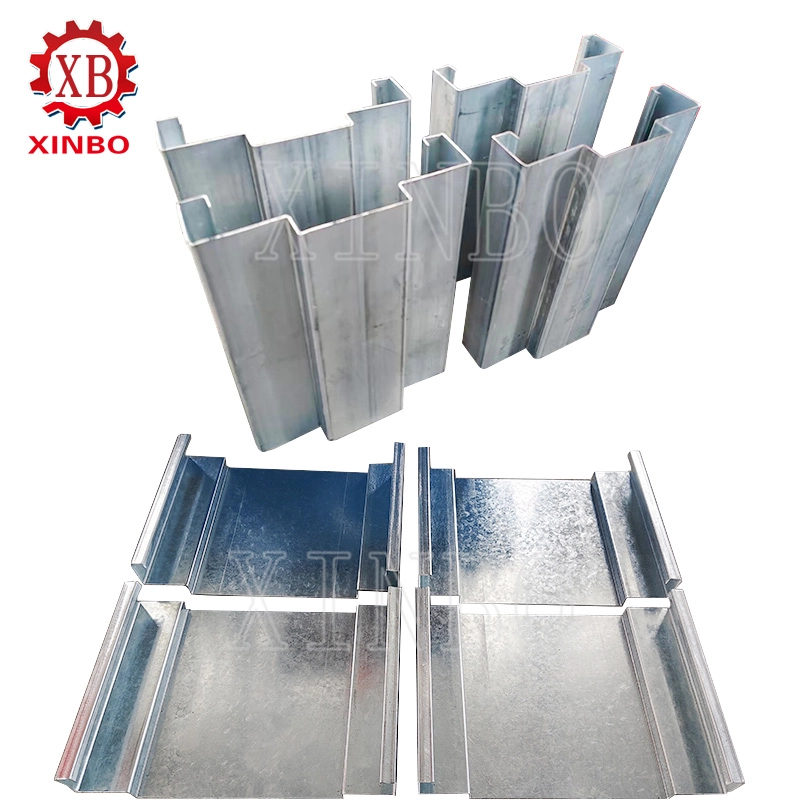
Manufacturers produce various profiles to fit specific performance needs. Common designs include flat, curved (hook-type), reinforced, and double-layer insulated slats. Each profile gives special advantages in strength, appearance, wind resistance, or thermal performance.
Applications of Metal Rolling Shutter Doors in Commercial and Industrial Buildings
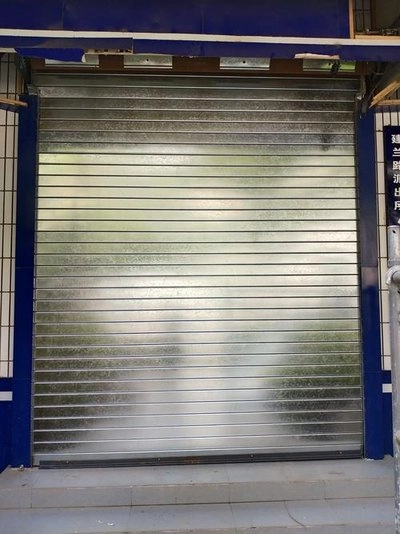
Metal rolling shutter doors supply security, weather protection, and space efficiency. They appear in storefronts for after-hours protection. They are used in warehouses for large openings. Factories use them for machinery isolation. Shopping malls choose them for aesthetic security. Garages apply them for residential and commercial use. These doors also serve industrial facilities where quick and reliable access control is important.
Different Slat Profiles for Rolling Shutter Door Production
Custom rolling shutter door roll forming machines do well at producing multiple slat profiles on the same line. This versatility lets manufacturers serve different market segments. They do not need multiple dedicated machines.
Flat Rolling Shutter Slat Profiles
Flat slats provide a clean and simple appearance and solid strength. They fit standard security applications in commercial and residential settings. These profiles form easily. They give good stacking density when rolled up.
Curved Shutter Slat Roll Forming Solutions
Curved or hook-type slats improve interlocking and operational smoothness. Their aerodynamic shape lowers wind noise. It also increases visual appeal. Many manufacturers prefer these profiles for retail and high-visibility installations.
Wind-Resistant Rolling Shutter Slat Designs
Wind-resistant profiles have reinforced edges, thicker gauges, and special interlocking systems. They stand up to high wind loads in coastal or exposed industrial areas. Additional features such as wind locks increase stability even more.
Insulated Rolling Shutter Slat Production Options
Insulated slats use double-wall construction or PU foam filling. These designs give better thermal and acoustic insulation for climate-controlled warehouses, cold storage, or noise-sensitive environments. Production often includes inline or post-forming foam injection.
Key Features of a Custom Rolling Shutter Door Roll Forming Machine
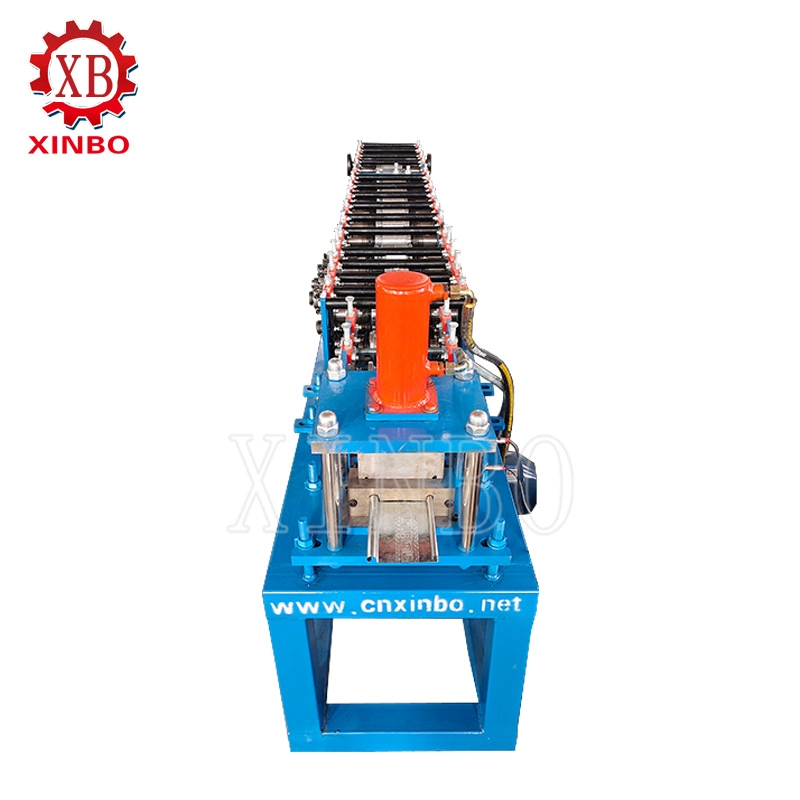
Leading custom machines include advanced technology. This technology supports multi-profile production and high efficiency.
Servo Feeding and Automatic Cutting Systems
Servo motors give precise length control and synchronized feeding. This technology reduces material waste. It also makes sure cut lengths stay consistent across production runs. Automatic cutting keeps high speed without line stops.
Adjustable Roller Stations for Multiple Slat Sizes
Quick-adjust or cassette-style roller stations allow fast changeovers between different widths and profiles. This feature delivers true flexible manufacturing with low downtime.
PLC Control Systems for High-Precision Production
PLC systems with touchscreen interfaces manage all parameters. These include speed, length, and punching patterns. Operators store recipes for different profiles. This storage ensures repeatability and lowers setup errors.
High-Speed Continuous Roll Forming Technology
Modern lines reach forming speeds of 15–60 meters per minute. The speed depends on profile complexity and material thickness. High-speed operation increases daily output greatly. It still keeps tight tolerances.
Benefits of Using a Multi-Profile Shutter Roll Forming Machine
Reduced Tooling Costs for Manufacturers
One multi-profile machine replaces several dedicated lines. This change lowers capital investment and maintenance expenses in a big way.
Faster Profile Changeover for Flexible Production
Adjustable stations and quick-change tooling cut changeover time from hours to minutes. Manufacturers respond fast to customer orders for different specifications.
Improved Production Efficiency and Consistency
Automation delivers uniform quality across thousands of slats. Precise controls reduce defects, scrap rates, and rework. They also maximize material utilization.
Lower Labor Costs in Shutter Door Manufacturing
Highly automated lines need fewer operators. One or two technicians can watch decoiling, forming, cutting, and stacking. This setup frees personnel for other value-added tasks.
Materials Used in Rolling Shutter Slat Production
Galvanized Steel Shutter Slat Forming
Galvanized steel offers excellent corrosion resistance, high strength, and cost-effectiveness. It stays the most common material for industrial and commercial shutters. Thicknesses range from 0.5 mm to 1.2 mm.
Aluminum Rolling Shutter Slat Production
Aluminum slats provide lightweight construction, natural rust resistance, and attractive finishes. They fit architectural applications where weight and aesthetics matter.
Color-Coated Steel for Shutter Door Systems
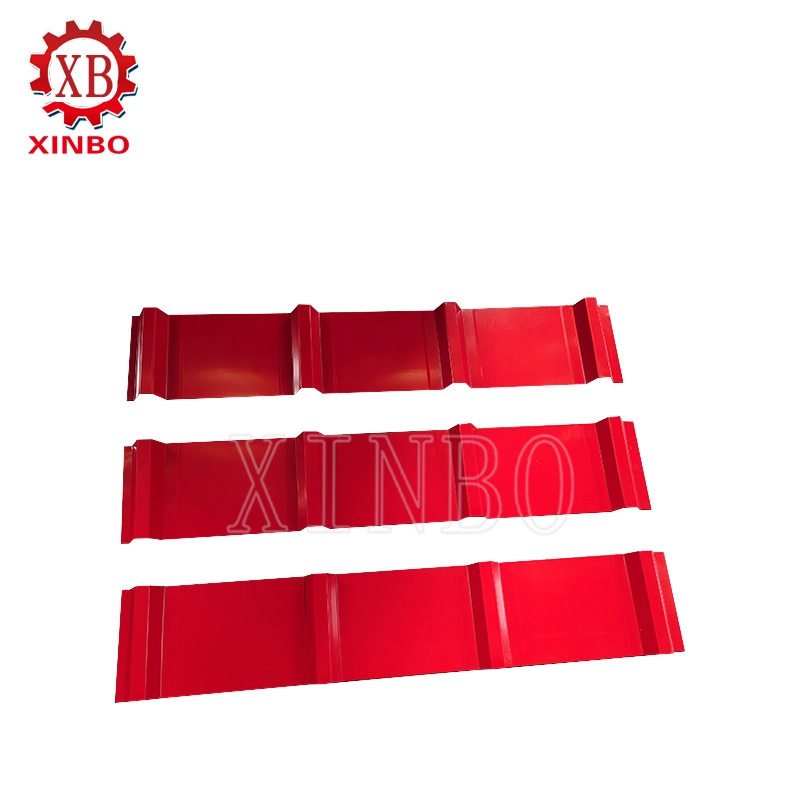
Pre-painted or color-coated steel combines protection with built-in aesthetics. Manufacturers avoid secondary painting. They offer customers a wide range of colors.
Thickness Ranges for Different Shutter Applications
Typical thickness ranges from 0.4–0.6 mm for light residential use to 0.8–1.2 mm for heavy industrial doors. Selection depends on required wind load, span, and security level.
Automatic Rolling Shutter Door Production Line Components
Decoiler and Feeding Systems
Hydraulic or manual decoilers handle coils up to several tons. Feeding systems with leveling rollers ensure flat and aligned material entry into the forming section.
Main Roll Forming Section
This core section features high-quality alloy rollers. These rollers are often GCr15 or Cr12 with heat treatment and chrome plating. They mount on sturdy shafts. The number of stations usually ranges from 12 to 20. This depends on profile complexity.
Hydraulic Punching and Cutting Systems
Hydraulic units create precise holes or notches. They also perform clean and burr-free cuts. Servo-controlled systems synchronize perfectly with the forming speed.
Stacker and Finished Product Collection
Automatic stackers neatly pile finished slats. They reduce manual handling and protect surfaces. Some advanced lines include strapping or packaging options.
Industries That Use Rolling Shutter Door Forming Machines
Commercial Storefront Shutter Production
Retail businesses require attractive yet secure shutters. Custom profiles help maintain brand aesthetics. They still provide robust protection.
Industrial Warehouse Rolling Shutter Manufacturing
Large openings in warehouses demand durable and high-cycle shutters. Heavy-gauge slats produced on robust machines meet these requirements.
Garage Door and Security Shutter Applications
Both residential and commercial garages benefit from reliable rolling solutions. Machines produce a range of sizes for different door dimensions.
Retail Security Shutter Production Solutions
Shopping centers and individual stores use these shutters for overnight security. Perforated or vision options enhance ventilation and visibility.
Additional applications include factories, logistics centers, and public buildings. Controlled access and security are essential in these places.
How to Choose the Right Rolling Shutter Roll Forming Machine
Production Capacity and Speed Considerations
Match machine speed and duty cycle to projected daily or monthly output. High-volume producers benefit from 30–60 m/min lines.
Selecting Machines for Different Slat Dimensions
Verify the machine’s profile range, width capacity, and thickness handling. Adjustable or multi-cassette designs offer maximum flexibility.
Automation Level and Customization Options
Higher automation such as servo feeding, PLC, and auto-stacking reduces labor. It also increases initial investment. Choose customization features that align with current and future product mixes.
After-Sales Support and Machine Maintenance
Reliable suppliers provide installation, training, spare parts, and technical support. Easy access to maintenance documentation and local service helps maximize uptime.
Contact XINBO for Custom Rolling Shutter Door Roll Forming Solutions
شينبو is a professional manufacturer with extensive experience in producing high-quality roll forming machines. This includes shutter door production lines. The company offers custom designs tailored to specific slat profiles. It provides competitive pricing, reliable quality, and comprehensive after-sales support. These help manufacturers achieve efficient and flexible production with automatic rolling shutter machines. Contact XINBO today.
أسئلة متكررة
What Is the Typical Forming Speed of a Rolling Shutter Door Roll Forming Machine?
Speeds range from 15 to 60 meters per minute. This depends on the model, profile complexity, and material thickness.
Which Materials Work Best With a Shutter Slat Forming Machine?
Galvanized steel, aluminum, color-coated steel, and occasionally stainless steel perform well. Thickness usually falls between 0.4 mm and 1.2 mm.
مشاركات ذات صلة
+


 Arabic
  English
  Spanish
  Portuguese
  Russian
  French
  Dutch
Dutch  Turkish
  Swahili
  Serbian
  Romanian