الإسبانية
 روسيا
روسيا
Clip-Lock Roof Panel Roll Forming Machine: Profile Design and Panel Accuracy
A clip-lock roof panel roll forming machine is designed to produce interlocking metal roofing panels with consistent seams, accurate dimensions, and repeatable profile geometry. For roofing manufacturers, the most important question is not simply whether a machine can form a panel. The real issue is whether it can reproduce the complete clip-lock profile accurately enough for panels to align, engage, and perform as intended during installation.
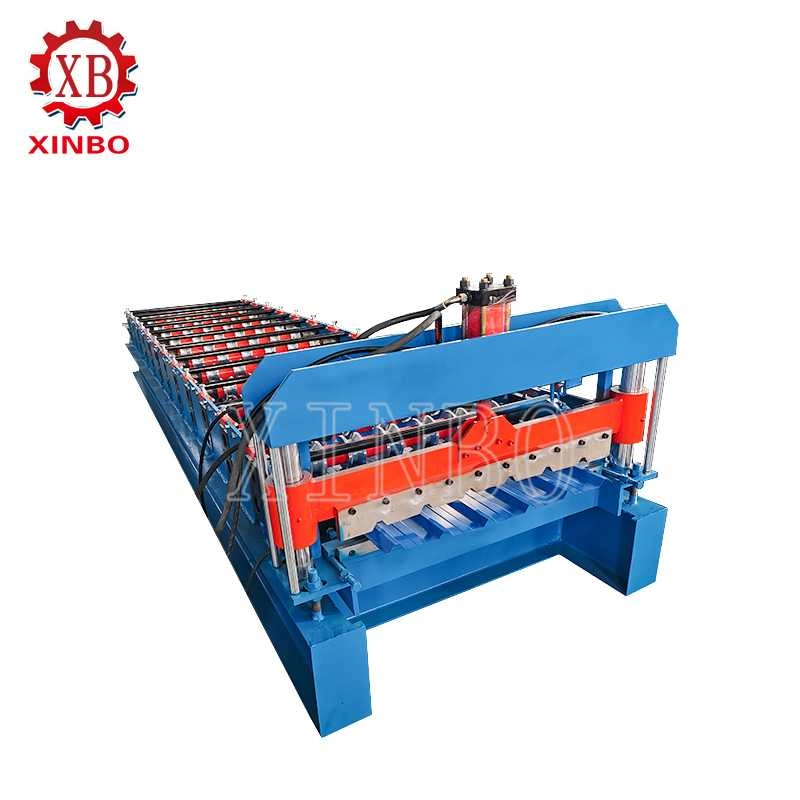
The final result depends on several connected factors: the profile drawing, material characteristics, roll tooling, entry alignment, forming sequence, cutting method, and quality-control process. شينبو supplies standing seam and roof panel forming equipment with separate feeding, forming, and cutting sections that can be configured according to the required panel design.
What a Clip-Lock Roof Panel Roll Forming Machine Must Form
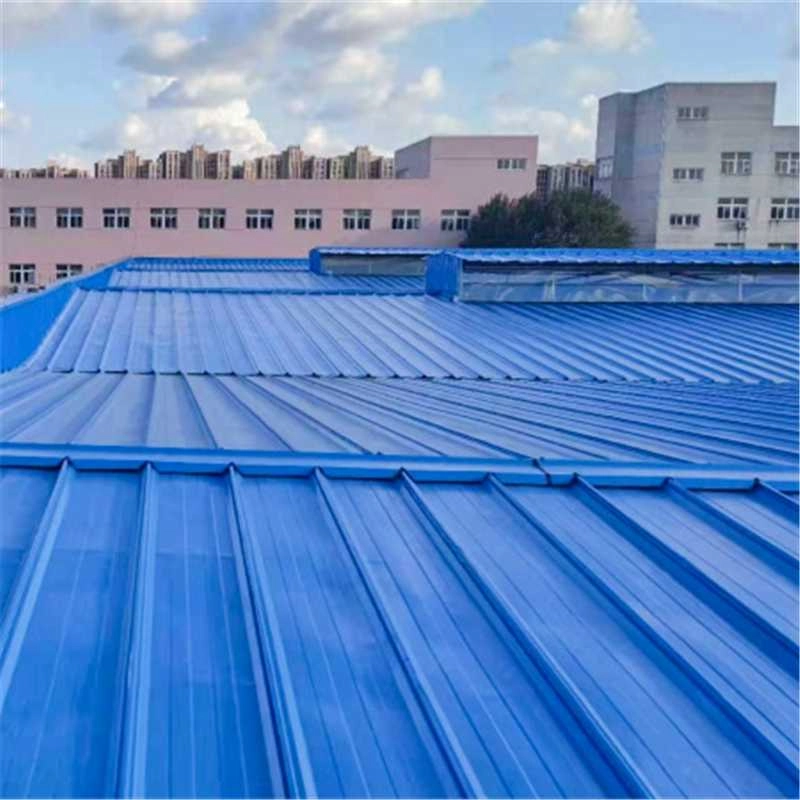
Clip-lock roofing panels use concealed fastening and an interlocking side profile. Instead of exposing fasteners across the panel surface, the roofing system is assembled through the relationship between the panel edges, clips, and supporting structure. This places greater importance on the accuracy of the male and female edges.
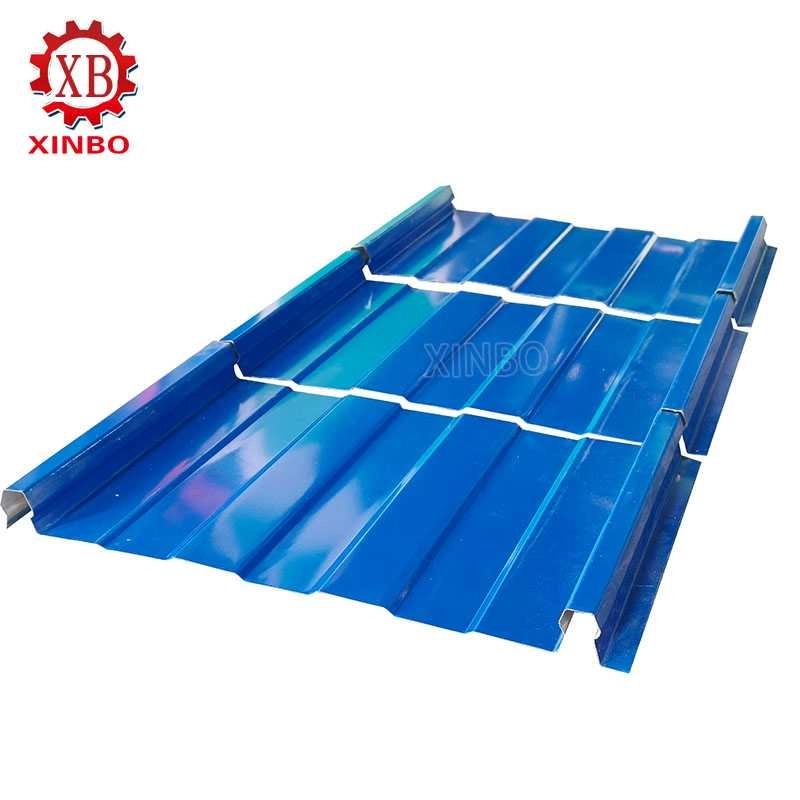
A suitable clip-lock roof panel roll forming machine should be able to produce:
- Consistent panel width from the first sheet to the last
- Straight and stable standing ribs
- Accurate interlocking edges
- Uniform panel height and base geometry
- Clean cut ends without damaging the formed profile
- Repeatable dimensions for installation and project planning
The machine must form the panel progressively. Each roll station makes a controlled adjustment to the strip rather than attempting to create the complete shape in one operation. This gradual process helps reduce sudden deformation, surface marking, and inconsistent edge formation.
The exact tooling arrangement depends on the customer’s profile drawing, material, thickness, width, and required finished dimensions. These details should be confirmed before manufacturing the machine.
Profile Design Starts With the Drawing
Profile accuracy begins before the steel coil enters the forming line. A roofing manufacturer should provide a clear technical drawing showing the finished panel width, rib height, seam structure, side locks, return edges, and cut-length requirements.
The drawing should also identify the dimensions that are critical for installation. For example, a small variation in the effective cover width may affect how many panels are required across a roof. A difference in the locking edge may influence whether adjacent panels engage correctly. For this reason, the machine should be designed around the finished profile rather than around a general description such as “metal roof panel.”
Material selection is also important. Galvanized steel and aluminum do not behave in exactly the same way during forming. Differences in yield strength, coating, thickness, and springback can affect the roll tooling and forming sequence. The selected machine configuration should therefore be checked against the actual material range intended for production.
If one production line will make more than one profile, the manufacturer should clarify whether the changeover requires interchangeable tooling, additional forming stations, or a dedicated machine. Multi-profile capability may be practical in some applications, but it must be evaluated against setup time, profile compatibility, and the required level of dimensional control.
How the Forming Line Protects Panel Accuracy
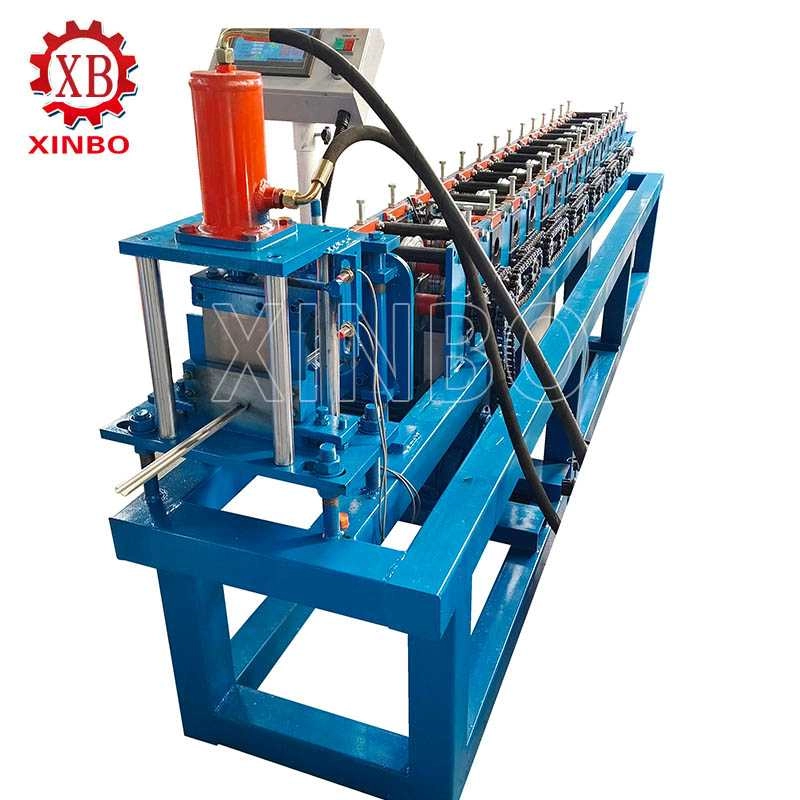
A roll forming line normally includes a feeding section, forming section, and cutting section. Each part influences the quality of the finished roofing panel.
The feeding section guides the strip into the machine body. Adjustable guides help position different material widths and keep the incoming strip centered. If the coil enters at an angle, the error can continue through every forming station. This may result in side-to-side width variation, uneven ribs, or a panel that does not remain straight.
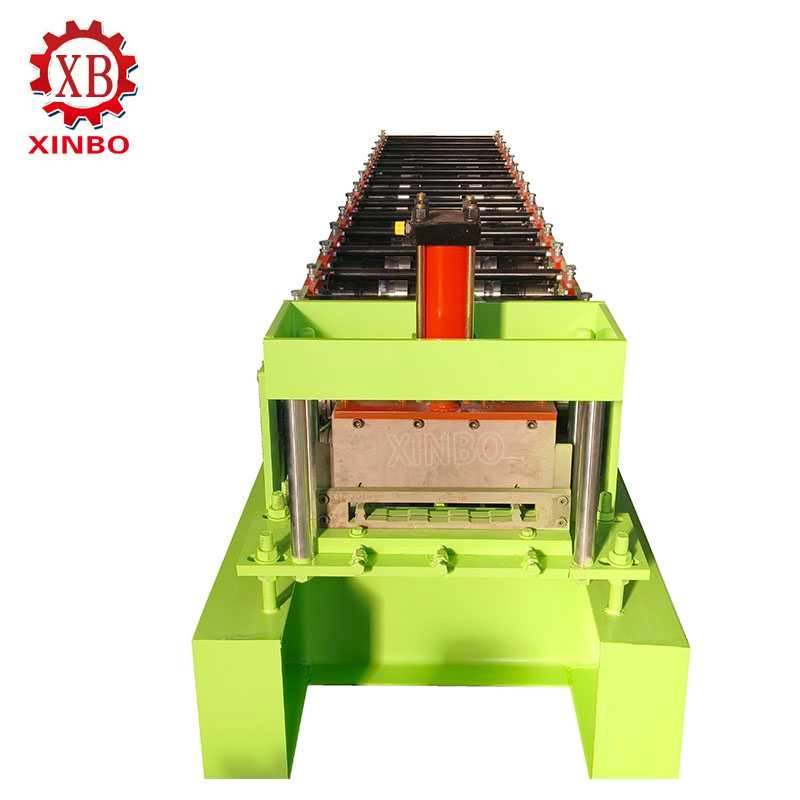
The forming section contains the roll stations and supporting structure. The stations must be arranged so that the material is shaped progressively and evenly. Poorly matched tooling can create excessive stress in one area of the strip, leading to scratches, twisting, or an unstable seam.
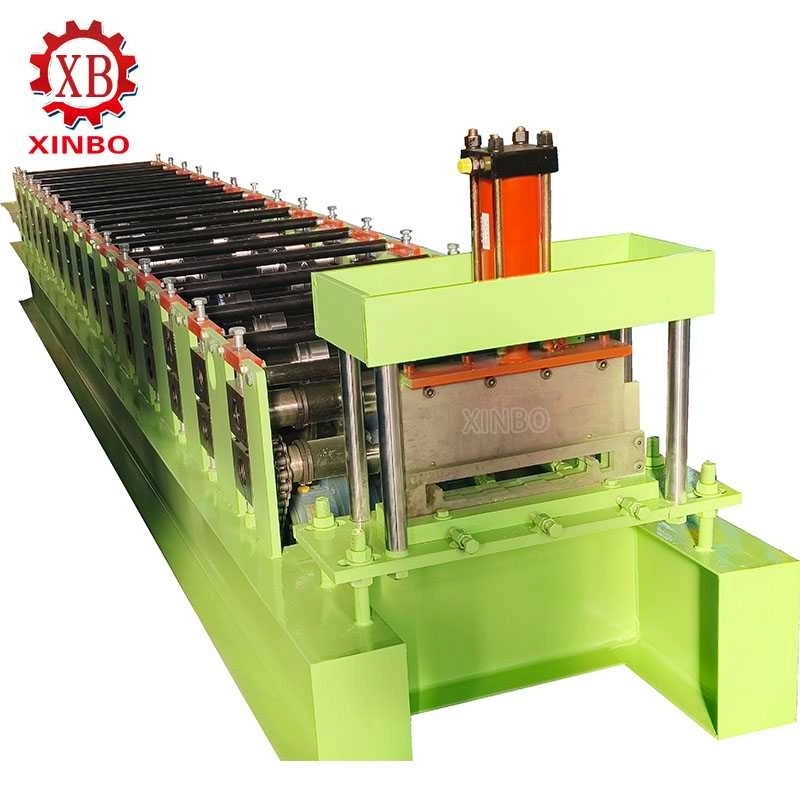
Important forming considerations include:
- Entry alignment:The strip should enter the first station in a stable and centered position.
- Tooling geometry:The rolls must match the required profile drawing and material behavior.
- Station progression:Each station should make a controlled forming adjustment.
- Support and rigidity:The machine frame should remain stable during continuous operation.
- Surface protection:Contact surfaces should be suitable for the material and coating being processed.
The purpose of these controls is not only cosmetic. A visible scratch may indicate excessive contact or an incorrect forming path. A twisted panel may indicate misalignment or uneven forming pressure. These problems can later appear as installation gaps or inconsistent locking.
Cutting and PLC Control
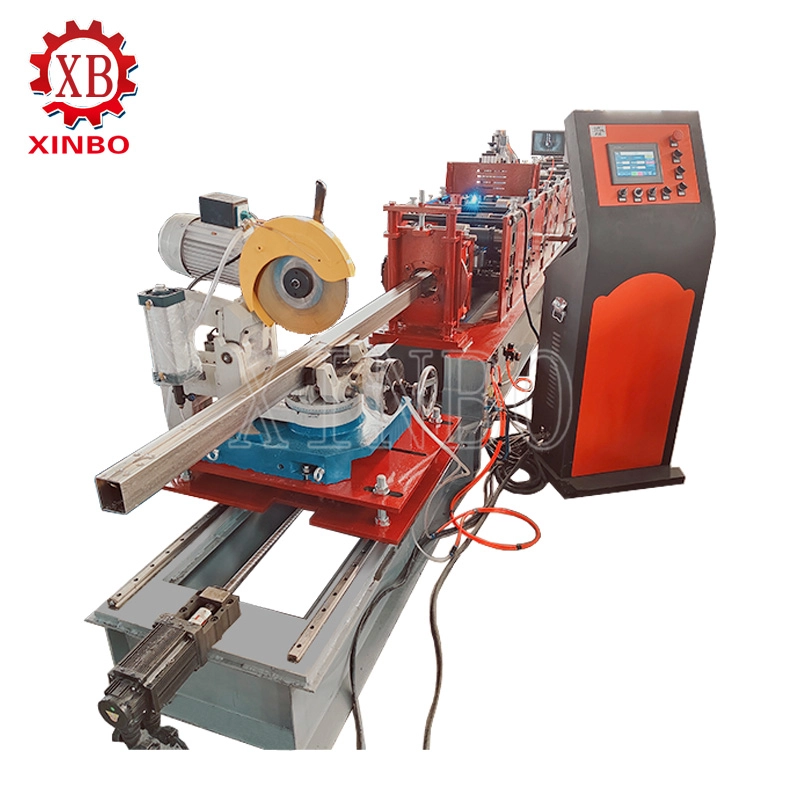
Finished panels often need different lengths for different roofing projects. The cutting unit should therefore be coordinated with the forming line so that the sheet is cut at the required position without deforming the side locks.
A PLC control system can coordinate the forming and cutting sequence and support repeatable length settings. On a configured standing seam roof roll forming machine, PLC and servo control can be used to support accurate cutting and stable operation. The exact control functions depend on the selected configuration and should be confirmed in the technical proposal.
The cutting method should be evaluated carefully. The blade arrangement must suit the panel profile, material, and required cut quality. The cut should not flatten the ribs, open the locking edges, or leave excessive burrs at the panel ends.
Before production begins, the buyer should confirm:
- Whether the machine cuts before or after forming
- How panel length is entered and adjusted
- Whether length tolerance is specified in the quotation
- How the cutting unit handles the clip-lock edge
- Whether sample panels will be checked before shipment
Choosing the Right Machine Configuration
A clip-lock roof panel line should be matched to the manufacturer’s production plan. A business producing one established profile may prioritize a dedicated machine with simple operation and stable repeatability. A manufacturer serving different construction markets may need changeover flexibility and several tooling options.
The following questions help define the correct configuration:
- What is the exact finished panel drawing?
- Which materials will be processed?
- What material thickness range is required?
- What is the target effective cover width?
- Which panel lengths are commonly ordered?
- Is one profile or more than one profile required?
- Is embossing, pre-cutting, punching, or another operation needed?
- What floor space and handling equipment are available?
- Which electrical standard and control language are required?
A machine should not be selected from a product name alone. Two machines described as roof panel roll forming machines may have very different tooling, control systems, cutting arrangements, and profile capabilities. The drawing and material range should remain the basis for the technical decision.
XINBO’s broader roof panel and roll forming machine range can be reviewed when a project includes more than one type of roofing or metal-forming product. For a profile that differs from the standard configuration, the buyer should provide drawings and samples for a fit check.
Quality Checks Before Regular Production
After installation, the first step should be a controlled trial run. The manufacturer should inspect the first panels before starting continuous production. Measurements should be taken at several points along the panel rather than only at the front end.
Useful checks include:
- Overall panel width
- Effective cover width
- Rib height and spacing
- Side-lock dimensions
- Panel straightness
- Cut-length consistency
- Surface condition
- Engagement between two adjacent sample panels
Two panels should be joined in the same way they will be installed on the roof. This helps reveal problems that may not be visible when measuring a single panel. If the edges do not engage smoothly, the cause may be tooling, guide alignment, material springback, or an incorrect drawing interpretation.
Regular checks during production are also important. Coil changes, guide adjustments, tooling wear, and material variation can affect the finished profile. A simple inspection record can help operators identify when the panel begins to move outside the approved sample.
When This Machine Fits a Roofing Business
A clip-lock roof panel roll forming machine is suitable for manufacturers that need in-house production of concealed-fastener roofing panels and want control over profile, length, and production scheduling. It may also suit contractors or regional fabricators that produce panels for specific projects and require different cut lengths.
The equipment is less suitable when the required profile has not been finalized or when the buyer expects one standard machine to produce every roofing design without tooling changes. Profile drawings, material details, and installation requirements should be settled before the machine is engineered.
For related standing seam applications, the standing beam roof panel machine may also be relevant, depending on the required panel geometry and seam design.
Procurement Questions to Ask Before Ordering
Before requesting a quotation, ask the manufacturer to state clearly:
- Which profile drawing is included
- Which materials and thicknesses are supported
- Which operations are included in the line
- How the machine handles different panel lengths
- What controls and electrical components are supplied
- Which trial samples will be produced
- What information is required for final customization
The quotation should connect every major machine function to a specific production requirement. This makes it easier to compare proposals and reduces the risk of receiving a machine that forms a similar-looking panel but does not meet the actual installation dimensions.
استنتاج
The performance of a clip-lock roof panel roll forming machine is determined by the relationship between profile design, material behavior, tooling, alignment, control, and cutting. A reliable purchasing decision begins with a complete drawing and a clearly defined production range. The machine should then be evaluated through sample forming, dimensional inspection, and interlocking tests.
XINBO can review the required profile, material, panel dimensions, and application before recommending a suitable standing seam or clip-lock forming configuration. To request a technical fit check, contact the XINBO technical team with the profile drawing, material information, expected panel sizes, and estimated production requirements.
FAQs
What is a clip-lock roof panel roll forming machine?
It is a forming line used to produce metal roofing panels with concealed fastening and interlocking side edges. The machine progressively forms the panel profile from coil material and cuts panels to specified lengths.
Can the machine produce different panel lengths?
Yes, the cutting system can be configured to cut different lengths according to production requirements. The available length-control method and tolerance should be confirmed for the selected machine.
Which materials can be used?
Common options may include galvanized steel and aluminum, but the compatible material range depends on thickness, strength, coating, and machine configuration. These details should be verified before ordering.
Why is the profile drawing important?
The drawing defines the panel width, rib geometry, side locks, seam dimensions, and other critical features. Without a complete drawing, the tooling and forming sequence cannot be matched accurately to the required roofing system.
What should be tested after installation?
The first panels should be checked for width, rib dimensions, straightness, cut length, surface condition, and side-lock engagement. Adjacent panels should also be assembled to confirm that the finished profile works as intended.
مشاركات ذات صلة
+


 Arabic
  English
  Spanish
  Portuguese
  Russian
  French
  Dutch
Dutch  Turkish
  Swahili
  Serbian
  Romanian