Español
 Rusia
Rusia
Top Benefits of Using a Bus Duct Base Plate Roll Forming Machine
A Bus Duct Base Plate Roll Forming Machine helps electrical equipment manufacturers produce accurate and consistent base plates for bus duct and busway systems. An automatic bus duct base plate roll forming line can connect feeding, forming, punching, and cutting into one smoother production flow. A busway base plate manufacturing machine also helps factories improve output, reduce manual handling, and support stable production for large electrical distribution projects.
Why Bus Duct Base Plates Matter in Busway Production
What a Bus Duct Base Plate Does
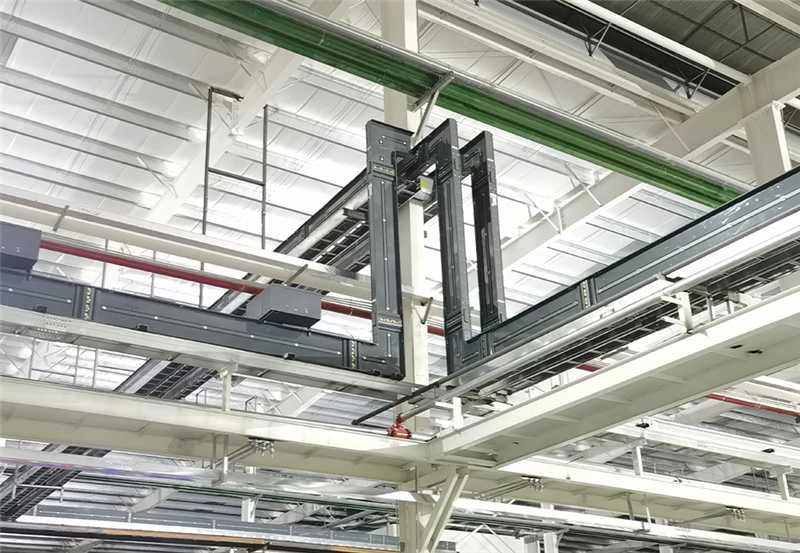
A bus duct base plate supports the structure of the busway housing. A busway system usually works as a prefabricated electrical distribution system with bus bars inside a protective enclosure.
A base plate also helps the enclosure keep its shape during assembly and installation. A stable base plate can improve the fit between the housing, cover, conductor support parts, and connection sections.
Why Base Plate Accuracy Is Important
A bus duct assembly requires stable dimensions because each part must align with the next production step. A small forming error can affect hole positions, edge alignment, or final enclosure fitting.
A consistent base plate can reduce rework during assembly. A precise profile can also help the production team keep batch quality more predictable.
What Is a Bus Duct Base Plate Roll Forming Machine?
How the Roll Forming Process Works
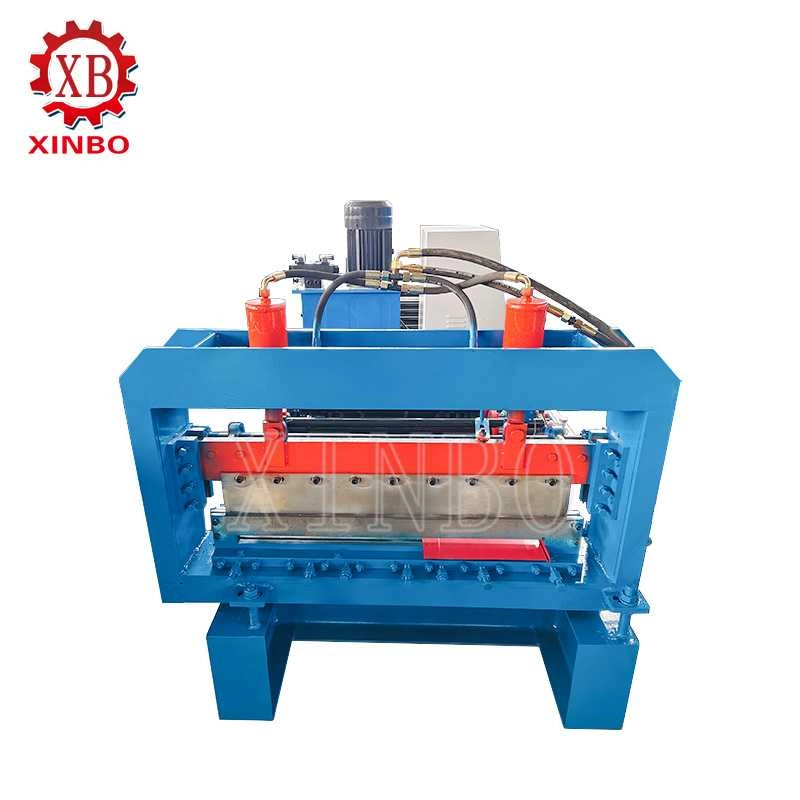
A roll forming machine feeds sheet metal or coil material through several roller stations. Each roller station gradually bends the strip until the required cross-section is formed.
A Bus Duct Base Plate Roll Forming Machine applies this continuous forming method to bus duct base plate profiles. The machine can form long and repeatable metal parts with stable profile shapes.
What an Automatic Line Can Include
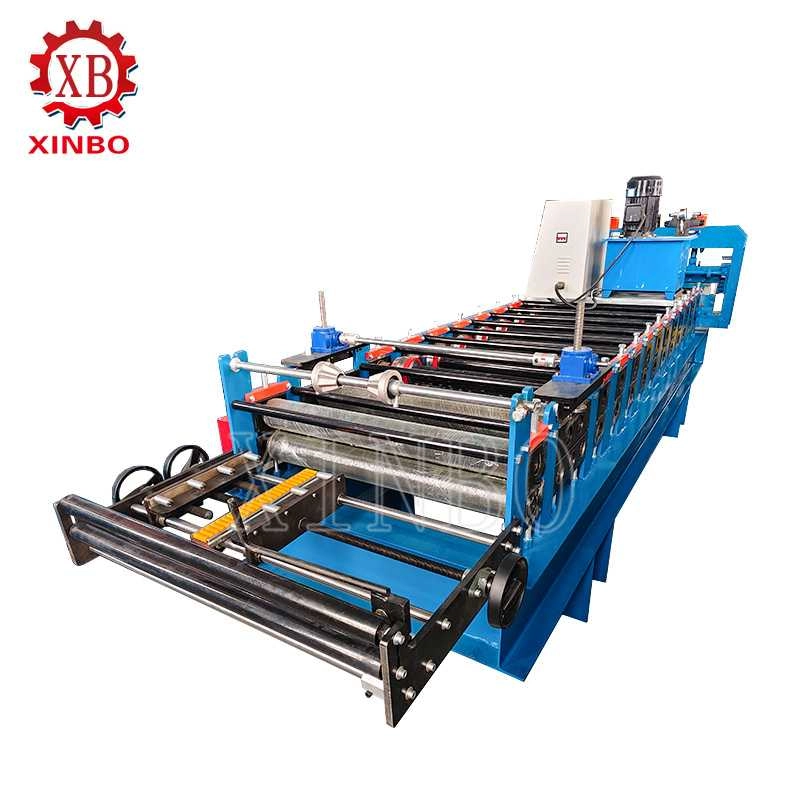
An automatic bus duct base plate roll forming line can include several working sections. The exact configuration depends on the profile drawing, material thickness, hole layout, and production capacity.
Common sections may include:
- The decoiler holds and releases the coil material.
- The leveling unit helps prepare the strip before forming.
- The feeding system moves the material forward.
- The punching unit creates required holes or slots.
- The roll forming stations shape the base plate profile.
- The cutting system cuts the profile to the required length.
- The control system manages length, quantity, and line operation.
Benefit 1: The Machine Improves Production Efficiency
The Machine Supports Continuous Production
A bus duct base plate production line can reduce interruptions between separate cutting, bending, punching, and handling steps. The machine can move material through a more continuous process.
This workflow helps factories produce more base plates in less time. The production team can also plan output more easily when the process becomes more standardized.
The Machine Reduces Manual Handling
Traditional base plate fabrication may require workers to move parts between multiple machines or workstations. This repeated handling can slow production and increase the chance of dimensional variation.
A roll forming line can reduce unnecessary transfer inside the workshop. The line can also help workers focus more on loading, monitoring, inspection, and assembly preparation.
Benefit 2: The Machine Improves Dimensional Accuracy
Gradual Forming Helps Control the Profile
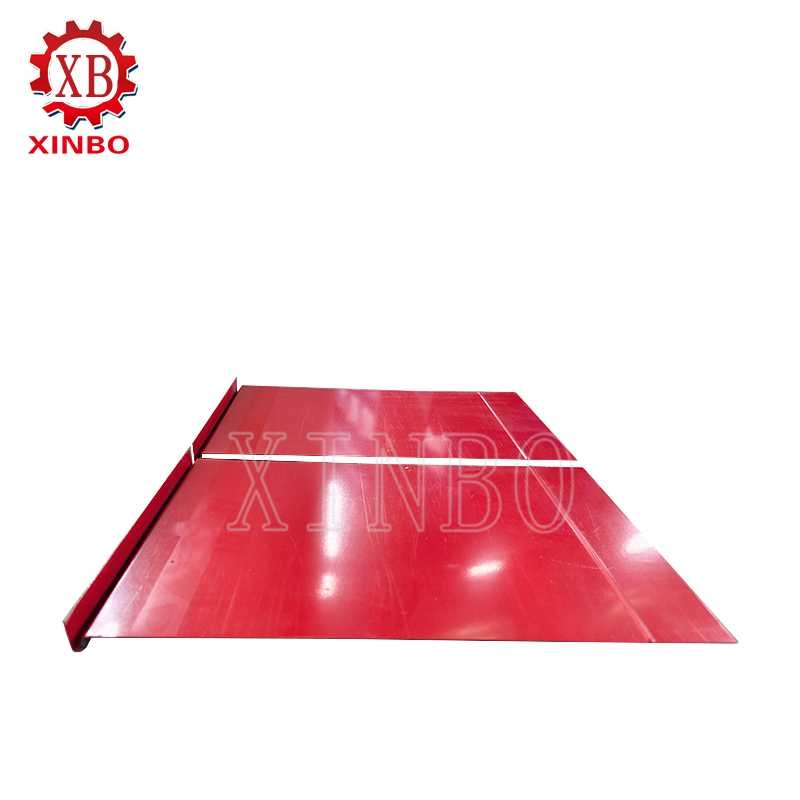
Roll forming uses consecutive roller stations to create incremental bends. This gradual forming method can support tighter dimensional control for long and complex sections.
A stable forming process helps the base plate keep a consistent width, edge shape, and section depth. A consistent profile is especially important when the base plate must match other bus duct enclosure parts.
Accurate Base Plates Improve Assembly
A busway base plate manufacturing machine helps manufacturers produce repeatable profiles across large batches. This consistency can reduce fitting problems during later assembly.
A precise machine setup can support:
- The profile width that matches the drawing.
- The formed edges that fit the enclosure design.
- The hole positions that support assembly alignment.
- The cutting length that meets project requirements.
Benefit 3: The Machine Helps Lower Labor Input
Automation Reduces Repeated Manual Work
A roll forming line can combine several production actions into one controlled workflow. This automation can reduce dependence on repeated manual measuring, bending, transferring, and cutting.
The machine does not remove the need for skilled operators. The machine helps the production team use labor more efficiently.
The Control System Makes Production Easier
A control system can help operators manage production quantity, cutting length, and line running status. This setup can reduce repeated manual adjustment during batch production.
A smaller team can support larger output when the process becomes more automated. This advantage is useful for factories that need higher capacity without adding many manual steps.
Benefit 4: The Machine Reduces Material Waste
Accurate Feeding and Cutting Help Control Scrap
Material cost is an important part of sheet metal production. A roll forming line can help reduce waste by improving feeding accuracy and cutting consistency.
Accurate length control can reduce off-size parts. Stable forming can also reduce defective profiles caused by inconsistent manual bending.
Repeatable Quality Protects Production Cost
A consistent process can reduce common production problems. These problems may include uneven edge forming, wrong profile depth, misaligned holes, inaccurate cutting length, and unstable profile width.
A lower scrap rate can improve the factory’s cost structure. A more predictable process can also support more competitive project pricing.
Benefit 5: The Machine Supports Integrated Punching and Cutting
In-Line Processing Can Reduce Secondary Work
Roll forming lines can be configured with punching, slotting, notching, embossing, and cutting functions when the product design requires these operations.
This integrated process can reduce secondary handling after forming. The finished base plate can move more directly to inspection or assembly.
Integrated Cutting Improves Workflow
The cutting system can cut the formed profile to the required length. This process helps the factory produce finished parts with a clearer production sequence.
A controlled production line can also make batch tracking easier. The team can plan quantity, length, profile design, and inspection steps with better consistency.
Benefit 6: The Machine Supports Custom Bus Duct Base Plate Requirements
Different Busway Designs Need Different Profiles
Different bus duct products may require different base plate widths, edge shapes, hole positions, and material thicknesses. A custom bus duct base plate roll forming machine should match the buyer’s real product drawing.
The buyer should prepare key technical details before requesting a solution. The information should include:
- The base plate profile drawing.
- The material type and thickness.
- The coil width or sheet width.
- The punching layout and hole positions.
- The required cutting length range.
- The target production capacity.
- The workshop layout and voltage requirements.
Custom Design Helps Match Real Production
A customized line can match the factory’s product structure and production flow. The machine design should follow the actual base plate profile, not a generic assumption.
This approach helps the buyer get a more practical solution. The production team can also reduce adjustment time after installation.
How to Choose the Right Bus Duct Base Plate Roll Forming Machine
Buyers Should Confirm Technical Requirements First
A buyer should start with the product drawing. The drawing should define the profile shape, tolerance requirement, hole layout, and finished length.
A buyer should also confirm the material thickness and expected output. These details can affect roller design, punching method, cutting structure, and machine layout.
Buyers Should Evaluate the Automation Level
An automatic bus duct base plate roll forming line is suitable for factories that need stable output and lower manual handling. A higher automation level can support larger order volumes and more predictable production schedules.
A buyer should also review supplier experience in custom roll forming design. A strong supplier should understand profile drawings, forming requirements, production testing, and shipment preparation.
Preguntas frecuentes
What is a Bus Duct Base Plate Roll Forming Machine?
A Bus Duct Base Plate Roll Forming Machine forms sheet metal into bus duct base plate profiles through multiple roller stations.
Why should a factory use an automatic bus duct base plate roll forming line?
A factory should use an automatic line when it needs higher output, better consistency, lower manual handling, and smoother production flow.
What information should buyers provide before requesting a quotation?
A buyer should provide the profile drawing, material thickness, coil width, hole layout, cutting length, voltage, and production capacity requirement.
Can the machine be customized for different busway base plate profiles?
A supplier can customize the machine when the buyer provides clear drawings, material data, and production requirements.
XINBO is a China-based metal shaping machine and roll forming machine manufacturer established in 2014, and XINBO provides ODM and OEM services, customized machine design, product categories for roll forming and sheet metal processing, quality inspection before shipment, and contact support through its website. Buyers can contact XINBO to discuss a customized Bus Duct Base Plate Roll Forming Machine based on profile drawings, material specifications, punching requirements, and production capacity goals.
Publicaciones relacionadas

Buena calidad
XinBo máquina que hace CO. LTD es un fabricante profesional y exportador en la máquina de formación de rollos,
Ver más→


 Spanish
  English
  Portuguese
  Arabic
  Russian
  French
  Dutch
Dutch  Turkish
  Swahili
  Serbian
  Romanian