Español
 Rusia
Rusia
How a Soft Film Light Box Aluminum Profile Bending Machine Improves Frame Accuracy
A soft film light box frame must be attractive, stable, and accurately assembled. If the aluminum profile is bent incorrectly, the finished frame may have uneven curves, visible gaps, poor film tension, or alignment problems during installation.
For this reason, many display manufacturers use a dedicated soft film light box aluminum profile bending machine to improve production consistency. The machine helps control the bending process and reduces the variation commonly associated with manual forming.
For companies producing advertising light boxes, retail displays, exhibition structures, and architectural illuminated frames, frame accuracy directly affects product quality. The following sections explain how a dedicated bending machine can support more reliable results.
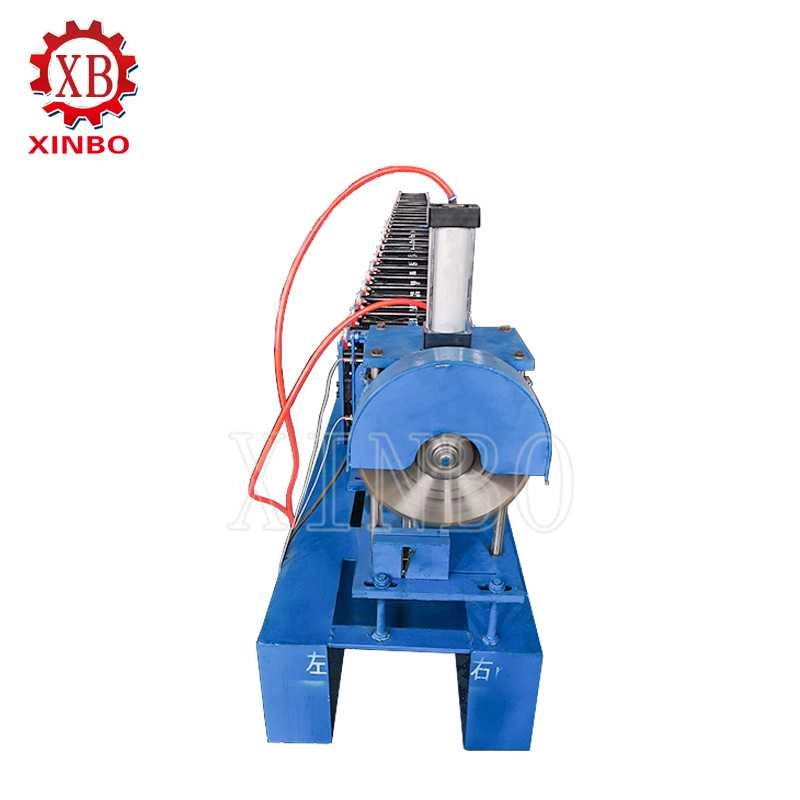
1. Controlled bending helps maintain the designed curve
The curved shape of a soft film light box frame is determined by the required radius and overall design. If the aluminum profile is bent too tightly or too loosely, the finished frame may not match the original drawing.
Manual bending can make it difficult to maintain the same radius across multiple workpieces. Operators may apply different levels of force or adjust the profile based on visual judgment. This can create variations between individual frame sections.
A dedicated aluminum profile bending machine applies forming force in a more controlled manner. The profile can be positioned, guided, and bent according to a defined process. This improves the chance of achieving a consistent curve throughout the production batch.
The actual result depends on the profile design, aluminum alloy, wall thickness, tooling, and machine settings. For this reason, manufacturers should test representative samples before confirming mass production parameters.
2. Repeatable positioning improves batch consistency
A soft film light box project may require dozens or hundreds of aluminum profiles with similar dimensions. Even a small difference between profiles can create assembly problems when they are connected into a complete frame.
Machine-based bending improves repeatability by standardizing several important steps:
- Profile placement
- Starting position
- Bending direction
- Forming sequence
- Pressure application
- Final stopping position
When these conditions remain consistent, operators can produce more uniform workpieces. This is especially useful for companies that manufacture standard light box sizes or repeat orders for the same customer.
Consistent positioning also makes production easier to manage across different shifts. Operators can follow the same setup procedure instead of relying entirely on personal experience. This can reduce quality differences between batches.
3. Accurate radius control improves frame assembly
The radius of each curved section affects how the complete frame is assembled. If one section has a different radius from the others, the joints may not align correctly.
Poor radius control can lead to:
- Uneven corner transitions
- Gaps between frame sections
- Misaligned connection points
- Irregular outer dimensions
- Uneven soft film tension
- Additional adjustment during installation
A suitable profile bending solution for light box production can help manufacturers create more predictable curved sections. When the geometry is consistent, assembly workers spend less time forcing components into position or correcting dimensional differences.
For large-format light boxes, this advantage becomes even more important. A small deviation may be difficult to notice on a small frame, but it can become clearly visible across a large illuminated display.
4. Proper profile support protects critical dimensions
Aluminum profiles for soft film light boxes may include grooves, channels, cavities, or thin-wall sections. These features are important because they may hold the soft film, connect with other frame parts, or support internal components.
During bending, unsupported areas can deform. Possible problems include:
- Collapsed profile sections
- Distorted film-retaining grooves
- Surface pressure marks
- Twisting along the profile
- Changes in the frame width
A dedicated machine can be configured with suitable contact points and tooling for the profile cross-section. This helps distribute forming force more evenly and reduces the risk of damaging important areas.
Before selecting equipment, buyers should provide the supplier with profile drawings or samples. The supplier can then evaluate the profile shape, required radius, forming direction, and appropriate tooling arrangement.
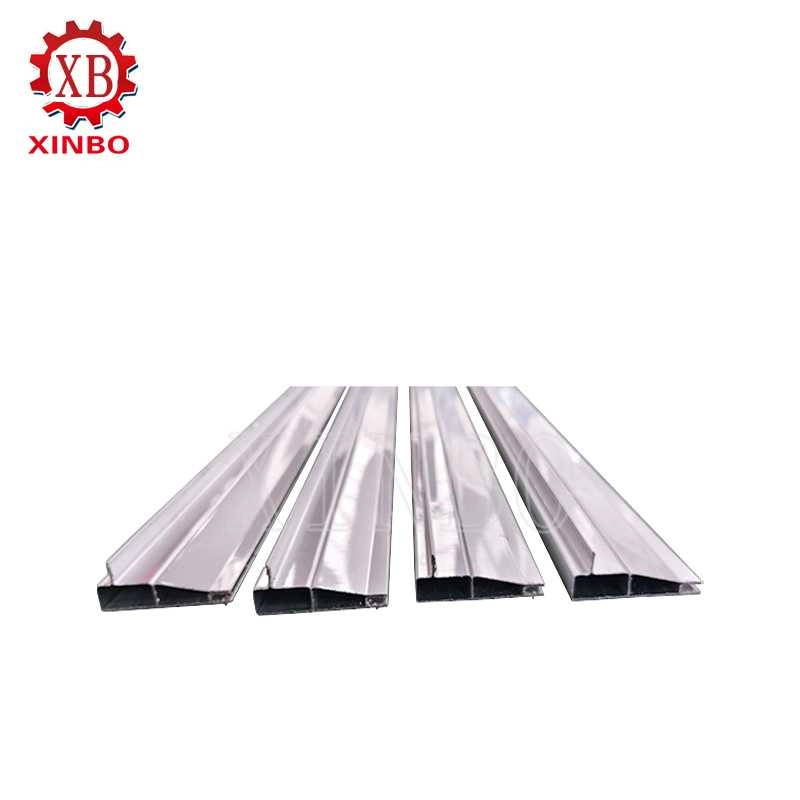
5. More stable forming improves soft film tension
The soft film is installed after the aluminum frame has been formed and assembled. Its appearance depends partly on the accuracy of the supporting frame.
If the frame is not symmetrical, the film may be pulled unevenly. This can create wrinkles, waves, or visible differences in tension across the illuminated surface.
Accurate profile bending helps create a more stable foundation for film installation. When the frame sections follow the intended dimensions, installers can achieve more consistent tension around the perimeter.
This is important for displays used in retail stores, shopping centers, airports, exhibition booths, hotels, and commercial interiors. In these environments, customers often view the light box from a short distance, making surface irregularities easy to notice.
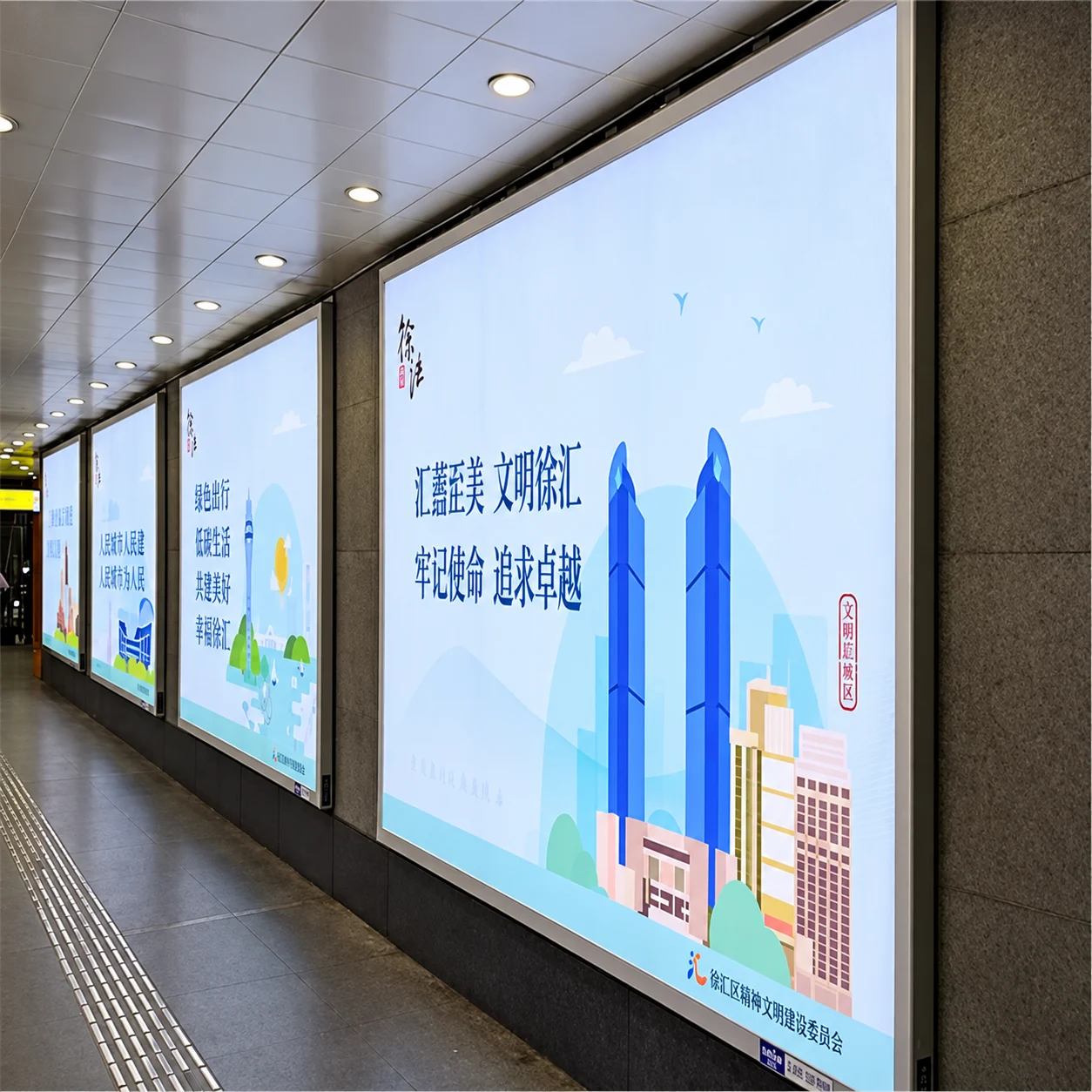
6. Machine bending reduces operator-dependent variation
Manual bending depends heavily on the operator’s experience and physical control. Skilled workers may produce good results, but the process can still vary because of fatigue, different working habits, or changes in material properties.
A machine-based process helps reduce this variation. Operators can use documented setup parameters and repeatable work procedures. This does not remove the need for training, but it makes the process easier to standardize.
For manufacturers considering XINBO aluminum processing equipment, the evaluation should include more than the machine’s maximum bending capability. Buyers should also consider setup convenience, tooling changes, operator training, sample testing, and after-sales support.
7. Better accuracy reduces rework and material waste
Incorrect bending can create costs throughout the production process. A defective profile may need to be corrected, cut again, or replaced. If the error is discovered only after assembly, labor and installation costs may also increase.
Common sources of rework include:
- Incorrect curvature
- Mismatched frame sections
- Damaged visible surfaces
- Misaligned connection points
- Inconsistent outer dimensions
- Uneven film installation
A controlled bending process allows manufacturers to inspect initial samples before continuing with a full batch. Measuring the radius, length, width, and connection points at this stage can help identify problems early.
The actual savings depend on production volume, material cost, labor rates, and the quality of the existing manual process. However, reducing rejected profiles and repeated adjustments is an important benefit when evaluating bending equipment.
8. What buyers should check before purchasing
Not every aluminum profile bending machine is suitable for soft film light box production. Buyers should compare the machine with the actual profile and frame design.
Important questions include:
- What profile sizes and cross-sections can the machine process?
- What aluminum alloys and wall thicknesses are suitable?
- What is the minimum practical bending radius?
- Can the machine protect visible profile surfaces?
- How is lateral movement controlled during forming?
- How quickly can tooling be changed?
- Can the supplier perform sample testing?
- How is dimensional repeatability verified?
- What operator training is included?
- Are maintenance support and replacement components available?
The supplier should receive the profile drawing, target radius, frame dimensions, production quantity, and finished-product requirements. This information supports a more accurate technical recommendation.
Manufacturers can also review the XINBO company information before discussing a customized project. A supplier with relevant forming experience should be able to explain the machine configuration, testing process, and expected production limitations.
Conclusión
A soft film light box aluminum profile bending machine improves frame accuracy by making the forming process more controlled, repeatable, and easier to standardize. It can help maintain the required radius, protect profile grooves, improve frame assembly, and support more even soft film tension.
However, machine selection should always be based on the actual aluminum profile and finished frame design. Tooling, material properties, operator training, inspection methods, and sample testing all affect the final result.
Manufacturers planning a new light box production line or upgrading from manual bending can contact XINBO for a project evaluation. Providing profile drawings and application details will help the supplier recommend a more suitable bending solution.
Publicaciones relacionadas
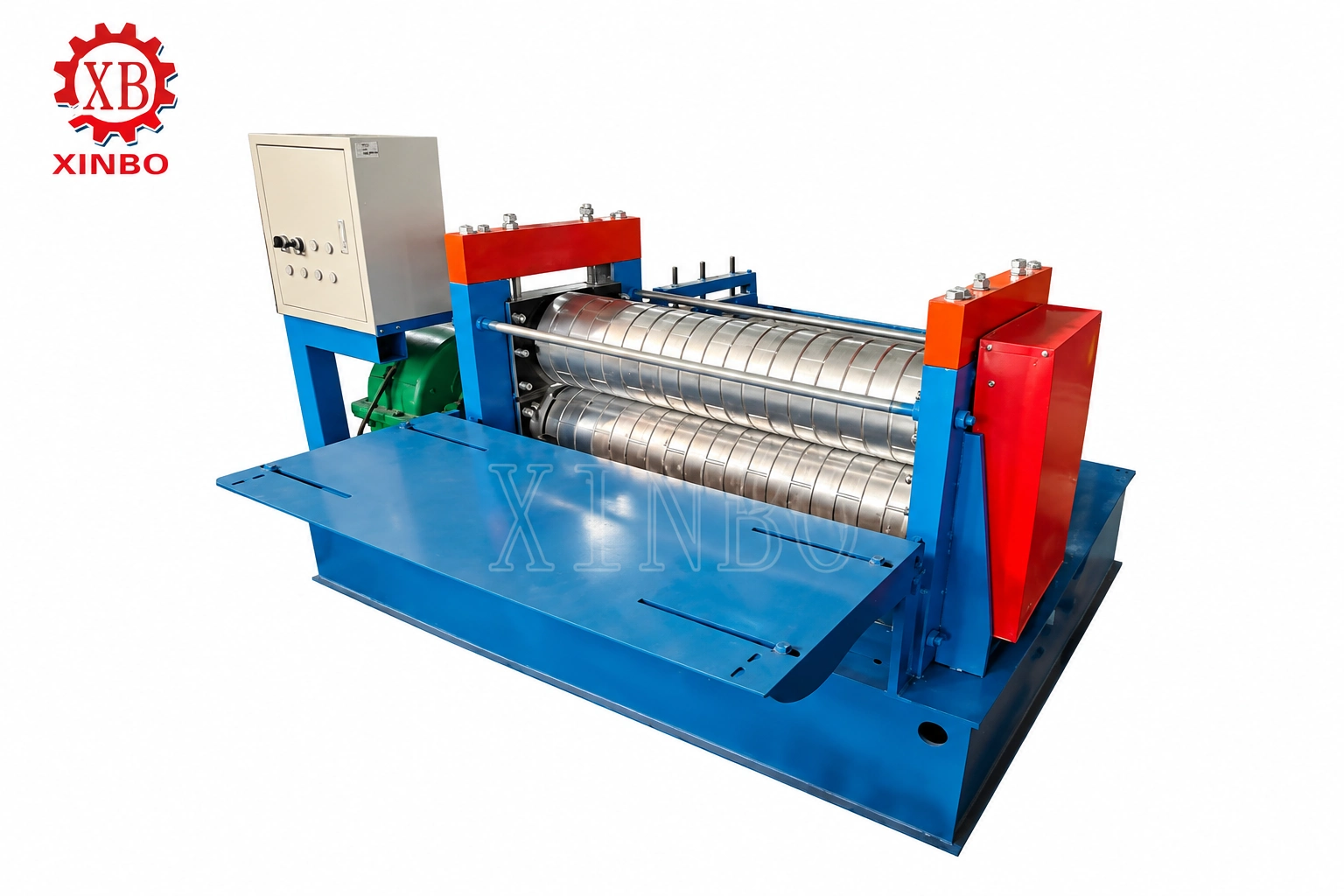

Buena calidad
XinBo máquina que hace CO. LTD es un fabricante profesional y exportador en la máquina de formación de rollos,
Ver más→


 Spanish
  English
  Portuguese
  Arabic
  Russian
  French
  Dutch
Dutch  Turkish
  Swahili
  Serbian
  Romanian