Spaans
 Rusland
Automatic Changeover Standing Seam Roof Panel Roll Forming Machine: How to Cut Setup Downtime
For roofing manufacturers, setup time is often a hidden production cost. Every manual adjustment between panel widths or standing seam profiles can interrupt material flow, require repeated measurements, and increase the risk of alignment errors. An automatic changeover standing seam roof panel roll forming machine addresses this problem by allowing operators to switch between configured sizes with fewer manual interventions.
The goal is not simply to run the line faster. It is to make changeovers more predictable while maintaining consistent panel geometry. For manufacturers producing several standing seam specifications, this can improve scheduling flexibility, reduce scrap during startup, and make short or mixed production orders easier to manage.
What an Automatic Changeover Machine Does
A standing seam roof panel roll forming machine shapes flat metal coil into panels with raised interlocking seams. The line normally includes a decoiler, material guiding and feeding components, roll forming stations, cutting equipment, and an output area.
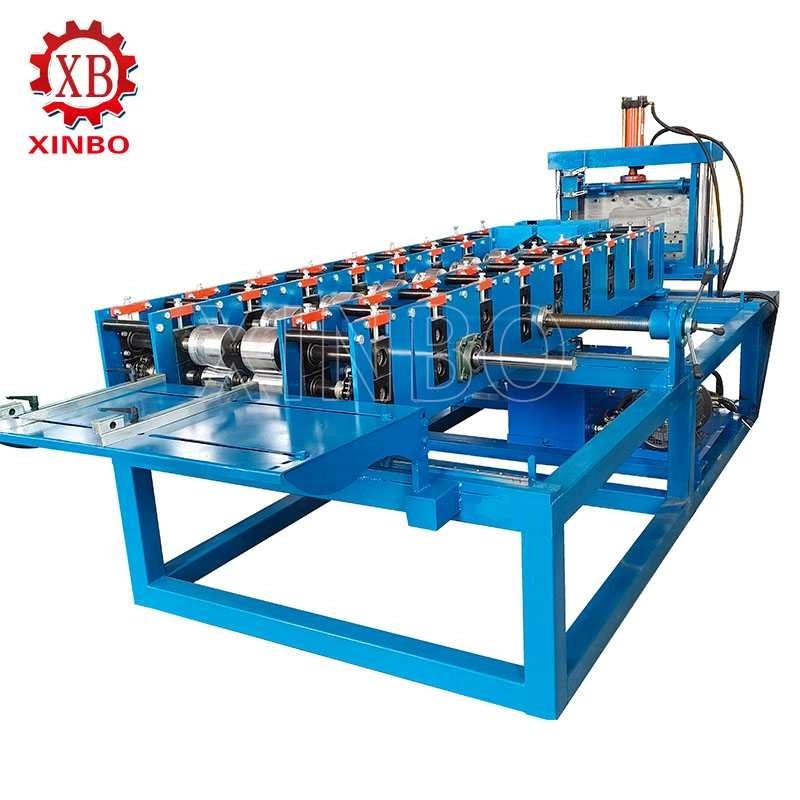
In a conventional fixed-profile line, changing the panel width or profile may require manual repositioning, tooling replacement, or extensive trial production. An automatic changeover configuration is designed to adjust selected forming and guiding positions according to a stored or entered setup. The exact adjustment method depends on the machine design, panel geometry, material, and customer drawings.
On XINBO’s automatic change-size standing beam machine, the production flow is organized around decoiling, input, forming, cutting, and finished panels. The manufacturer also states that the line can be customized according to customer requirements and drawings. Buyers should verify the available size range, profile combinations, adjustment method, and control functions against the final technical proposal.
For a general overview of the product category, manufacturers can review the standing seam roll forming machine range before comparing a specific automatic changeover configuration.
Why Setup Downtime Matters in Standing Seam Production
Setup downtime includes more than the minutes spent changing tools. It can also include coil removal, guide adjustment, test forming, measurement, correction, and the disposal of nonconforming startup panels.
This becomes important when a roofing plant serves different contractors, building types, or regional profile preferences. A production schedule may include several panel widths in one shift rather than one long run of the same specification. In that situation, a machine that reduces repeated manual adjustments can support a more responsive workflow.
The main operational benefits may include:
- Less time spent repositioning guides and forming components.
- Faster transition between approved panel configurations.
- Lower startup scrap when settings are repeatable.
- Easier planning for mixed-size or smaller production batches.
- Reduced dependence on manual measurements during every changeover.
- Better visibility of the production sequence for operators and supervisors.
These benefits are conditional. The actual improvement depends on the number of profiles, the quality of the setup documentation, operator training, coil characteristics, and how much of the changeover is automated.
How the Changeover Process Should Be Evaluated
An automatic label alone does not explain how a machine will perform in daily production. Buyers should examine the complete changeover sequence.
1. Confirm the profile and width range
Begin with a clear list of the standing seam profiles the plant expects to produce. Include finished panel width, seam height, seam style, material type, thickness range, and any special edge or clip requirements.
A machine may be able to change width within a defined range while still requiring separate tooling for substantially different profiles. The supplier should identify which dimensions are adjustable and which require mechanical replacement.
2. Check how settings are entered
Ask whether the operator selects a stored recipe, enters dimensions through a control interface, or adjusts each station manually. A recipe-based process can improve repeatability, but only when the initial settings have been tested and documented.
The control system should also make it clear which values are being changed. Ambiguous screens or incomplete setup records can reduce the practical value of automatic adjustment.
3. Review guide and forming-station movement
The material must remain centered and properly supported as it passes through the forming stations. A changeover system may adjust side guides, shafts, tooling positions, or other components, depending on the design.
The important question is whether the machine can make these movements while preserving alignment. Buyers should request a demonstration using their own drawings or representative profiles whenever possible.
4. Understand cutting coordination
The cutting unit must match the selected panel length and profile. If the line changes size but the cut sequence is not correctly coordinated, operators may still need additional correction before shipment.
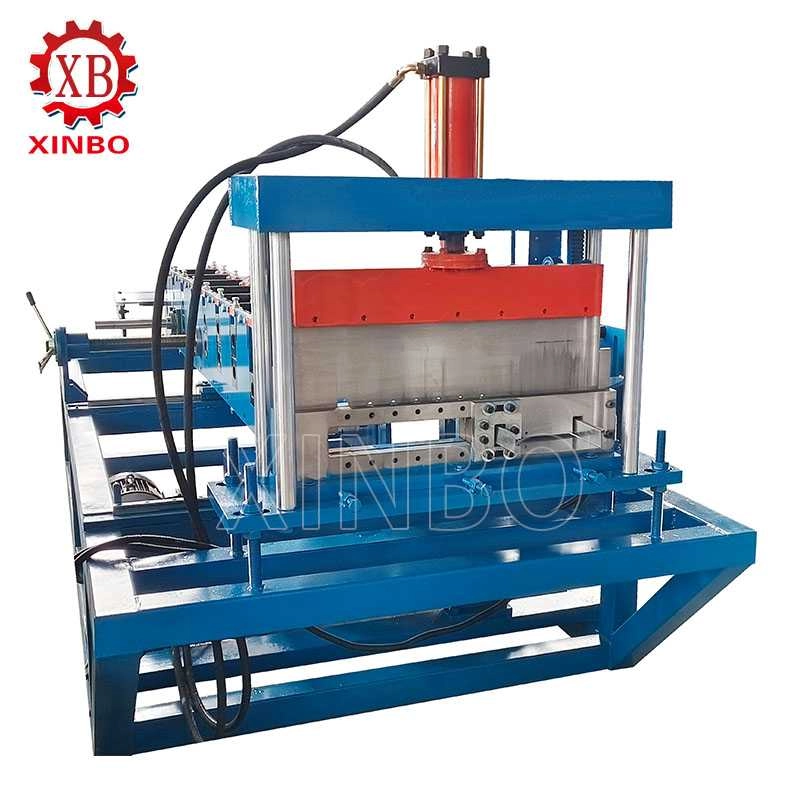
Confirm how length data is entered, how cutting is synchronized with line movement, and whether the finished panel remains stable during the cutting cycle. Exact cutting performance should be verified against the proposed configuration.
Material and Panel Quality Considerations
Automatic changeover reduces setup work, but it does not remove the need for material control. Galvanized steel, prepainted steel, aluminum, and other sheet materials can behave differently during forming. Thickness, yield strength, coating condition, coil camber, and surface protection can all affect the result.
Before production, confirm:
- Coil width and thickness limits.
- Material grade and coating requirements.
- Acceptable variation in incoming coil.
- Required panel tolerances.
- Seam dimensions and interlocking requirements.
- Protection of painted or coated surfaces.
- Packaging and handling requirements after forming.
A stable line should produce panels with consistent width, straightness, seam shape, and cut length. If defects appear after a changeover, the troubleshooting process should start with coil quality, guide centering, forming-station alignment, and the selected setup values.
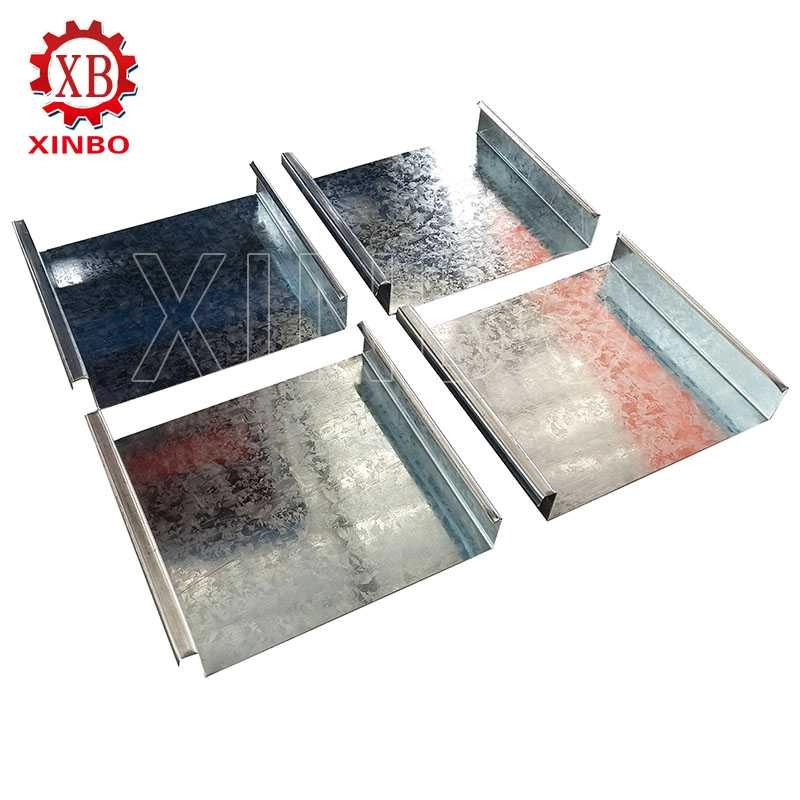
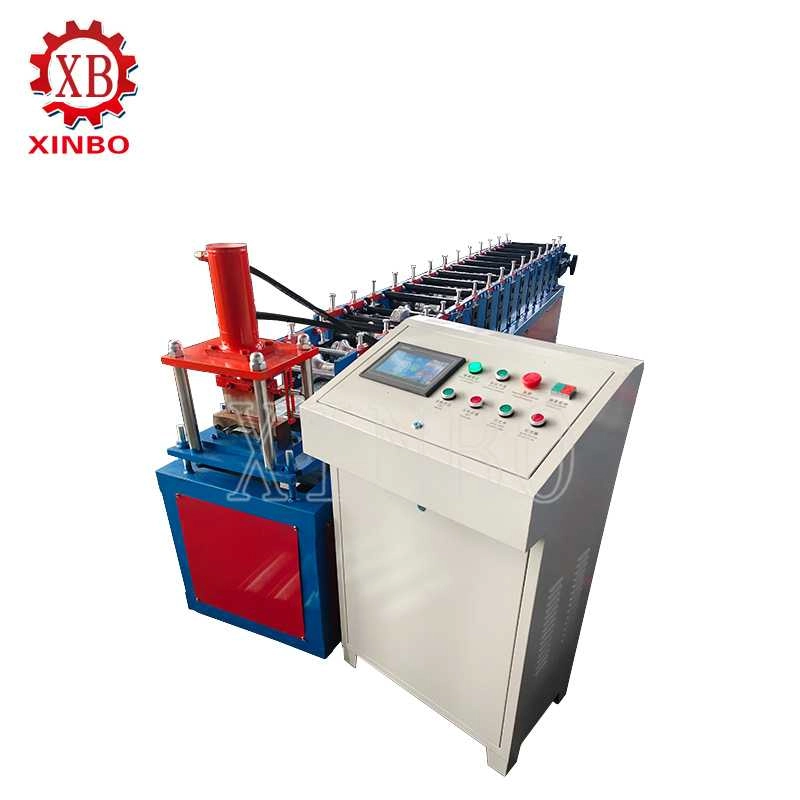
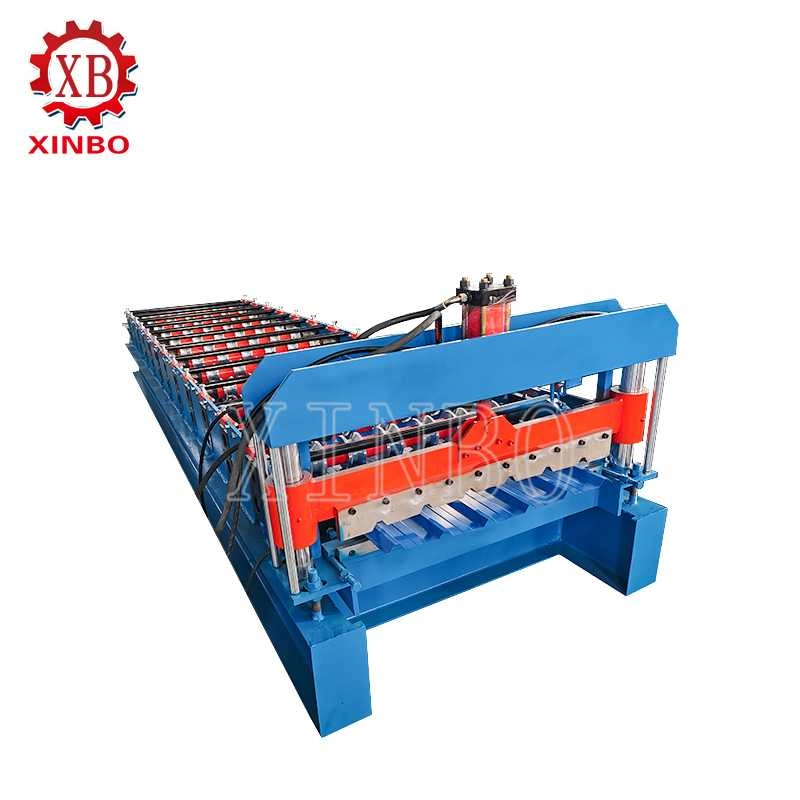
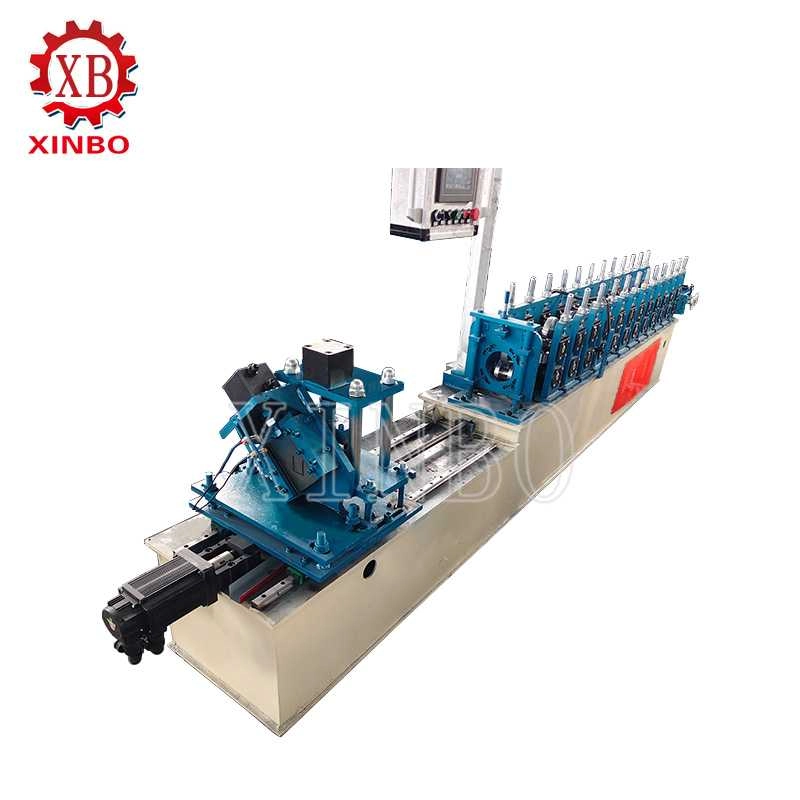
The machine images supplied for this article show the forming line, its hydraulic cutting section, and finished standing seam-style panels. They illustrate why the relationship between feeding, forming, cutting, and output handling should be evaluated as one production system rather than as separate components.
Where Automatic Changeover Adds the Most Value
This type of equipment can be useful for roofing manufacturers that produce several related standing seam products. It may also suit contract manufacturers handling customer-specific drawings or plants that need to alternate between standard and customized panel dimensions.
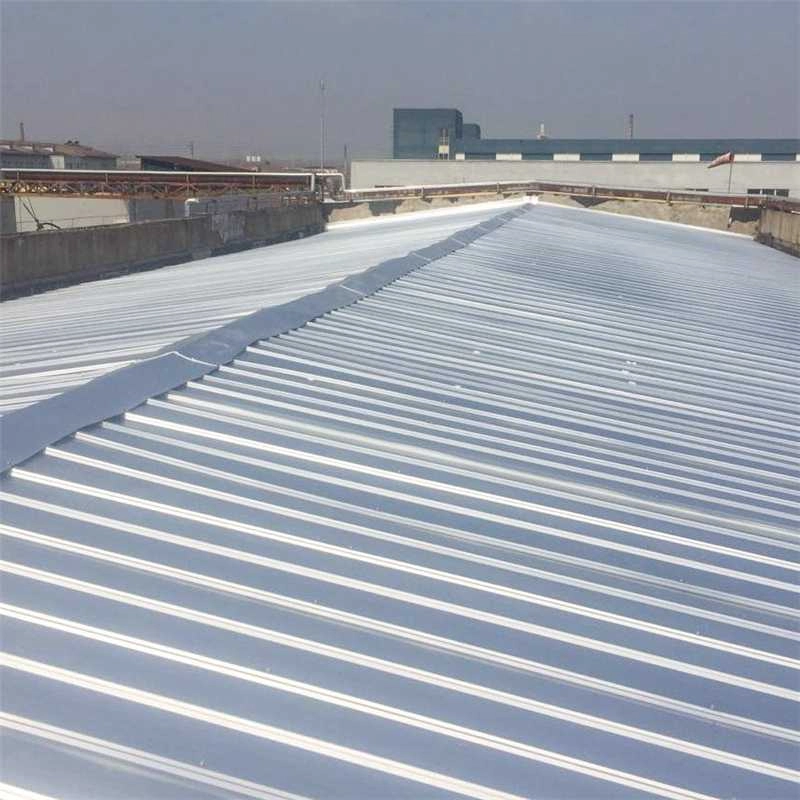
Typical use cases include:
- Roofing plants serving multiple construction markets.
- Coil-processing companies producing panels for different installers.
- Manufacturers handling short production runs.
- Factories adding new profiles without installing a separate line for every size.
- Businesses that need a repeatable process for custom orders.
Automatic changeover is less valuable when a factory produces one profile continuously for long runs and rarely changes dimensions. In that situation, a fixed-profile machine may offer a simpler production arrangement. The correct choice depends on order mix, floor space, labor availability, and the number of profiles required.
Procurement Checklist for a Changeover Line
Before requesting a quotation, prepare the information needed for a meaningful technical review. A supplier cannot confirm suitability from the phrase “automatic standing seam machine” alone.
Provide:
- Profile drawings with critical seam and edge dimensions.
- Required finished panel widths and lengths.
- Coil material, thickness, and maximum coil weight.
- Expected production mix and changeover frequency.
- Required level of automation.
- Factory power and installation conditions.
- Available floor space and material-handling equipment.
- Inspection, packaging, and downstream handling requirements.
Ask the supplier to separate confirmed functions from optional features. The quotation should identify the included decoiler, forming arrangement, cutting method, control system, safety provisions, and commissioning scope. It should also explain which profile changes are automatic and which require operator intervention.
XINBO presents its change-size standing beam machine as a customizable line based on customer needs and drawings. That makes the drawing-review stage especially important. A technical team should confirm the profile range, adjustment limits, material compatibility, and acceptance criteria before the order is finalized.
For broader roof panel production planning, the roof and wall panel roll forming machine category can help buyers compare related line configurations.
Conclusie
An automatic changeover standing seam roof panel roll forming machine can reduce the disruption caused by frequent size and profile changes. Its value comes from repeatable setup logic, coordinated guiding and forming, controlled cutting, and clear operator procedures—not from the automatic label alone.
The best evaluation method is to match the machine against real drawings, materials, panel sizes, and production schedules. When the line is correctly configured, it can help roofing manufacturers handle mixed orders with less setup waste and more predictable planning. When requirements are unclear, the risk of misalignment, unsuitable tooling, or unexpected manual work remains.
FAQs
What is an automatic changeover standing seam roof panel machine?
It is a roll forming line designed to adjust selected settings for different panel sizes or configurations with reduced manual intervention. The available adjustment range depends on the machine design and profile requirements.
Can one machine produce every standing seam profile?
Not necessarily. Some related widths may be adjustable, while substantially different profiles can require separate tooling or additional forming components. The supplier should confirm this from profile drawings.
Does automatic changeover eliminate startup scrap?
No. It may reduce trial material when settings are repeatable, but startup scrap still depends on coil quality, alignment, tooling, operator procedures, and the accuracy of the setup data.
What information should be sent for a quotation?
Send profile drawings, panel widths and lengths, material and thickness, coil details, production volume, changeover frequency, and factory installation conditions.
Is a changeover machine suitable for a single-profile factory?
It may be more automation than necessary if the plant rarely changes sizes. A fixed-profile line may be more appropriate, depending on production volume and future expansion plans.
To discuss a suitable XINBO configuration, contact the technical team with your profile drawings, material details, target dimensions, expected quantities, and changeover requirements.
Gerelateerde berichten

Goede kwaliteit
XinBo-machine die CO. LTD maakt is een professionele fabrikant en exporteur in rolvormende machine,
Bekijk meer→


 Dutch
Dutch  English
  Spanish
  Portuguese
  Arabic
  Russian
  French
  Turkish
  Swahili
  Serbian
  Romanian