spaniolă
 Rusia
Rusia
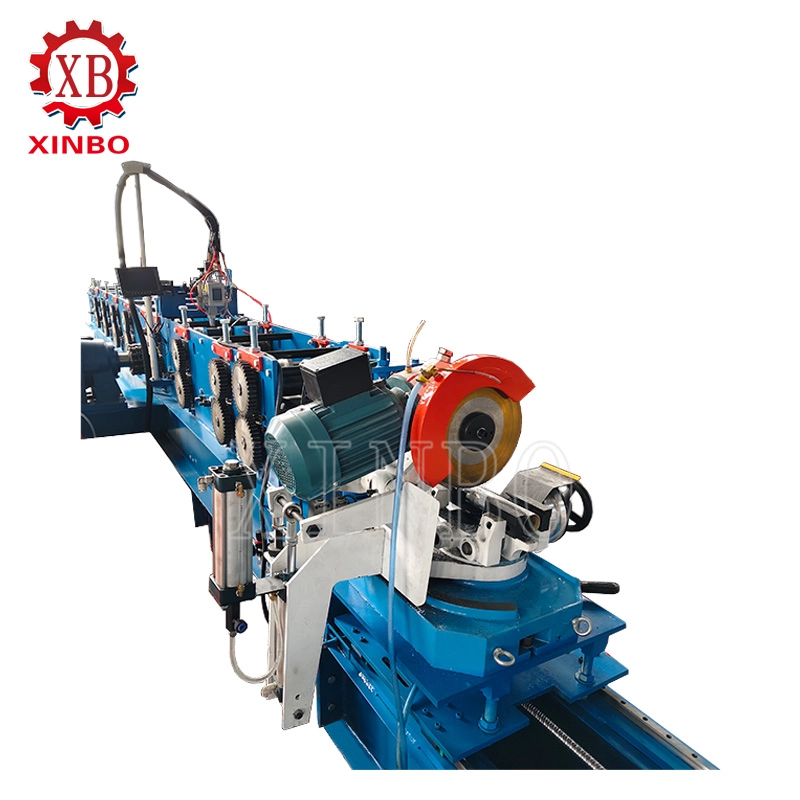
Vertical-Horizontal Hydraulic Roof Sheet Curving Machine for Steel Arch Buildings
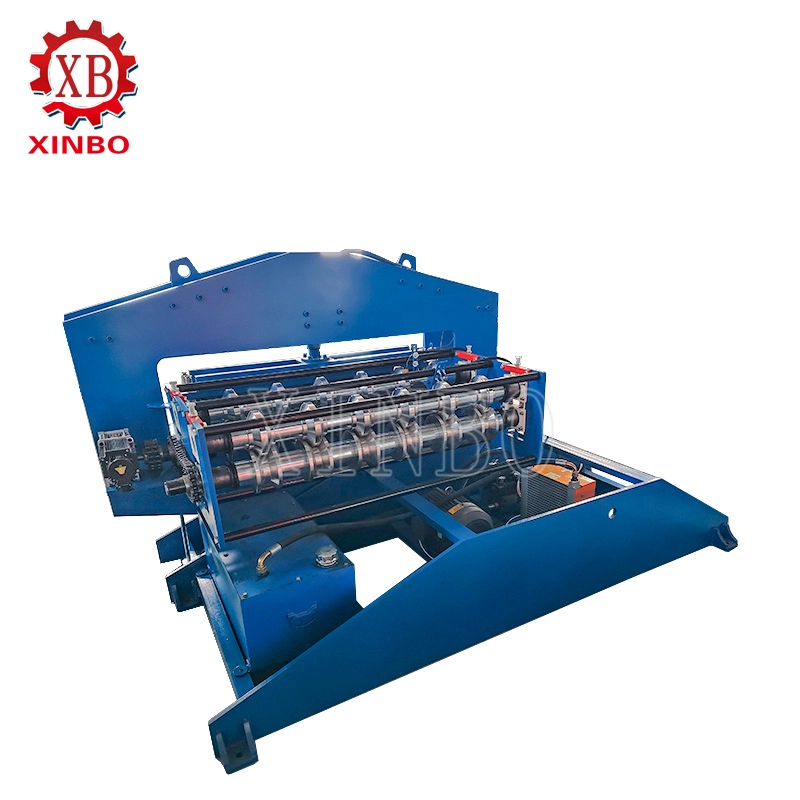
The Vertical-Horizontal Hydraulic Roof Sheet Curving Machine works as a key tool for contractors and steel structure manufacturers. They need accurate arch shapes. This hydraulic arch roof curving machine handles pre-formed color steel tiles and corrugated panels. It uses vertical crimping and horizontal crimping. Builders get precise curvature for steel arch buildings. The process does not damage the protective coating on PPGI sheets. The dual-direction operation supports large-span no-girder roofs. These roofs can reach spans of 30-40 meters or more. Vertical and Horizontal Roof Panel Crimping Machine technology gives precise control over bending radii and angles. Operators feed straight roof panels into the machine. Then hydraulic systems apply controlled pressure through specialized rollers. This action changes flat or pre-profiled sheets into smooth arched forms. The forms suit self-supporting structures.
What Is a Vertical-Horizontal Hydraulic Roof Sheet Curving Machine?
A Vertical-Horizontal Hydraulic Roof Sheet Curving Machine bends already roll-formed roof panels. It creates arched profiles suitable for steel arch buildings. The equipment mixes hydraulic power with adjustable rollers. It performs both vertical and horizontal operations on the same unit. This design differs from single-direction crimpers. It handles complex curvatures in one setup.
The machine works well with common materials like PPGI, galvanized steel, and color-coated sheets. Typical panel thicknesses range from 0.3 mm to 0.8 mm. Builders use the machine in factory settings or on construction sites. They create curved roofing sheets for warehouses, factories, and agricultural halls.
Key Features of the Hydraulic Arch Roof Curving Machine
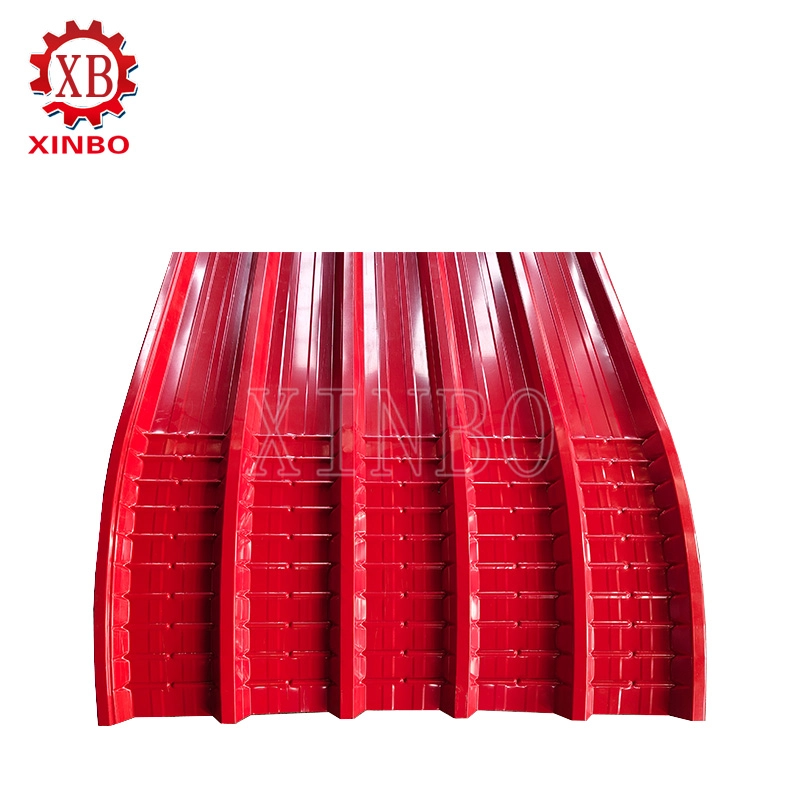
The hydraulic arch roof curving machine offers several important features. These features improve efficiency and quality. Hydraulic drive delivers consistent force across the entire panel. This force creates uniform bending. Adjustable bending angles and radii let operators set precise curvatures. They set them according to project requirements.
Dual vertical-horizontal capability provides flexibility for different arch geometries. The system includes mechanisms that protect the color coating from scratches or cracks during the bending process. Sturdy roller designs handle various panel widths. They keep surface integrity at the same time.
Technical Specifications: Roller Design, Hydraulic System, and Curving Radius
Technical specifications of the Vertical-Horizontal Hydraulic Roof Sheet Curving Machine support reliable performance across demanding applications. Rollers usually consist of high-grade steel with hard chrome coating. This gives durability and smooth operation. Shaft diameters often measure around 70 mm or more. They receive quenching treatment to resist wear.
The hydraulic system provides stable pressure. It is typically powered by motors in the 3-7.5 kW range. The range depends on model capacity. Operators can achieve minimum curving radii as low as 450 mm to several meters. They use adjustable controls for fine tuning. Applicable sheet thicknesses commonly cover 0.3-0.8 mm. Panel widths match standard roll-formed profiles up to 1200 mm.
Production speeds range from 0-10 m/min. The speeds depend on settings and material. Control systems often include PLC options. These options allow automated operation and repeatable results. These parameters enable precise control for different arch heights and spans. They maintain panel integrity and coating protection.
How Does a Vertical and Horizontal Hydraulic Curving Machine Work?
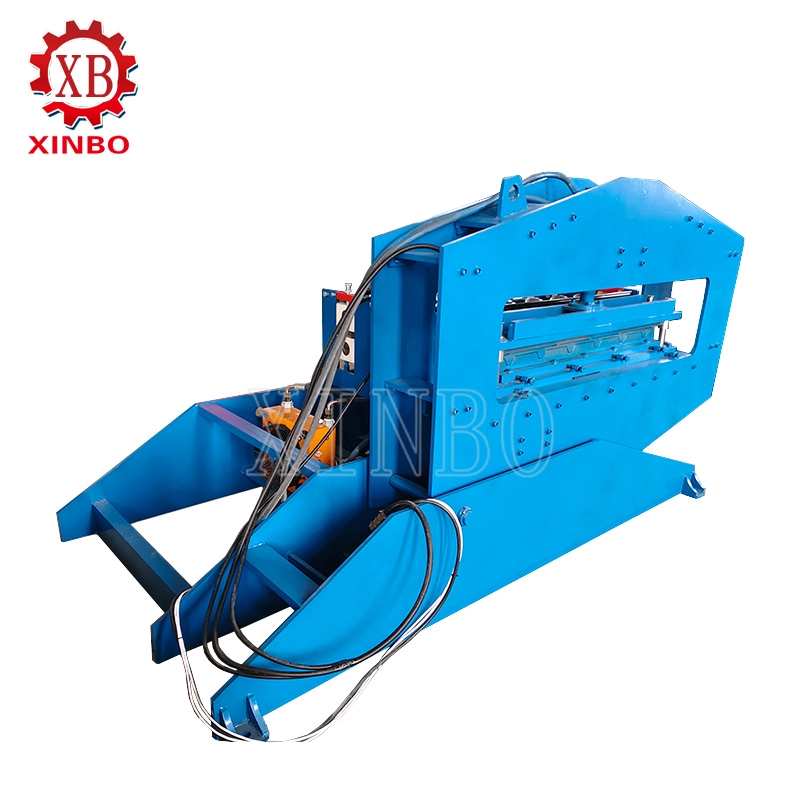
A vertical and horizontal hydraulic curving machine operates in a clear way. Operators feed straight roof panels into a set of powered rollers. Hydraulic cylinders apply controlled pressure. They form the sheet into the desired curve gradually. The system distributes force evenly. This prevents localized stress or deformation.
Operators first set the target radius and angle through the control interface. The machine then advances the panel step by step or continuously. The rollers crimp the profile at the same time. Dual-direction capability allows switching between modes. It needs no major reconfiguration.
The hydraulic system delivers even force. This reduces material fatigue. Calibrated settings help avoid over-bending or surface damage. This process ensures consistent results. It works whether producing gentle arches for large warehouses or tighter curves for specialized structures.
Difference Between Vertical Crimping and Horizontal Crimping for Arch Roofs
Vertical crimping and horizontal crimping serve distinct yet complementary roles in arch roof production. Vertical crimping creates the main upward arch curvature along the panel length. This mode establishes the primary structural height and load-bearing shape for the roof.
Horizontal crimping adjusts side-to-side or circumferential bends. It helps with better panel alignment in large-span assemblies. This operation refines the fit between adjacent sheets. It also accommodates variations in overall geometry.
The two modes work together in no-girder designs. Vertical action handles the dominant radius. Horizontal action provides fine adjustments. Dual capability on one machine reduces the need for separate equipment. It streamlines workflow on job sites.
Step-by-Step Operation of the Hydraulic Roof Panel Bending Machine
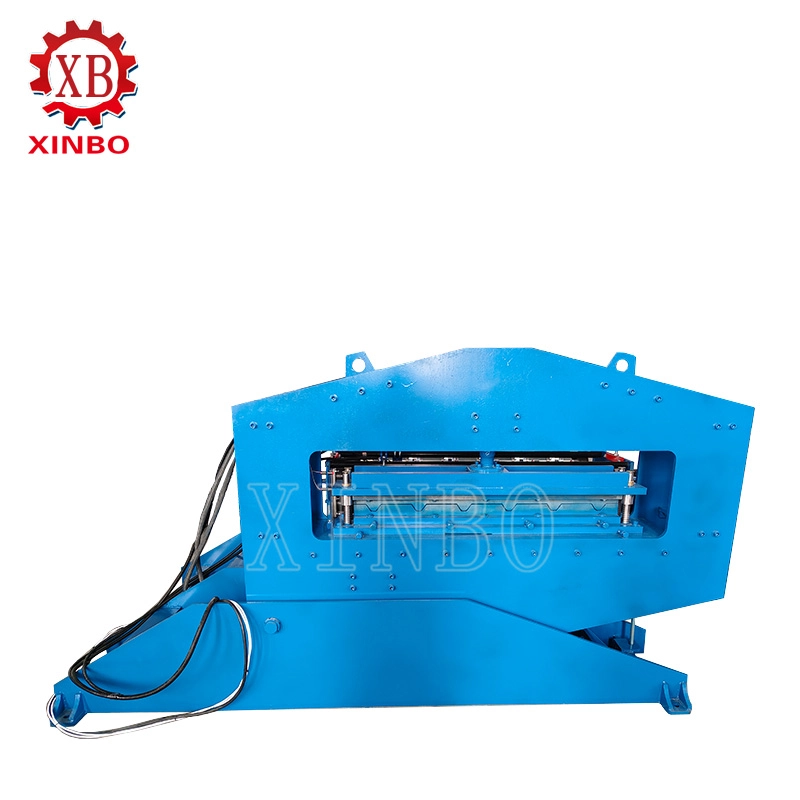
Operators follow a clear sequence when they use the hydraulic roof panel bending machine.
- They prepare the panel by inspecting it for defects. They also ensure correct dimensions from the roll forming process.
- They set the desired radius and angle on the control system. They do this according to project drawings.
- They position the sheet securely in the feeding area. They align it with the rollers.
- They activate the hydraulic cycle to perform the crimping. They monitor pressure and movement during this step.
- They inspect the curved panel for uniformity, surface quality, and dimensional accuracy.
- They repeat the process or make minor adjustments for the next panel.
Each step includes basic safety checks. These checks cover verifying hydraulic levels and confirming roller alignment. Quality verification at the end helps maintain high standards for the finished arch components.
Applications in Steel Arch Buildings and No-Girder Arch Roofs
The Vertical-Horizontal Hydraulic Roof Sheet Curving Machine plays a central role in steel arch buildings and no-girder arch roofs. These structures feature column-free interiors. They maximize usable space in warehouses, factories, hangars, and agricultural buildings. Curved panels interlock to form self-supporting shells. These shells eliminate traditional beams and trusses.
The machine enables on-site or factory production of arched sheets. The sheets create strong, durable enclosures. Projects benefit from reduced material use, lower foundation requirements, and accelerated construction timelines. Precise curving ensures tight seams and excellent weather resistance. This supports long-term performance.
Building Large Span Arch Warehouses with Curved Roofing Sheets
Large span arch warehouses rely on curved roofing sheets. These sheets come from the hydraulic curving machine. Operators curve panels to form wide, open interiors. The interiors can exceed 30 meters without internal supports. This design speeds up erection. Crews assemble pre-curved sections quickly on prepared foundations.
Benefits include faster project completion, reduced steel consumption, and clear floor space for storage or production lines. Precise curving from the machine ensures consistent radii. These radii promote structural stability under wind, snow, and other loads. Many warehouses handling heavy equipment or bulk materials choose this approach. It offers cost-effectiveness and durability.
Curving Machine for K-Span Arch Roof Structures
K-span arch roof structures use the curving machine. It produces interlocking arched panels. These panels form complete self-supporting buildings. The process typically integrates with roll forming lines. The lines first create the corrugated profile. Then the crimping stage adds the necessary curvature.
The hydraulic arch roof curving machine supports the radii required for K-span geometries. Finished panels join through seaming tools. They create sealed, beamless roofs. This system suits quick-deployment projects in industrial, agricultural, or emergency settings. Rapid construction and clear spans matter most in these settings.
Why Choose Vertical-Horizontal Dual Direction Curving for Arch Buildings?
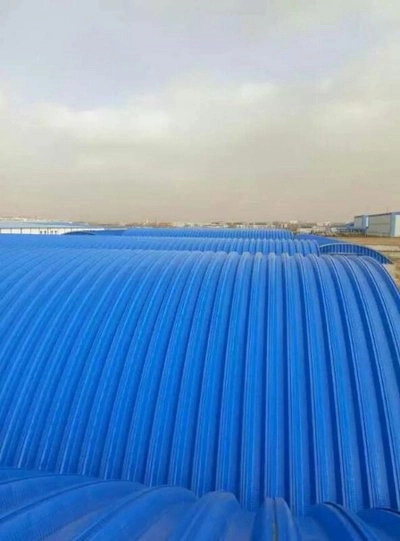
Vertical-horizontal dual direction curving provides unique value for arch building projects. The single machine handles both primary arch formation and fine lateral adjustments. It needs no additional setups. This capability reduces overall production time. It also minimizes material waste from misaligned panels.
Dual operation improves fit during final assembly of large-span roofs. Builders achieve tighter tolerances. These tolerances enhance structural performance and weatherproofing. The feature directly contributes to cost savings and higher-quality outcomes in complex steel arch construction.
Precision Curving Without Damaging Color Coating on PPGI Sheets
Precision curving on PPGI sheets requires careful control. The goal is to preserve the protective color coating. The Vertical-Horizontal Hydraulic Roof Sheet Curving Machine uses polished rollers and regulated hydraulic pressure. These minimize surface contact stress. Operators select appropriate radii and speeds. They avoid cracking or peeling.
Proper settings maintain the aesthetic appeal and corrosion resistance of the finished roof. This protection matters for buildings exposed to harsh weather. Intact coatings extend service life significantly. Many projects specify PPGI materials precisely because the machine can process them. It does so without compromising long-term durability.
Contact XINBO for Your Vertical-Horizontal Hydraulic Roof Sheet Curving Machine Needs
XINBO în is a professional manufacturer based in Botou industry park, Cangzhou city, Hebei Province, China. The company specializes in metal shaping and roll forming machines since 2014. The company offers high-quality curving machines with custom design options, competitive pricing, and reliable after-sales support. These help builders create efficient steel arch structures. atinge via email at serena@cnxinbo.net for detailed specifications, quotations, or tailored solutions for your next arch roof project.
Întrebări frecvente
What is the main function of a Vertical-Horizontal Hydraulic Roof Sheet Curving Machine?
This machine performs both vertical and horizontal crimping on pre-formed roof panels. It creates precise arches for steel buildings.
Can the machine process PPGI sheets without damaging the coating?
Yes, the hydraulic system and roller design apply controlled pressure. This protects the color coating during bending.
What spans can steel arch buildings achieve with curved panels from this machine?
Projects often reach 30-40 meters or more in clear span. The span depends on panel thickness and design.
Posturi legate

Bună calitate
XinBo mașină de fabricare CO. LTD este un producător profesionist și exportator în rula de formare mașină,
Vezi mai multe→


 Romanian
  English
  Spanish
  Portuguese
  Arabic
  Russian
  French
  Dutch
Dutch  Turkish
  Swahili
  Serbian