Испанский
 Россия
Top Benefits of Using a Roll Shutter Door Forming Machine in Modern Production
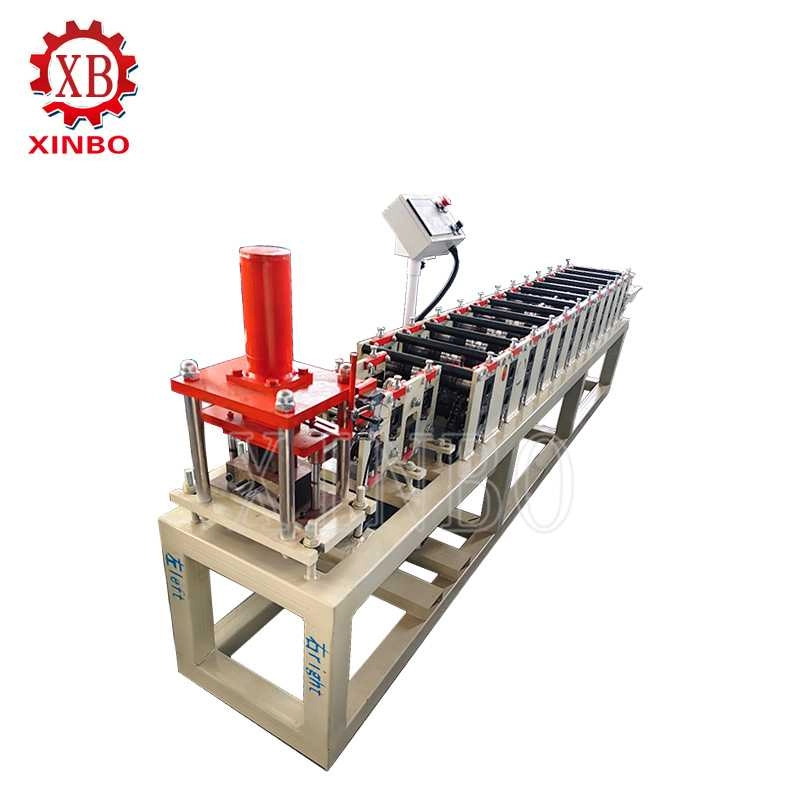
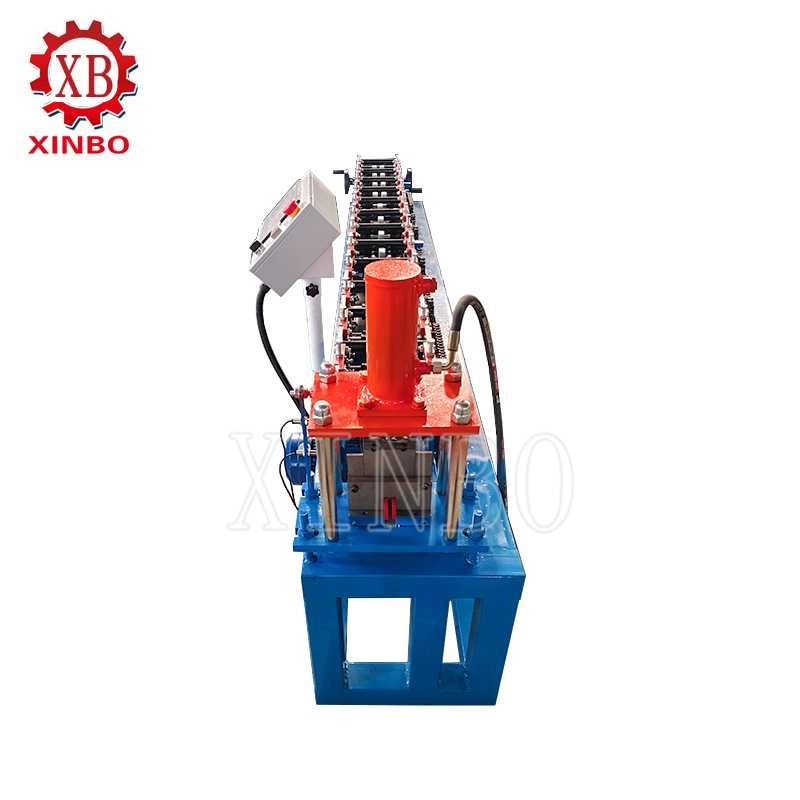
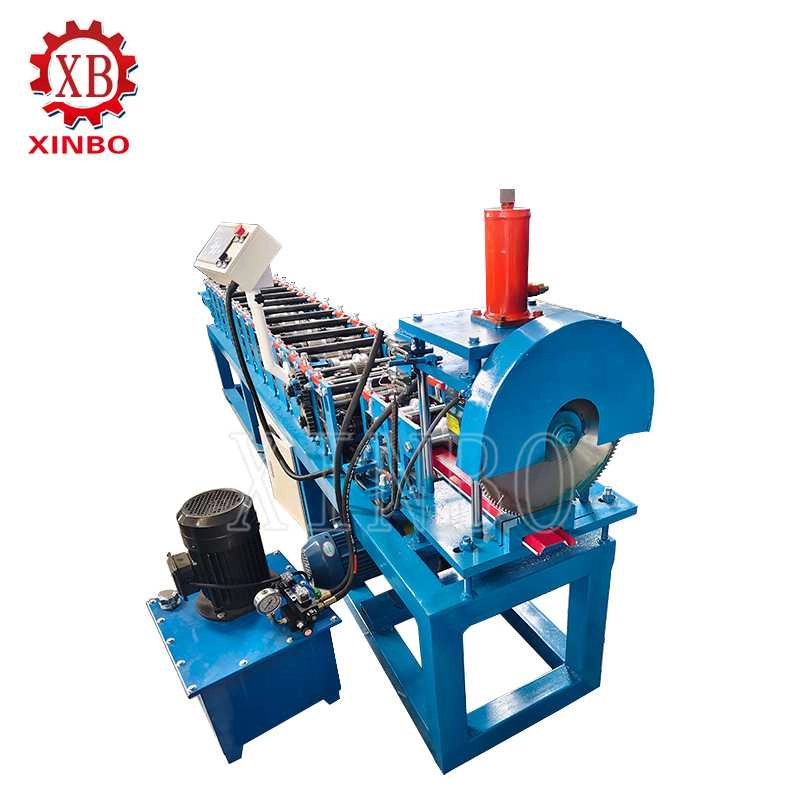
A roll shutter door forming machine converts coiled metal into accurately shaped shutter slats through continuous feeding, progressive forming, length measurement, and cutting. The main benefits of a roll shutter door forming machine include higher output, consistent profiles, less manual handling, and better material control. An automatic roller shutter production line can also combine punching, embossing, and cutting within one coordinated workflow.
What Is a Roll Shutter Door Forming Machine?
A roll shutter door forming machine feeds a flat metal strip through successive pairs of rollers. Each station bends the strip incrementally until the required shutter slat cross-section is complete.
Roll forming suits long products with constant cross-sections and high-volume production. The process can combine coil feeding, forming, punching, embossing, and cut-to-length operations on one line.
Which Materials and Profiles Can the Machine Process?
A manufacturer can configure the machine for galvanized steel, pre-painted galvanized steel, and other suitable coils. Available configurations can produce plain slats, perforated slats, embossed panels, wider panels, and guide channels.
The profile drawing and material specification determine the tooling arrangement.
How Does an Automatic Roller Shutter Production Line Work?
An automatic roller shutter production line follows a coordinated sequence:
- The decoiler releases the coil.
- The feeding unit guides the strip.
- The roller stations form the profile.
- The optional unit adds punching or embossing.
- The encoder measures the required length.
- The cutting unit separates the slat.
- The run-out table supports collection.
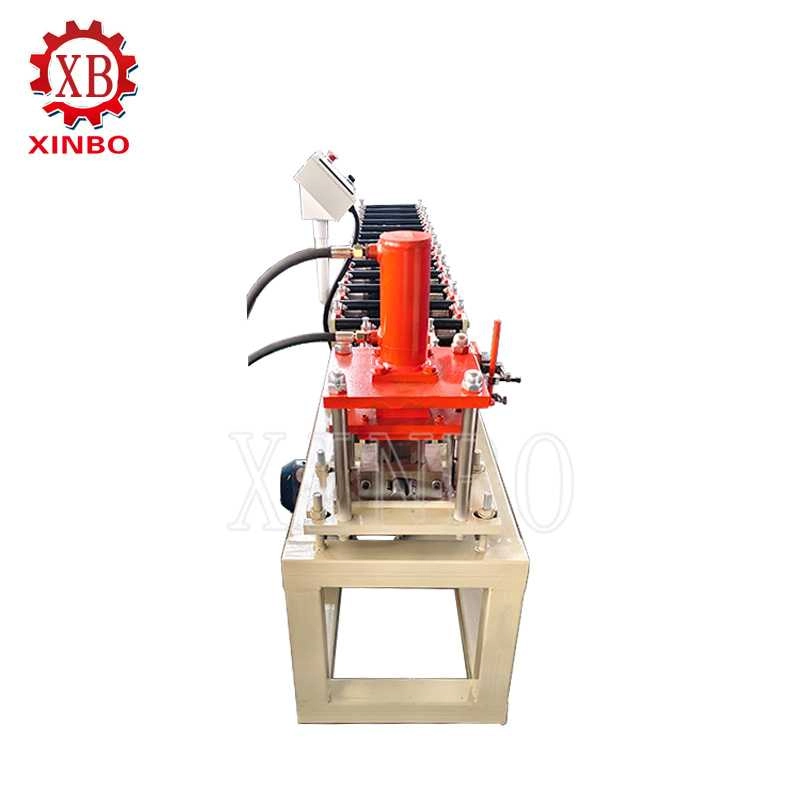
A PLC system can manage length, quantity, and cutting commands from one interface. Current shutter-machine configurations can include encoder measurement, hydraulic profile cutting, PLC control, and touchscreen operation.
Higher Output Is a Major Benefit
Continuous coil feeding removes many repeated loading, positioning, and bending steps. The machine keeps the strip moving while the control system coordinates measurement and cutting.
Actual output depends on profile complexity, material thickness, punching, cutting, and collection. A buyer should compare accepted slats per shift instead of maximum line speed alone.
Integrated Operations Increase Throughput
Inline punching, embossing, measuring, and cutting can reduce transfers, waiting time, and work-in-progress material.
Stable settings remain important because line velocity, roller spacing, roller gap, and roller diameter can influence strains and final dimensional accuracy.
Consistent Slat Dimensions Improve Quality
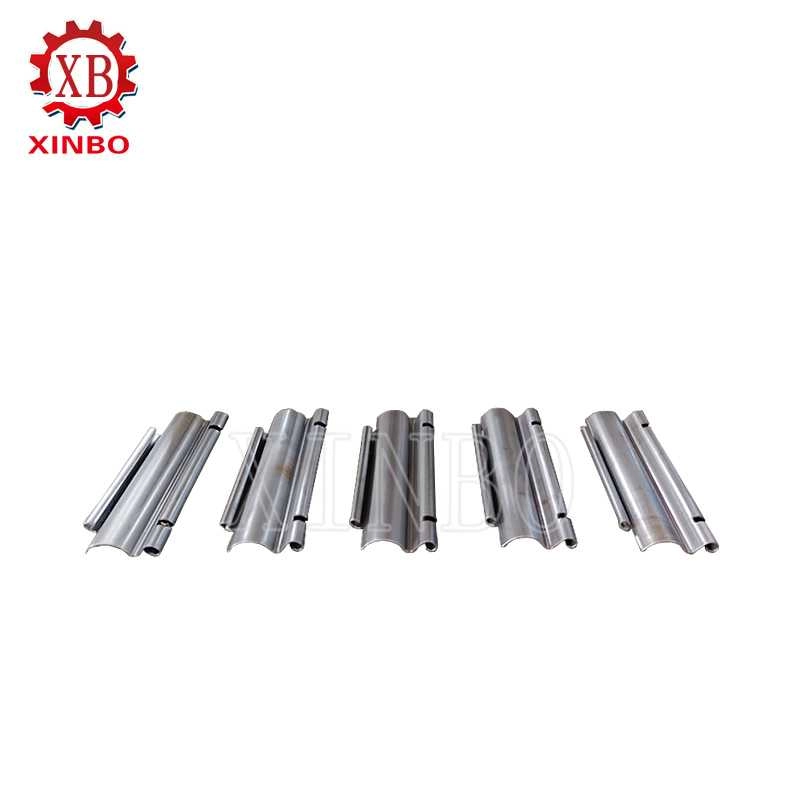
Progressive forming allows each roller station to make a controlled change to the strip. A correctly designed sequence can produce repeatable widths, curves, ribs, and interlocking edges.
Consistent profiles can simplify assembly and reduce installation adjustments. Accurate cut lengths can also prevent extra trimming and rejected slats.
Controlled Forming Supports Repeatable Profiles
Successively arranged rotating rolls create simple or complex profiles continuously. Material properties and process settings can influence bow, twist, edge waviness, and other deviations.
A manufacturer should inspect profile width, formed height, interlocking geometry, straightness, surface condition, hole position, and finished length.
Automation Reduces Manual Fabrication
Automation changes the operator’s responsibilities instead of removing the operator. The production team can focus on coil loading, parameter entry, inspection, collection, and packaging.
Centralized PLC controls can standardize routine production across shifts. An integrated line can also reduce handling, storage, and repeated inspection between separate machines.
Better Material Control Can Reduce Waste
Continuous coil processing allows the manufacturer to program slat lengths for each order. Accurate encoder measurement and controlled cutting can reduce excessive trimming and incorrectly sized products.
Roll forming offers high material utilization and high output, but poor process design can still cause bow, twist, and rejected material.
Consistent Profiles Protect Material Value
Material waste includes more than short offcuts. A defective profile also consumes coil stock, machine time, labor, and delivery capacity.
A buyer should compare planned coil consumption with accepted output, including setup pieces, cutting losses, and rejected slats.
Punching and Embossing Expand Product Options
A plain shutter slat does not satisfy every project. Perforated slats can support airflow, light transmission, or partial visibility, while embossed panels can provide a differentiated surface appearance.
Inline processing can reduce secondary handling because the line adds these features before the slat leaves the system. The buyer must define the hole pattern or embossing design before machine configuration.
Flexible Profile Design Supports More Applications
A manufacturer may require different profiles for shops, warehouses, garages, factories, and commercial entrances. Custom tooling can help the factory serve more specifications.
The buyer should provide a dimensioned profile drawing, material grade, thickness, coil width, required length, and expected output.
Guide Channels Can Complement Slat Production
A manufacturer can add guide-channel production when the business requires compatible shutter components. Coordinated slat and channel specifications can support more complete orders.
The buyer should confirm whether each profile requires dedicated tooling, interchangeable roller sets, or separate equipment.
Automated Production Can Support a Safer Workflow
Continuous feeding can reduce repeated manual contact with sharp individual sheets. Automation does not eliminate hazards, so forming rolls, nip points, rotating parts, and cutting areas still require guards, emergency controls, procedures, and risk assessments.
Machine-guarding requirements specifically identify forming rolls, ingoing nip points, rotating parts, and points of operation as areas that require suitable protection.
Lower Unit Costs Can Improve Competitiveness
A machine’s purchase price does not determine its total value. The buyer should consider material, labor, energy, rejected output, tooling allocation, overhead, and production volume.
Unit manufacturing cost = material cost + direct labor + energy + tooling allocation + rejection cost + factory overhead
Higher accepted output can spread fixed costs across more slats, but the factory needs enough suitable orders to achieve the expected utilization.
How Should a Buyer Estimate ROI?
The buyer should include equipment, tooling, freight, installation, electrical preparation, testing, and training in the total installed investment.
Estimated payback period = total installed investment ÷ annual net cash benefit
The annual benefit should use verified labor savings, lower rejection costs, reduced outsourcing, and additional production contribution.
How Should a Buyer Choose the Right Machine?
The buyer should prepare a clear technical requirement:
- The buyer should provide a dimensioned slat drawing.
- The buyer should define the material, coating, width, and thickness.
- The buyer should specify punching or embossing requirements.
- The buyer should define the finished length and tolerance.
- The buyer should state the required output per shift.
- The buyer should confirm the voltage and destination.
- The buyer should establish acceptance criteria.
The buyer should compare the complete workflow, including coil loading, forming, optional processing, cutting, collection, and inspection.
Часто задаваемые вопросы
What Does a Roll Shutter Door Forming Machine Produce?
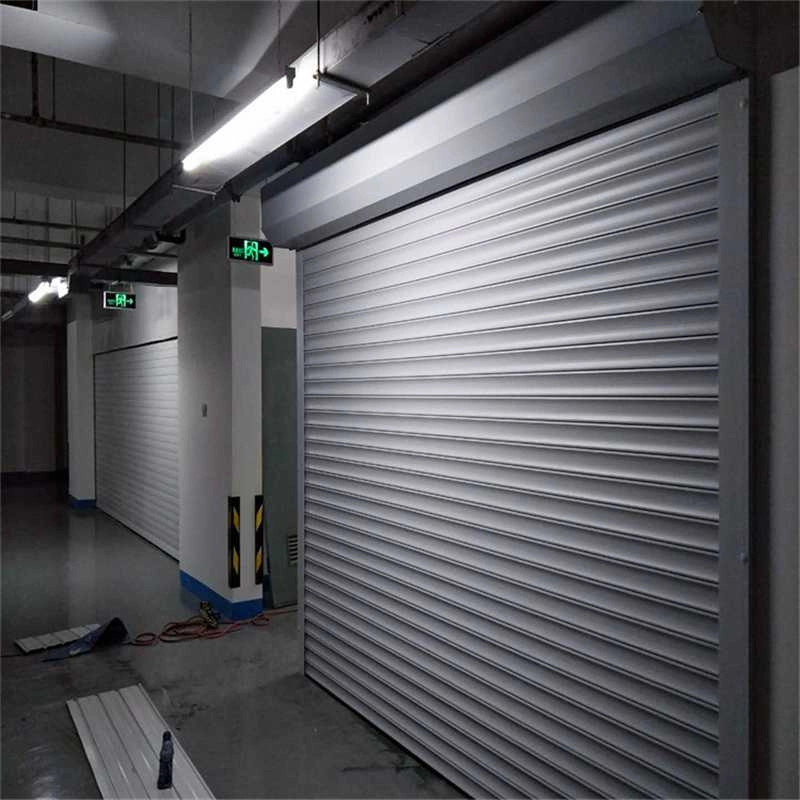
The machine produces metal slats that interlock to form a roller shutter curtain. A suitable configuration can also produce perforated slats, embossed panels, wider profiles, or guide channels.
Can One Machine Produce Several Slat Profiles?
A standard roller set usually produces one defined cross-section. Additional profiles may require adjustable tooling, interchangeable roller sets, or separate equipment.
How Fast Can the Machine Run?
The available speed depends on material thickness, profile complexity, punching, embossing, and cutting. The buyer should compare accepted pieces per shift rather than maximum forming speed.
What Information Is Required for a Quotation?
The supplier needs a profile drawing, material specification, thickness, coil width, finished length, output target, punching pattern, cutting tolerance, voltage, and destination.
Request a Customized Shutter Door Production Solution From XINBO
ХИНБО has manufactured metal shaping and roll forming equipment in China since 2014, and the company supplies customized shutter door machines, perforated and embossed configurations, wider-panel equipment, guide-channel solutions, PLC controls, encoder measurement, and hydraulic cutting options. A buyer can contact XINBO with a profile drawing, material details, required output, voltage, and destination information to receive a tailored configuration and quotation.
Связанные посты

Хорошее качество
XinBo машина, делающая CO. LTD является профессиональным производителем и экспортером в машине для формирования рулона,
ПРОСМЕТЬ БОЛЬШЕ→


 Russian
  English
  Spanish
  Portuguese
  Arabic
  French
  Dutch
Dutch  Turkish
  Swahili
  Serbian
  Romanian