Испанский
 Россия
C Covering Panel Machine Guide: Features, Applications, Benefits and Buying Factors
A C covering panel machine converts metal coil into continuous covering, cladding, or decorative panels with a defined cross-section. An automatic C covering panel roll forming machine coordinates feeding, forming, measurement, and cutting, while a custom metal covering panel production line matches a buyer’s drawing, material, output target, and factory conditions.
This guide uses “C covering panel” for a sheet-metal covering profile rather than a structural C purlin.
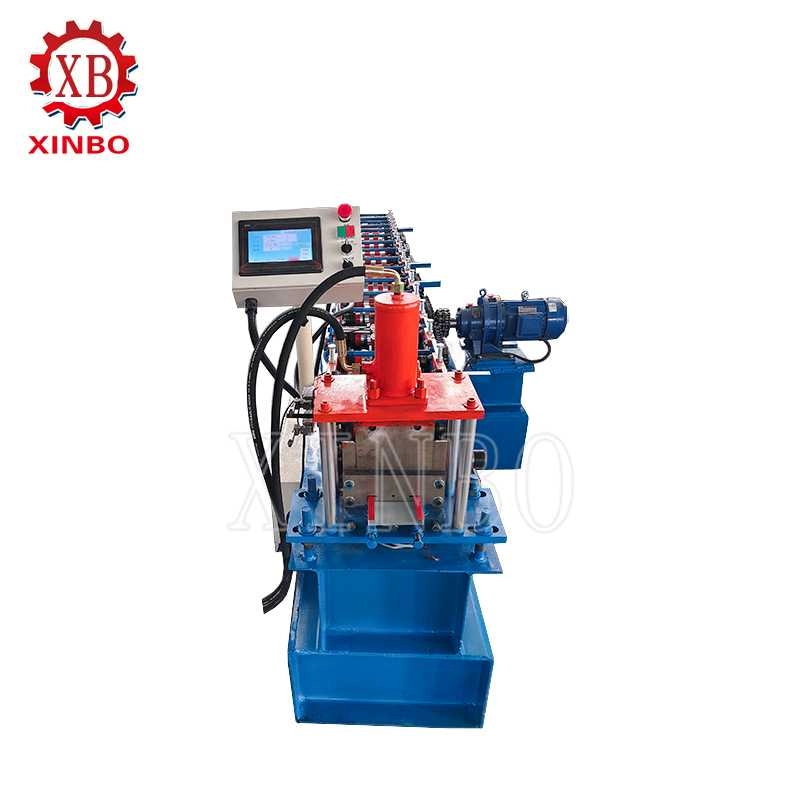
What Is a C Covering Panel Machine?
A C covering panel machine passes flat strip through successive roller dies. Each station makes part of the bend until the material reaches its final profile.
Roll forming suits long products with a consistent cross-section. The process can also integrate cutting, punching, slotting, embossing, or curving.
What Does the Machine Produce?
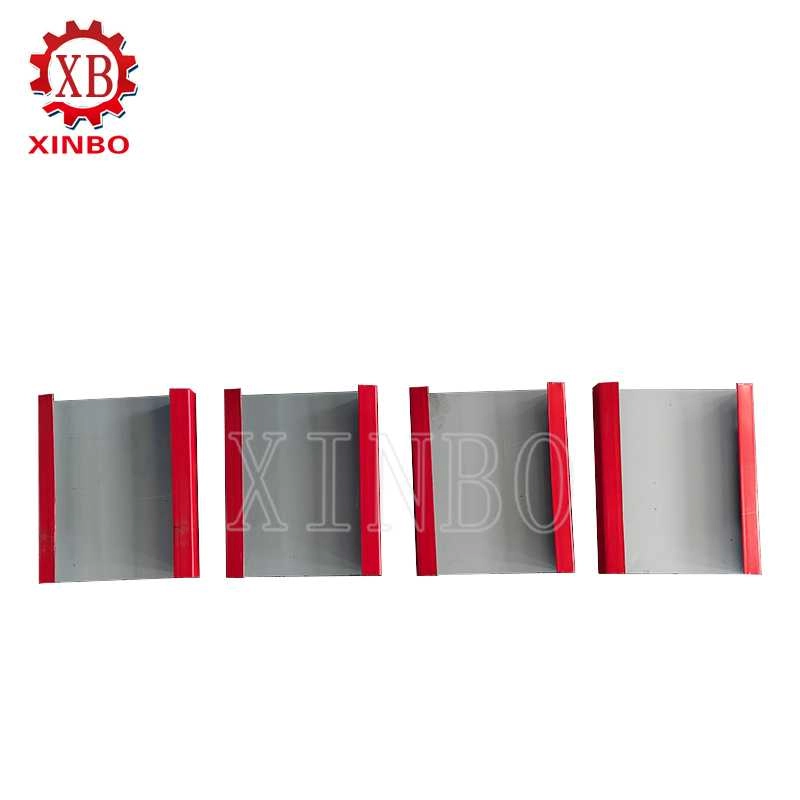
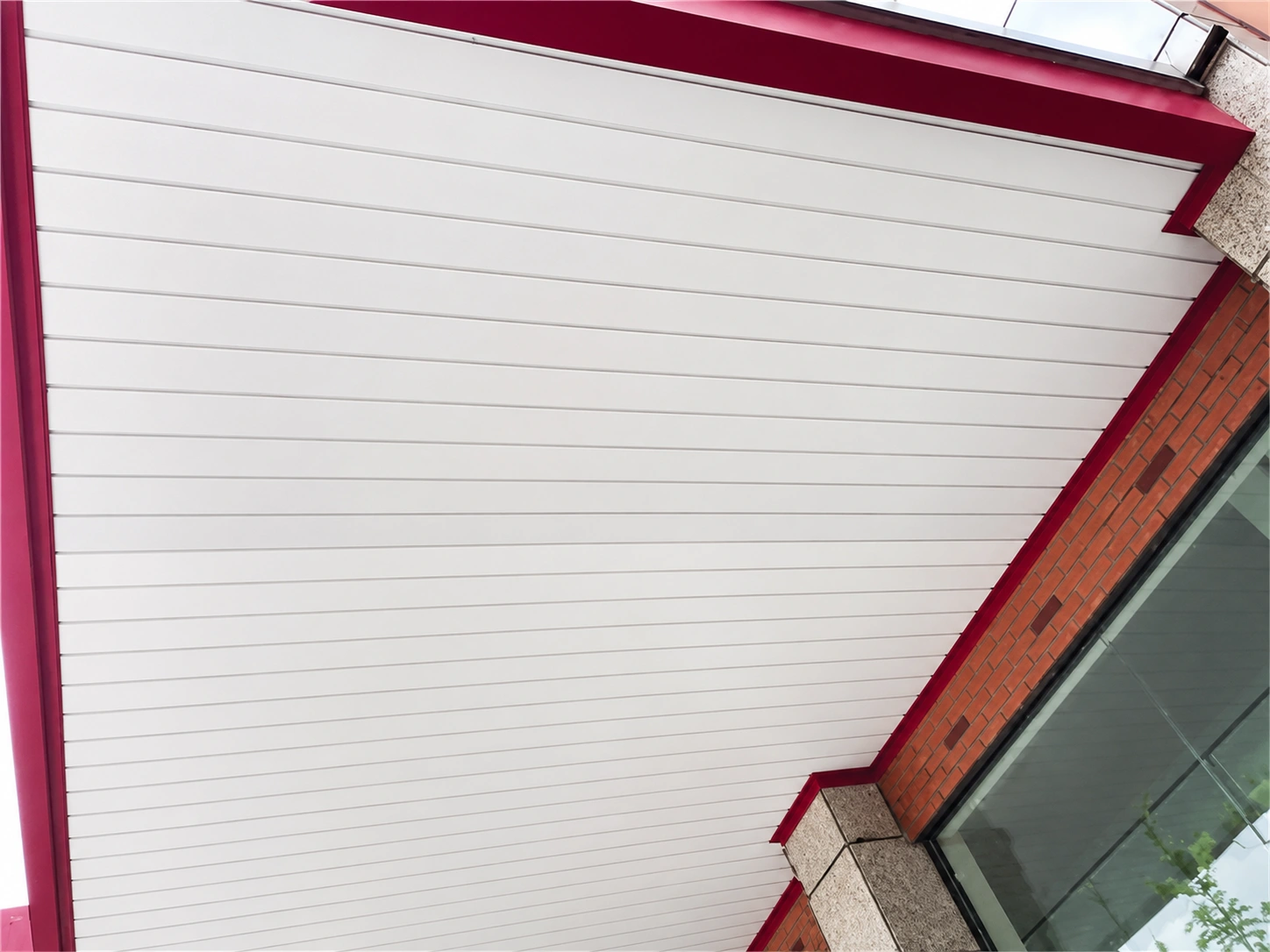
The machine can produce panels for roofs, walls, enclosures, decorative surfaces, or project-specific covering systems.
The final product depends on its total width, effective covering width, rib height, edge design, joint geometry, and length.
The buyer should provide a dimensioned drawing that shows every bend, radius, flange, return edge, hole, and connection detail.
How Does a Covering Panel Differ from a C Purlin?
A covering panel creates a broad protective or decorative surface. A C purlin creates a structural or supporting section.
The two products require different rollers, material ranges, cutting tools, and line layouts. XINBO also separates roof and wall panel equipment from C, U, Z, and Omega profile machines.
How Does an Automatic C Covering Panel Roll Forming Machine Work?
The production sequence follows a controlled path from raw coil to finished panel.
- The decoiler supports the coil and releases the strip.
- The feeding guide centers the strip.
- The leveler flattens the material when required.
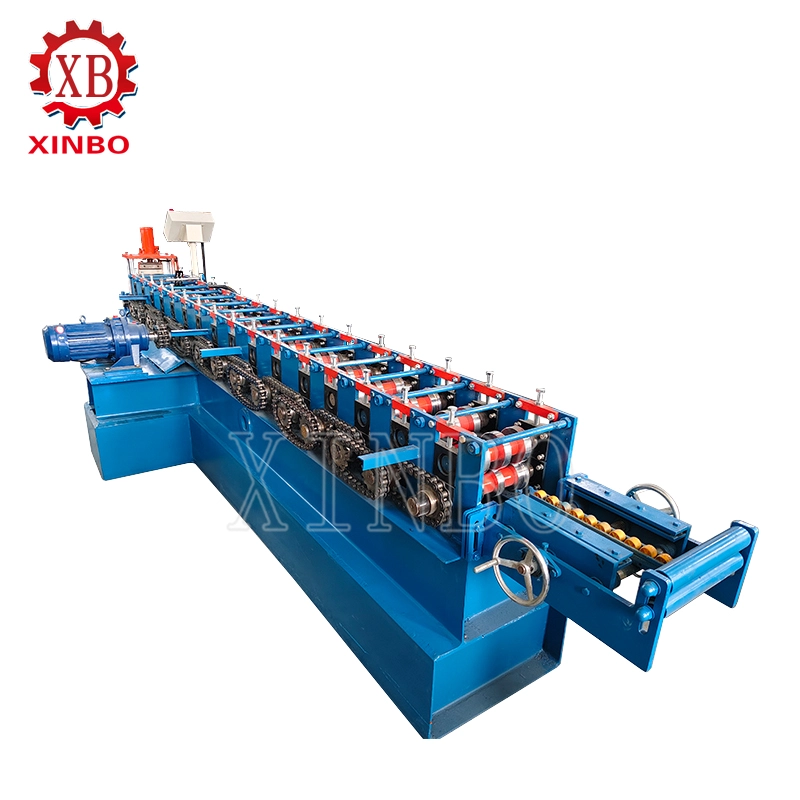
- The roller stations form the approved profile gradually.
- The encoder measures material movement.
- The cutting unit separates each programmed length.
- The receiving table supports the finished panels.
The required number of roller stations depends on the material grade, profile complexity, and mill design.
Which Optional Processes Can the Line Include?
A customized line can include punching, notching, slotting, embossing, protective-film application, or automatic stacking.
The supplier should identify every module as standard or optional. The buyer should also confirm when each process occurs because the sequence can affect accuracy, surface quality, and output.
Which Machine Features Matter Most?
A useful specification sheet should connect each component with a measurable production result.
Roller, Frame and Drive Design
The roller contour controls the final profile, while the frame and shafts carry the forming loads.
Stronger or thicker material increases equipment demands, so the mechanical capacity must match the coil specification.
The supplier should state the roller material, shaft diameter, forming stations, frame structure, transmission method, and normal operating speed.
PLC Control, Measurement and Cutting
The control system manages panel length, production quantity, cutting commands, and operating status.
An encoder can coordinate programmed lengths with a hydraulic profile cutter. XINBO lists PLC control, encoder measurement, hydraulic profile cutting, chain transmission, and buyer-specific voltage options on one roof and wall panel line.
Buyers should treat these specifications as model-specific examples rather than universal values.
Compatible Coil Materials
Selected panel lines can process pre-painted galvanized steel, galvanized steel, and aluminum.
The confirmed specification must also define the following factors:
- The specification must define the material thickness.
- The specification must define the coil width and weight.
- The specification must define the material strength.
- The specification must define the surface coating.
- The specification must define the required surface protection.
The raw coil width must correspond with the finished geometry and effective covering width.
Where Can Manufacturers Use C Covering Panels?
Manufacturers can use the panels in several applications:
- Roofing manufacturers can produce metal covering panels.
- Wall suppliers can produce exterior cladding or interior liner profiles.
- Fabricators can produce machine covers, partitions, and enclosures.
- Decorative-panel suppliers can produce ribbed or embossed surfaces.
- Modular-building producers can use repeatable lengths and joints.
- Contract manufacturers can produce different lengths from one profile.
The metal-construction sector uses roll-formed aluminum and steel cladding for roof and wall systems. Every panel must still meet the project’s engineering, fastening, coating, and installation requirements.
What Benefits Can the Equipment Provide?
The continuous process can support higher output because one line feeds, forms, measures, and cuts the coil.
Progressive forming can also improve profile consistency when the material and machine settings remain controlled.
Automatic length control can reduce manual measurement. Integrated punching or embossing can reduce handling between separate machines when the line includes those options.
A suitable coil width can reduce avoidable offcuts. In-house production can also improve control over panel lengths, batch timing, order sequencing, and product availability.
How Should Buyers Choose the Right Machine?
The buyer should begin with the finished product rather than the headline machine price.
Confirm the Technical Requirements
The buyer should provide the following information:
- The buyer should provide a dimensioned panel drawing.
- The buyer should specify the material, thickness, width, and strength.
- The buyer should define the panel lengths and tolerances.
- The buyer should calculate the required output per shift.
- The buyer should identify optional processing requirements.
- The buyer should confirm the voltage, floor space, and destination.
A custom metal covering panel production line must be engineered around these inputs.
Compare the Complete Configuration
The buyer should compare the decoiler, guides, leveler, forming mill, cutter, controller, receiving equipment, tooling, documents, and spare parts.
The buyer should distinguish normal production speed from a maximum test speed.
The final price depends on profile complexity, material strength, thickness, automation, cutting method, output target, and optional modules.
Verify the Trial Panels
The buyer should inspect the panel width, height, edge dimensions, straightness, surface condition, and cut quality.
The buyer should also connect sample panels when the profile includes a lock or overlap.
XINBO states that its inspection process includes profile checks, machine testing, customer photos or videos, and a final inspection before loading.
Часто задаваемые вопросы
Can One Machine Produce Different Panel Sizes?
One machine can normally produce different panel lengths through programmed cutting.
The machine can produce different widths or profiles only when its design includes adjustment, interchangeable tooling, cassettes, or multiple forming layers.
What Information Is Needed for a Quotation?
The supplier needs the profile drawing, material type, thickness, coil width, output target, panel lengths, electrical supply, optional functions, and destination.
What Determines Production Speed?
The material, profile complexity, punching sequence, cutting method, automation level, and panel-handling process determine practical production speed.
How Much Does a C Covering Panel Machine Cost?
The cost depends on the confirmed profile and complete production-line scope.
The buyer should request an itemized quotation that covers the main machine, optional modules, tooling, packing, freight, and service.
Request a Custom C Covering Panel Machine Solution
ХИНБО has manufactured metal shaping and roll-forming equipment in China since 2014. XINBO offers roof and wall panel machines, corrugated and decorative panel lines, profile equipment, decoilers, cutting machines, and customized solutions. XINBO’s project process covers requirement communication, technical drawings, production, inspection, shipment, logistics follow-up, and service support. Buyers can submit a panel drawing, material specification, output target, electrical standard, and destination to request a tailored configuration and quotation. Contact XINBO today through the contact page to discuss your production requirements with the technical team.
Связанные посты

Хорошее качество
XinBo машина, делающая CO. LTD является профессиональным производителем и экспортером в машине для формирования рулона,
ПРОСМЕТЬ БОЛЬШЕ→


 Russian
  English
  Spanish
  Portuguese
  Arabic
  French
  Dutch
Dutch  Turkish
  Swahili
  Serbian
  Romanian