İspanyolca
 Rusya
Rusya
How Does a Laser Welding Square Pipe Roll Forming Machine Work?
Square pipes, also called square tubes, serve as important structural parts in many industries. They offer good strength, even shape, and flexibility. These hollow pieces give strong support for loads and keep a neat, up-to-date look. Demand keeps rising for accurate and good-quality square pipes. They appear in construction frames, furniture, and machine supports. Because of this, manufacturers turn more often to modern production methods. The laser welding square pipe roll forming machine performs well in this area. It gives better weld quality, faster work, and nicer surface results.
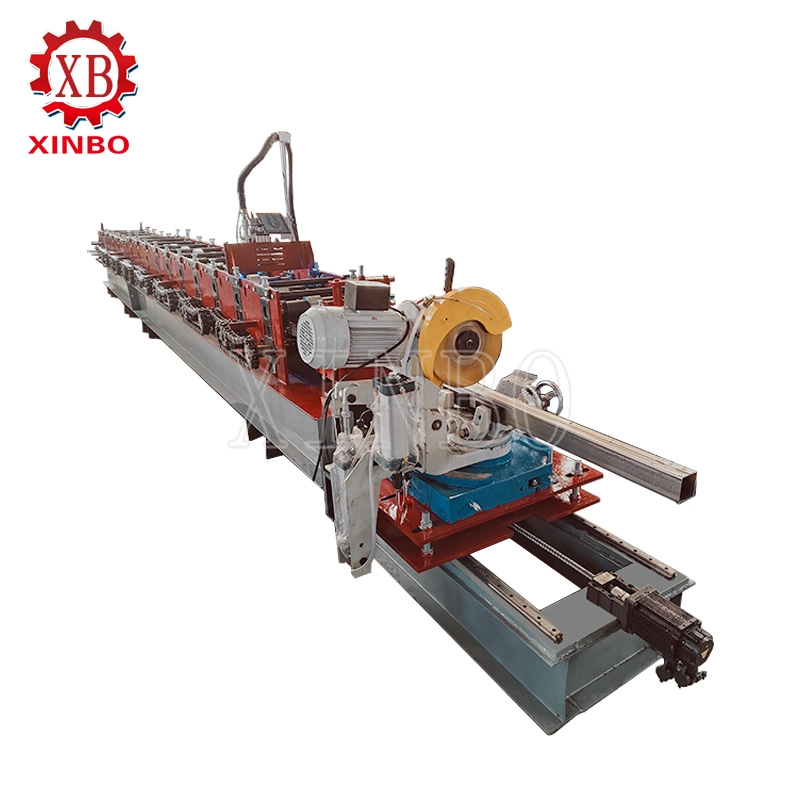
This detailed guide covers what a laser welding square pipe roll forming machine is. People also call it a square pipe roll forming machine, welded square pipe roll forming machine, or square pipe making machine in factory and custom settings. It explains the main working ideas, important features, uses, production steps, laser welding details, and other points. The article shares clear and expert information on this advanced system.
What Is a Laser Welding Square Pipe Roll Forming Machine?
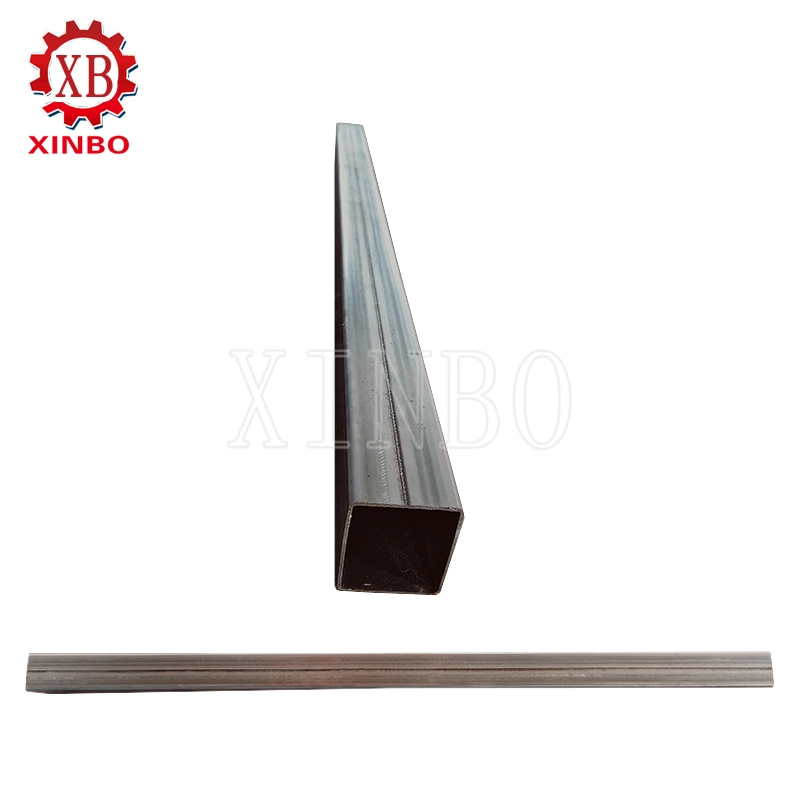
A laser welding square pipe rulo şekillendirme makinesi forms a complete automated line. It mixes steady cold roll forming with accurate laser welding. This turns flat metal coils into sealed square and rectangular hollow shapes.
Makinenin Temel Bileşenleri
The usual setup contains a hydraulic decoiler, straightener/leveler, roll forming stations, laser welding unit with seam tracking, sizing/calibrating rollers, flying cutoff saw, and automatic stacking system.
Size and Material Range
These machines often make square pipes from 15×15 mm to 150×150 mm, plus matching rectangular sizes. Wall thicknesses run from 0.6 mm to 6.0 mm based on the model. They work with carbon steel, pre-galvanized steel, hot-rolled pickled steel, cold-rolled steel, stainless steel (304/316), and sometimes aluminum alloys.
Applications of Laser Welding Square Pipes
Square pipes from laser-welded lines show improved size precision, stronger welds, and cleaner looks than old HF-welded ones. This widens their role in various fields.
Construction and Structural Applications
They fit building columns, beams, trusses, curtain wall supports, highway guardrails, and modular scaffolding systems. Steady strength and rust protection matter a lot here, particularly with galvanized types.
Automotive and Vehicle Manufacturing
These pipes go into chassis subframes, roll cages, seat structures, exhaust hangers, and commercial vehicle body frames. They benefit from solid weld strength and very little shape change.
Furniture and Architectural Design
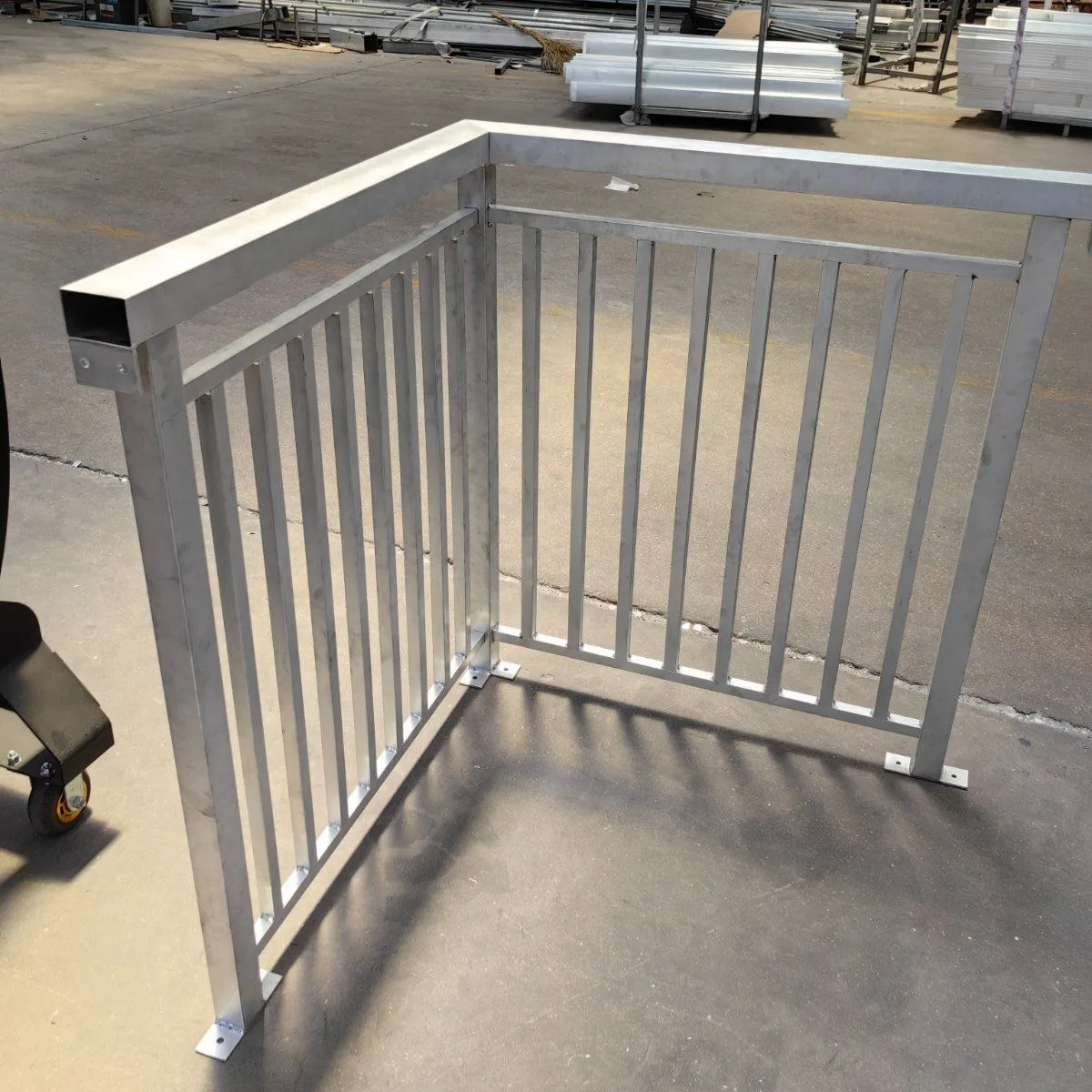
Many choose them for modern simple furniture frames, handrails, display racks, and inside partitions. The weld seam stays nearly hidden, and the smooth finish needs hardly any extra work.
Industrial Equipment and Machinery
They appear often in conveyor frames, machine bases, protective guarding, material handling systems, and farm machine supports. Accuracy and long life remain key needs.
Renewable Energy Structures
These pipes see wide use in solar tracker frames, photovoltaic mounting systems, wind turbine access platforms, and battery energy storage enclosures. They take advantage of light weight combined with firm structure.
Key Features of Laser Welding Square Pipe Roll Forming Machines
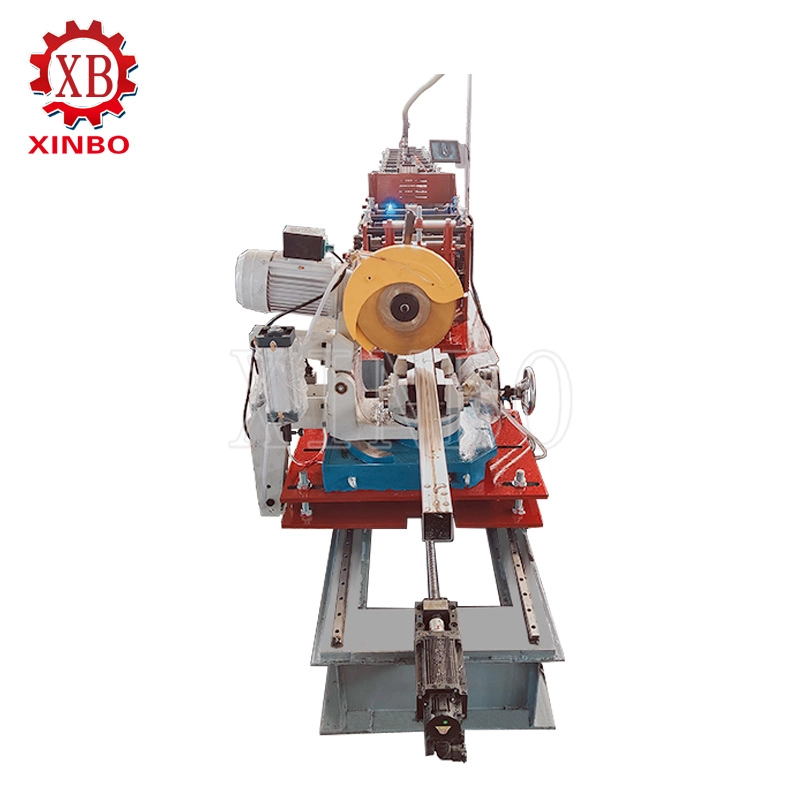
Current laser welding square pipe roll forming machines use up-to-date methods. They aim to reach high accuracy, good speed, and steady performance.
High-Precision Fiber Laser Welding System
It uses 1–4 kW fiber lasers with very good beam focus (M² ≈ 1.1–1.3). This allows deep weld penetration and small heat-affected zones.
Advanced Roll Forming Technology
The system has 20–35 forming stations. Rollers come hardened, chrome-plated, and ground precisely. They sit on strong stands to create even shapes with little spring-back.
Automated Seam Tracking and Guiding
Real-time optical or laser seam tracking keeps edges lined up within ±0.1 mm. This step stays vital for steady weld results during fast production.
Servo-Controlled Cutting and Length Accuracy
Flying cutoff systems, either servo-driven or hydraulic with servo tracking, reach length accuracy of ±1–2 mm. Ends come out without burrs.
Intelligent Control and HMI
An industrial PLC pairs with a 15–21 inch touchscreen HMI. It stores settings, watches parameters live, logs production data, and allows fast size switches.
Understanding Laser Welding Technology in Square Pipe Production
Laser welding now ranks as the top choice for joining in high-end laser welding square pipe roll forming machines. It beats traditional high-frequency (HF) induction welding in technical ways.
Fundamental Principles of Laser Welding for Pipes
The method depends on a tight laser beam, often at 1070 nm from ytterbium-doped fiber lasers. It reaches power levels above 10⁶ W/cm². This quickly turns metal into vapor and makes a keyhole with a thin liquid pool around it. When the pipe advances, the keyhole closes after the beam. That forms a steady, deep weld bead.
Comparison: Laser Welding vs. High-Frequency Welding
- Heat Input & HAZ: Laser welding gives a HAZ usually 0.5–2.5 mm wide. HF welding creates 5–15 mm. So laser causes much less change in metal structure and less bending.
- Weld Seam Appearance: Laser makes narrow, even, slightly raised beads. They often need no grinding. HF seams turn out wider and usually require extra smoothing after welding.
- Welding Speed Potential: Laser supports 15–40 m/min for thin walls. HF often stays at 20–80 m/min, but quality drops at faster rates.
- Material Thickness Range: Laser handles 0.6–6 mm very well with tight control. HF works better cost-wise for thicker walls (>4 mm), yet it loses on finish quality.
- Energy Efficiency: Fiber lasers reach 25–35% wall-plug efficiency. Traditional arc methods hit only about 5–10%.
Shielding Gas and Weld Protection
Argon, helium, or mixes of both flow coaxially or via trailing shields. They stop oxidation and keep weld surfaces bright without oxide—crucial for stainless steel and galvanized items.
Production Workflow of Laser Welding Square Pipe Roll Forming Machines
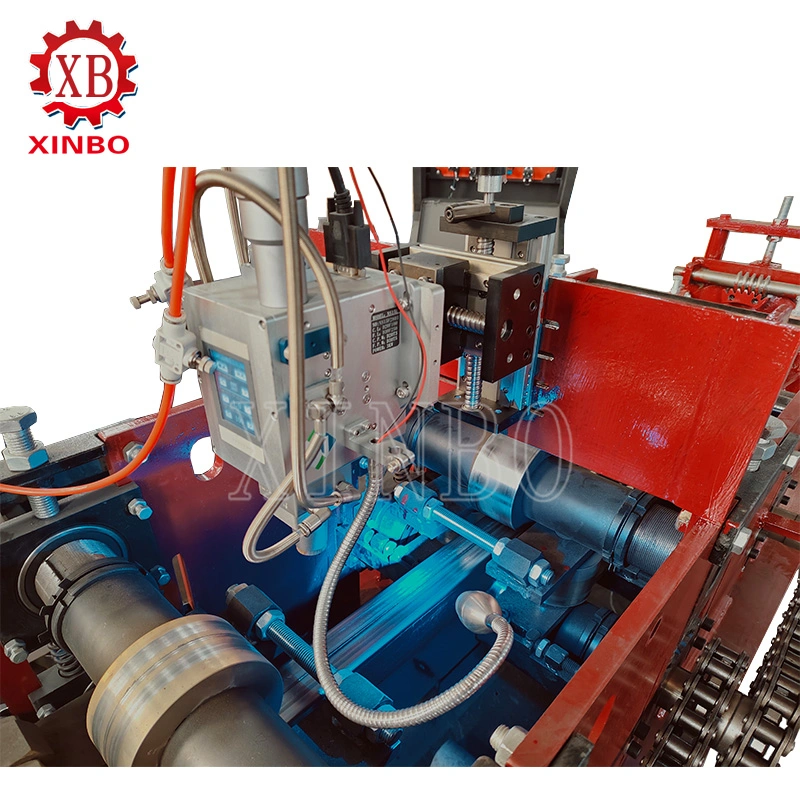
The full process runs with heavy automation. All parts stay in sync for steady, good output.
Step 1: Coil Loading and Uncoiling
A hydraulic double-cone or cantilever decoiler with coil car supplies the strip under even tension.
Step 2: Strip Leveling and Edge Conditioning
A 7–11 roller straightener takes away coil bend. Optional edge milling or deburring readies clean edges for welding.
Step 3: Progressive Cold Roll Forming
A multi-stand mill slowly shapes the strip into an almost closed square or rectangular form. It keeps tight control over the gap.
Step 4: Laser Welding and Inline Annealing (Optional)
The fiber laser joins the seam without stop. Optional induction or laser heating eases leftover stresses in strong steels.
Step 5: Sizing, Straightening, and Final Calibration
4–8 sizing stations improve outside sizes and diagonal precision. A Turk’s head or roller straightener fixes any curve or twist.
Step 6: Precision Cutting and Discharge
A servo flying saw or friction saw cuts pieces to length. The run-out table handles automatic bundling and stacking to finish the line.
Environmental Benefits of Laser Welding Square Pipe Roll Forming Machines
Laser systems help make manufacturing more eco-friendly in several ways.
Reduced Material and Energy Waste
Exact forming and small HAZ cut down on waste. They also lower total energy use for each meter of pipe.
Cleaner Workshop Environment
No welding smoke, sparks, or slag means better air inside. This reduces the need for big filter setups.
Support for Sustainable Materials
The machines handle recycled steel, galvanized layers, and stainless types. That supports reuse and circular practices.
FAQs About Laser Welding Square Pipe Roll Forming Machines
What is the typical weld seam width and appearance?
Laser welds normally create a seam 0.8–2.0 mm wide. It shows a smooth, slightly raised bead that often needs no extra grinding.
How does laser welding affect corrosion resistance in galvanized pipes?
The small HAZ keeps more zinc near the weld. This offers stronger rust protection than wider HF welds.
What production speeds are realistic for 1.5 mm thick square pipe?
Speeds of 15–30 m/min happen often. It depends on laser power, material, and pipe size.
Can stainless steel square pipes be produced without discoloration?
Yes. Proper argon shielding and fine-tuned settings keep welds bright and free of oxide.
What level of operator intervention is typically needed?
After setup, one operator runs the whole line. PLC automation and stored recipes make it simple.
Ready to Enhance Your Square Pipe Production Capabilities?
XINBO'nun specializes in advanced metal shaping and roll forming solutions, including welding pipe machines designed for efficient, high-quality output. As a professional manufacturer offering custom OEM/ODM services, XINBO focuses on innovative technology, precise engineering, and reliable performance to meet diverse production needs. Their equipment incorporates durable components, PLC controls, and customizable features for optimal results in pipe and profile manufacturing.
If a dependable laser welding square pipe roll forming machine or related square pipe making machine solutions seems useful, contact the XINBO team. They provide expert advice suited to factory needs. Improve production efficiency with tested technology from a reliable source focused on quality. Reach out to XINBO today to talk about the project and see how their knowledge can help achieve goals.
İlgili Yazılar

İyi kaliteli
XinBo makine yapma CO. LTD rulo şekillendirme makinesinde profesyonel bir üretici ve ihracatçıdır,
Daha Fazlasını Görüntüle→


 Turkish
  English
  Spanish
  Portuguese
  Arabic
  Russian
  French
  Dutch
Dutch  Swahili
  Serbian
  Romanian