İspanyolca
 Rusya
Rusya
Benefits of Using a Double Layer Roofing Sheet Forming Machine in Manufacturing
Manufacturers in the construction sector always look for equipment that raises output while keeping costs low. A double layer roofing sheet forming machine provides exactly that benefit. This modern roll forming solution lets producers make two different roofing profiles on one compact unit.
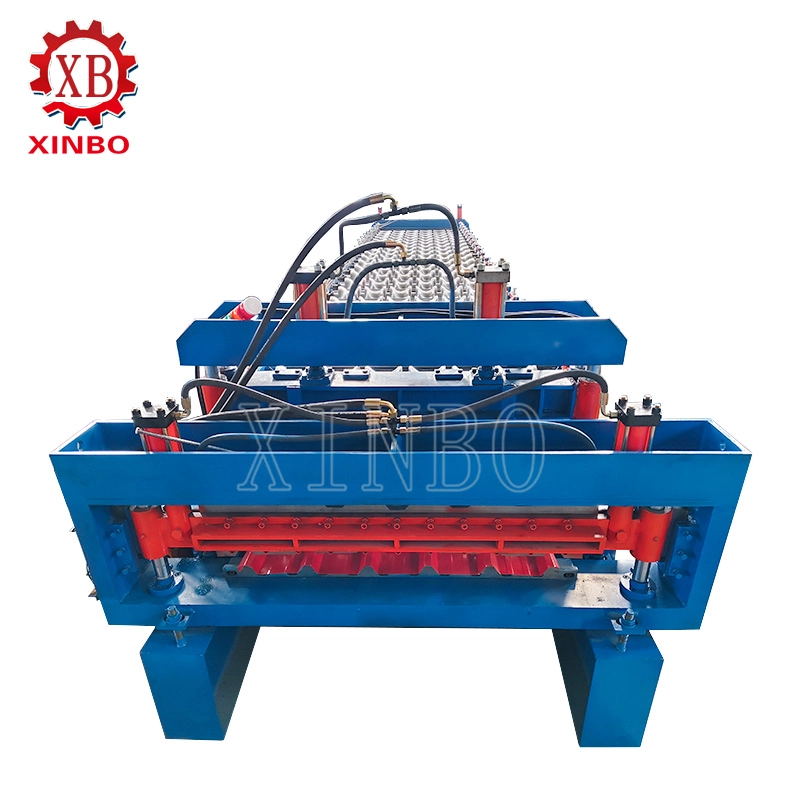
What Is a Double Layer Roofing Sheet Forming Machine?
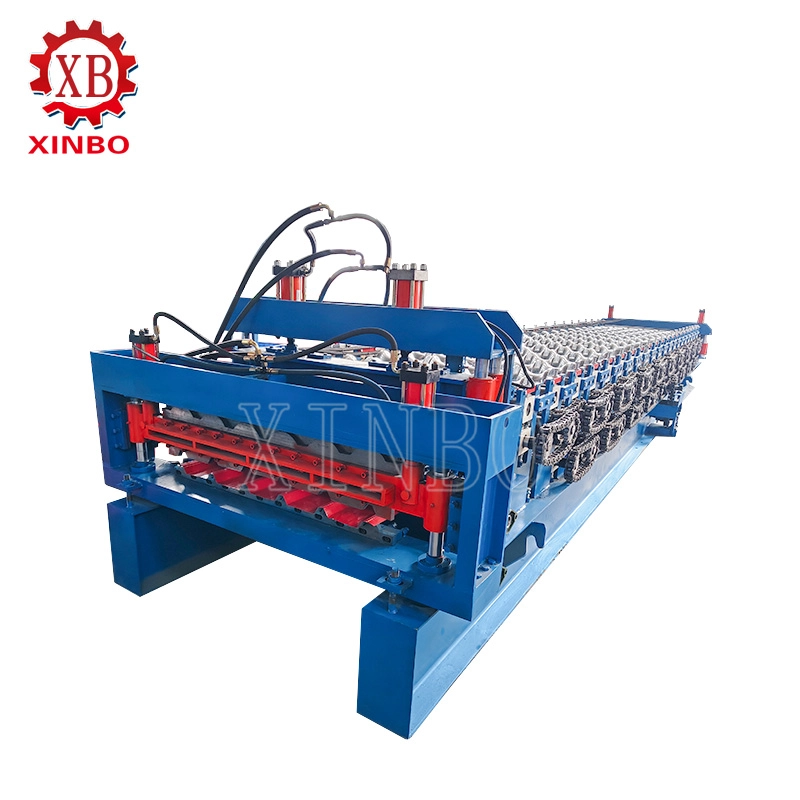
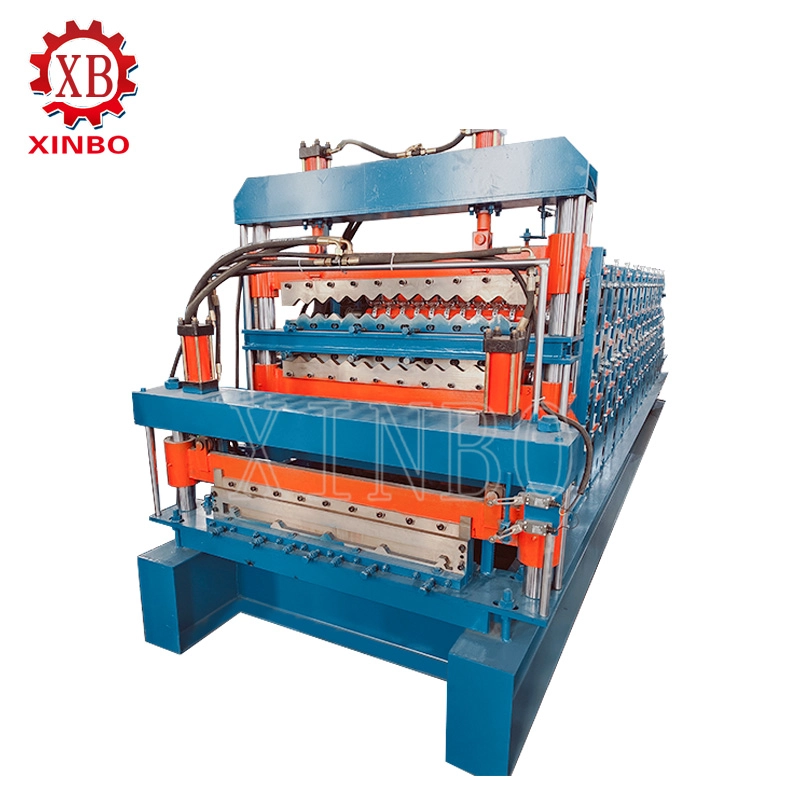
A double layer roofing sheet forming machine is a special roll forming system. It creates two distinct roofing profiles with upper and lower forming layers on a single frame. The main idea focuses on “one machine, two uses.” Manufacturers change between profiles without buying separate units. This equipment turns metal coils into finished sheets. These sheets work well for various roofing applications, including colored steel panels often used in modern construction.
How Double Layer Roll Forming Machines Work
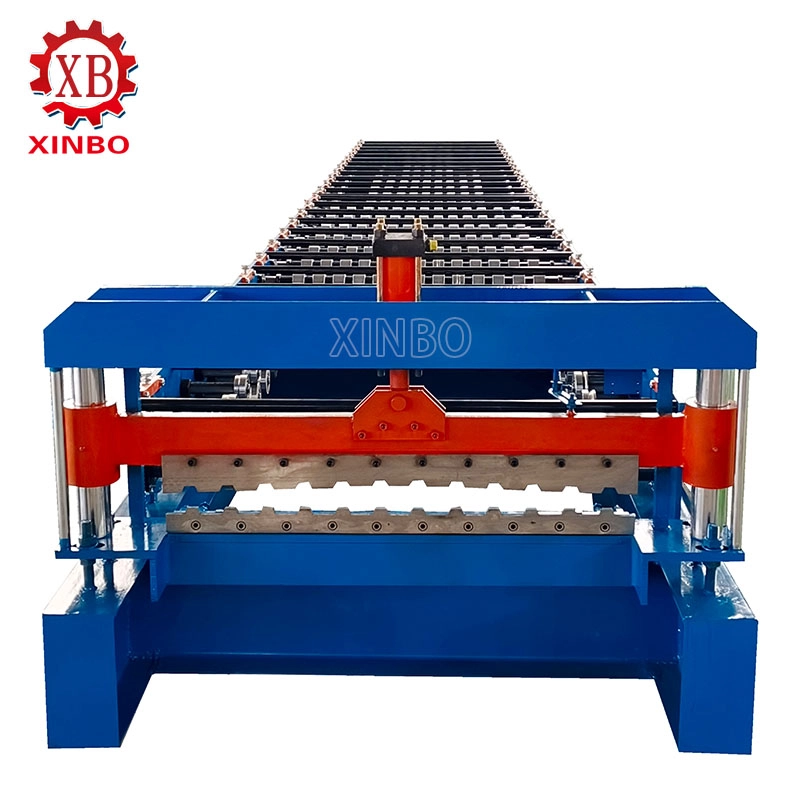
The double layer roll forming machine runs through a continuous cold roll forming process. A decoiler first sends the metal coil into the system. The material then moves through feeding guides before it reaches multiple roll forming stations. These stations slowly shape the sheet with step-by-step bending on either the upper or lower layer. A cutting system at the end trims the formed sheets to exact lengths. The hydraulic system, often seen in bright red parts on the equipment, keeps operation smooth and reliable. Rear roll stations give the accurate profiling needed for steady quality across production runs.
Difference Between Double Layer and Single Layer Roofing Machines
Single layer roofing machines form only one profile at a time. This limits variety in facilities that deal with different customer orders. On the other hand, a double layer roofing sheet forming machine stacks two independent forming levels on one frame. This design shares key components such as the decoiler, hydraulic system, and control unit. The result is more flexibility without doubling the space or investment.
Common Roofing Profiles Produced (Trapezoidal & Tile Sheets)
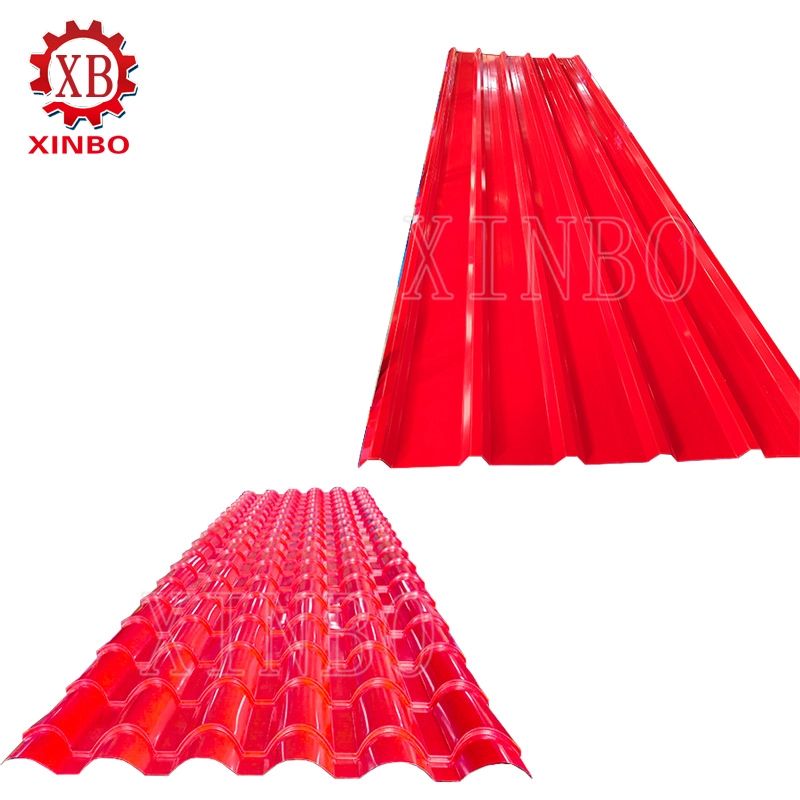
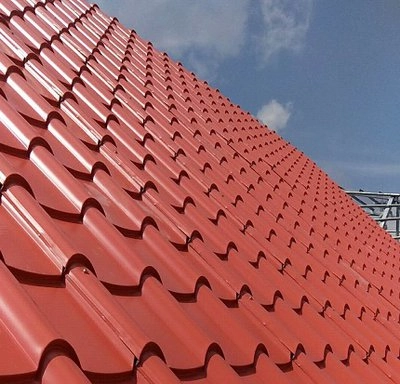
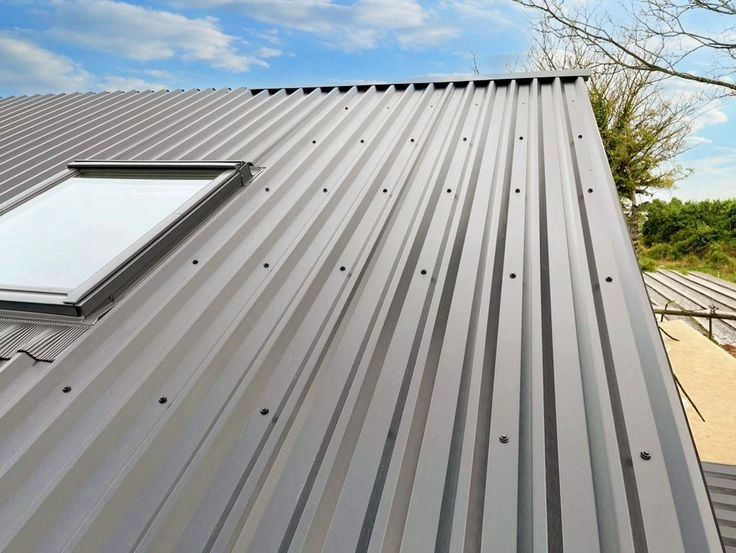
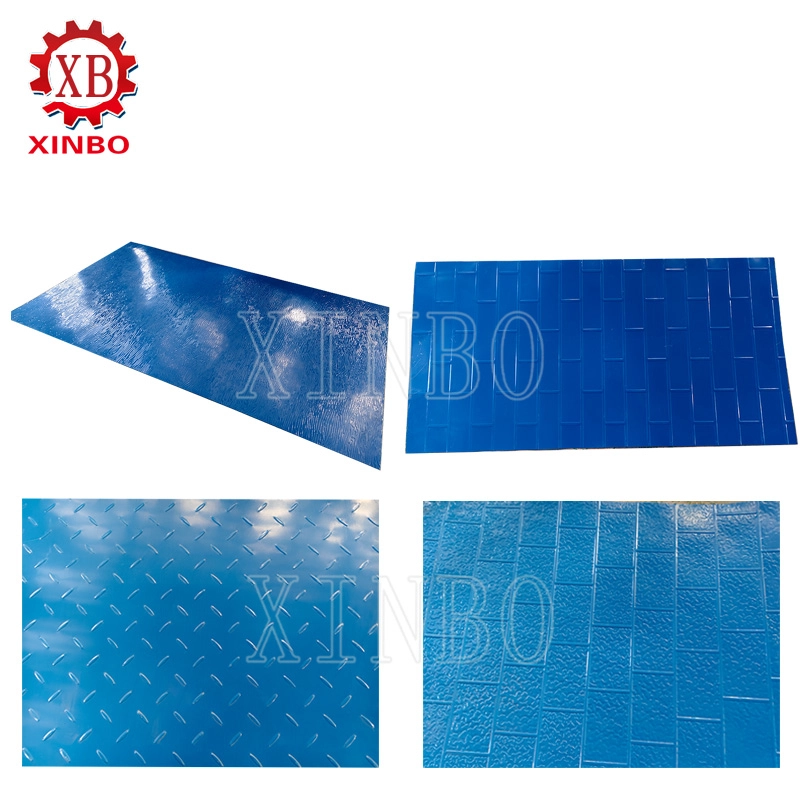
Double layer machines often produce trapezoidal sheets. These sheets suit industrial and warehouse roofing because of their strength and water-shedding properties. They also form tile-style or glazed sheets that people like in residential construction for their nice look. Common combinations include trapezoidal with corrugated profiles or trapezoidal with imitation glazed tiles. These profiles support colored steel roofing applications in factories, villas, and commercial buildings. The ability to combine two profiles on one machine helps suppliers meet various market demands in an efficient way.
 Key Benefits of Double Layer Roofing Sheet Forming Machines
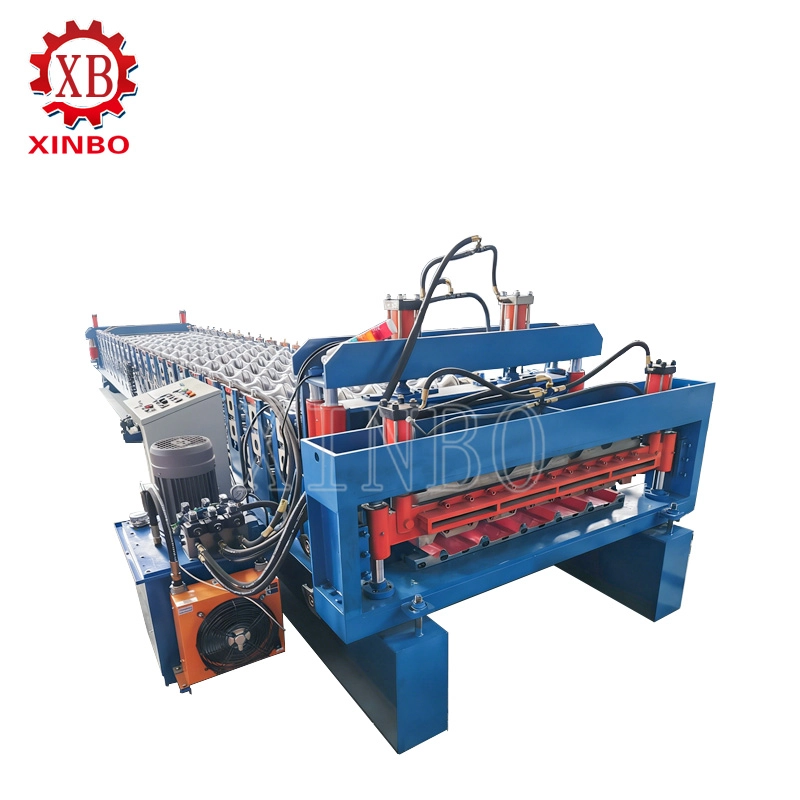
The main advantage of a double layer roofing sheet forming machine lies in its “one machine, two uses” ability. This feature shows clearly in the dual upper and lower structures of the equipment. This design directly solves common problems in roofing sheet manufacturing by raising efficiency and lowering costs. Manufacturers get the chance to answer changing orders quickly while making the best use of factory resources.
Increased Production Flexibility with Two Profiles
A double layer roll forming machine allows producers to manufacture two different roofing sheets without major retooling. Operators simply switch layers to change between profiles such as trapezoidal and tile sheets. This flexibility helps a lot when customer needs differ between industrial-strength panels and decorative residential options.
Space-Saving Design for Small Factories
The compact size of a double layer roofing sheet forming machine makes it good for facilities with limited floor space. Instead of setting aside room for two separate machines, manufacturers install one unit that handles multiple profiles. This space efficiency supports growing operations or smaller workshops that still need to offer a wide product range.
Cost Efficiency Compared to Two Separate Machines
Buying a double layer machine usually costs much less than getting two single layer units. Shared components reduce initial capital outlay, installation expenses, and ongoing energy use. Industry comparisons show possible savings of 15 to 40 percent on equipment investment when choosing the double layer solution over dedicated single layer machines.
Faster Changeover with Hydraulic Switching System
The hydraulic mechanism, often shown in red sections of the machine, allows quick selection between upper and lower layers. Operators complete rapid profile switches with little downtime. This feature keeps production lines running well even when filling mixed orders during the day.
Reduced Labor and Operational Costs
Automation in the double layer design lowers the number of operators needed compared to running multiple machines. One team handles the whole process, which decreases labor expenses and makes daily operations simpler. Overall operational costs drop because of shared maintenance points and higher use rates of the equipment.
Applications in Roofing Sheet Manufacturing
Double layer roofing sheet forming machines see use across multiple sectors in the construction materials industry. They support the production of colored steel roofing sheets and imitation glazed tiles for different building types. The versatility of these machines helps manufacturers serve both large-scale and custom projects.
Industrial Roofing Sheet Production
In industrial settings, the machine produces strong trapezoidal profiles for factories, warehouses, and steel structures. These sheets offer excellent strength and weather resistance needed for large-span roofs.
Residential Roofing Tile Manufacturing
Residential projects gain from attractive tile-style sheets that mix good looks with useful function. The double layer capability lets producers switch between standard and decorative profiles to fit homeowner preferences.
Steel Building and Warehouse Projects
Fast construction of commercial and industrial buildings depends on steady, high-quality panels. The machine supplies uniform sheets that speed up installation while keeping structural strength.
Construction Material Suppliers and Distributors
Suppliers expand their catalogs without extra equipment by using one double layer unit to offer multiple profile options. This ability improves competitiveness and customer satisfaction.
Technical Features That Improve Efficiency
Hydraulic Cutting System for Precise Sheet Length
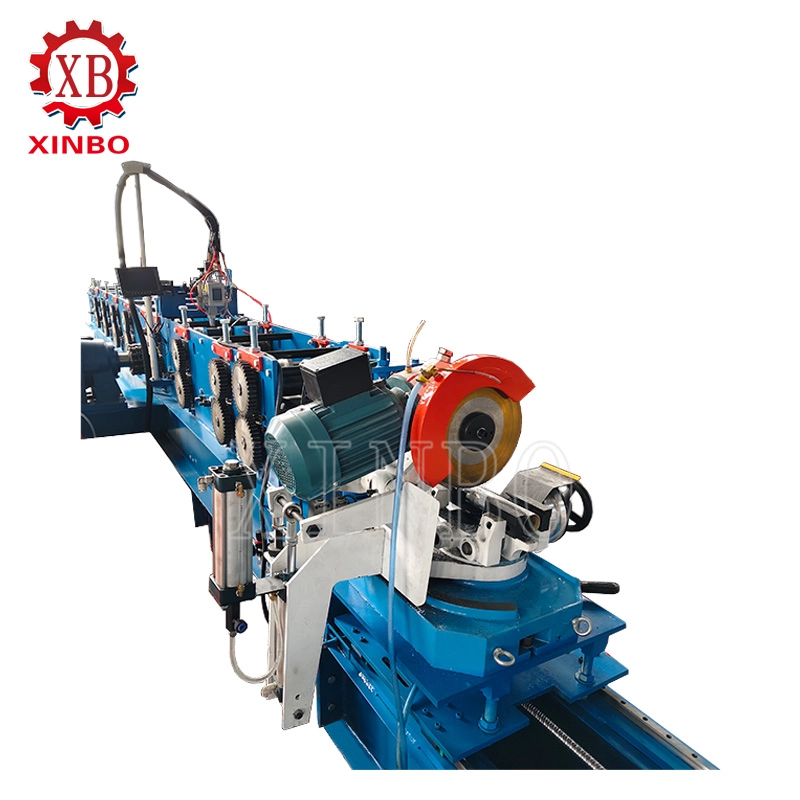
The hydraulic cutting system gives accurate, clean cuts at the needed lengths. This precision cuts material waste and makes sure every sheet meets exact specifications for installation.
Heavy-Duty Frame for Stable Forming Process
A strong welded frame keeps alignment and reduces vibration during operation. Stability at high speeds stops defects and supports steady output quality across long production runs.
Roll Forming Stations for High-Speed Production
Multiple upper and lower roll stations shape the metal coil with good accuracy. The step-by-step bending process reaches complex profiles while keeping speed and surface finish.
PLC Control System for Automation
The programmable logic controller (PLC) automates important parameters such as speed, length, and layer selection. This system makes operation easier, improves repeatability, and lets operators watch the entire process through a simple interface.
Comparing Double Layer vs Single Layer Machines
When checking equipment options, manufacturers do a detailed double layer roofing machine vs single layer analysis to match their production strategy, space, and budget.
Investment Cost Comparison
A single double layer machine usually needs lower upfront investment than two separate single layer units. The shared frame, hydraulics, and controls lead to real cost savings.
Output Capacity Differences
Double layer machines provide strong flexibility for mixed-profile production, while two single layer machines may give higher simultaneous output if both profiles stay in constant high demand. The choice depends on order patterns.
Maintenance and Operation Considerations
Shared components in double layer machines simplify some maintenance tasks, but downtime on one layer affects both profiles. Separate single layer machines allow independent operation and easier isolation during repairs.
When to Choose Double Layer Over Single Layer
Manufacturers with moderate to varied demand, limited factory space, or a focus on cost efficiency often pick the double layer option. The machine works well when product variety matters more than maximum parallel output of identical profiles.
How to Choose the Right Double Layer Roofing Machine
Picking the right double layer roofing sheet forming machine needs careful review of business needs and market conditions.
Selecting Profiles Based on Market Demand
Buyers should study local demand for specific combinations, such as trapezoidal with corrugated or tile profiles, to make sure the machine fits customer orders.
Material Thickness and Coil Compatibility
The machine must handle target material gauges, commonly 0.3mm to 0.8mm for galvanized or pre-coated steel, along with suitable coil widths for reliable forming.
Production Speed Requirements
Target output rates guide the choice of motor power and station configuration to match daily or monthly production goals without hurting quality.
Supplier Reliability and After-Sales Support
Reliable technical assistance, spare parts availability, and operator training play important roles in long-term success. Buyers focus on suppliers with proven experience in custom solutions.
Why Partner with a Trusted Roofing Sheet Machine Manufacturer
XINBO'nun, established in 2014 in Botou industry park, Cangzhou city, Hebei Province, China, specializes in designing and manufacturing high-quality roll forming machines, including solutions for roofing sheet production. The company offers custom ODM and OEM services with professional engineering support, competitive pricing, short delivery times, and international certifications to help manufacturers implement efficient double layer roofing sheet forming machines tailored to their specific needs. Contact XINBO via the website form or email at serena@cnxinbo.net for detailed quotations and technical guidance.
Frequently Asked Questions
What are the main benefits of a double layer roll forming machine for roofing production?
A double layer roll forming machine provides production flexibility, space savings, and cost efficiency by allowing two profiles on one unit. Manufacturers gain faster changeovers and lower operational expenses.
Which roofing profiles can a double layer machine typically produce?
Common combinations include trapezoidal sheets paired with corrugated or glazed tile profiles. The machine supports colored steel panels for industrial and residential applications.
What technical features contribute to the efficiency of these machines?
Key features include hydraulic cutting for precision, heavy-duty frames for stability, multiple roll stations for shaping, and PLC controls for automated operation.
İlgili Yazılar

İyi kaliteli
XinBo makine yapma CO. LTD rulo şekillendirme makinesinde profesyonel bir üretici ve ihracatçıdır,
Daha Fazlasını Görüntüle→


 Turkish
  English
  Spanish
  Portuguese
  Arabic
  Russian
  French
  Dutch
Dutch  Swahili
  Serbian
  Romanian