İspanyolca
 Rusya
Rusya
What Buyers Should Know Before Purchasing a Snap Lock Standing Seam Roll Forming Machine
A snap lock standing seam roll forming machine helps produce metal roofing panels with accurate seam profiles, stable panel width, and reliable locking performance. A suitable snap lock standing seam roof panel machine should match the required material, seam height, panel coverage width, cutting system, automation level, and production mode. A standing seam roll forming machine for metal roofing panels should also support consistent surface quality and stable output.
Purchasing this machine should not depend only on price. The buyer should compare profile design, material thickness, roller stations, frame rigidity, control system, cutting accuracy, and supplier engineering capability before making a decision.
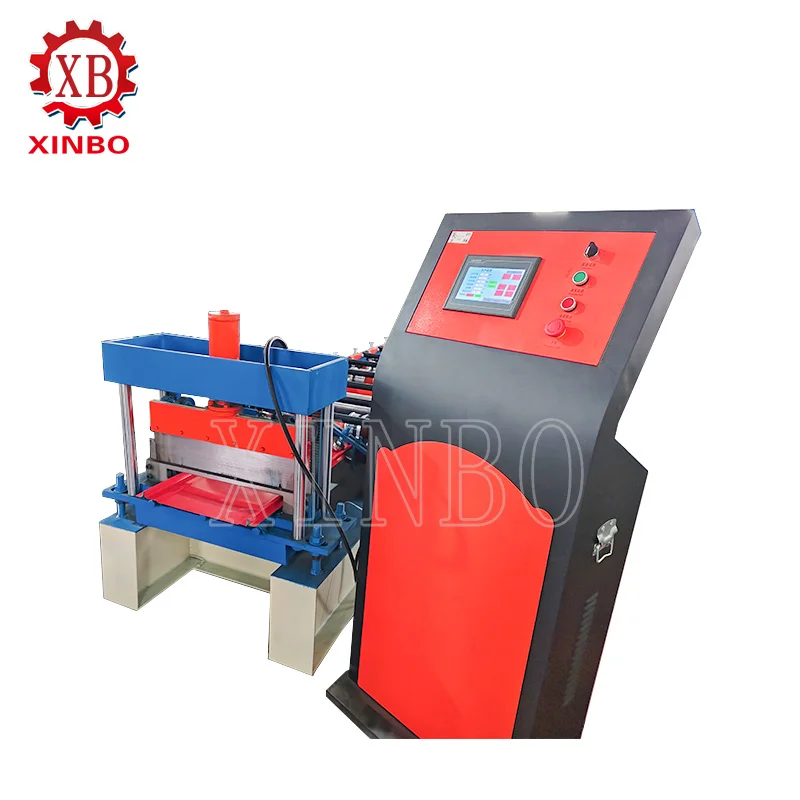
What Is a Snap Lock Standing Seam Roll Forming Machine?
A snap lock standing seam roll forming machine forms flat metal coil into standing seam roofing panels. The machine bends the material through multiple roller stations until the required snap lock profile is completed.
The finished panels are commonly used in metal roofing systems, architectural roofing projects, industrial buildings, and commercial building envelopes. The machine can support continuous production when the material, profile, and production settings are correctly matched.
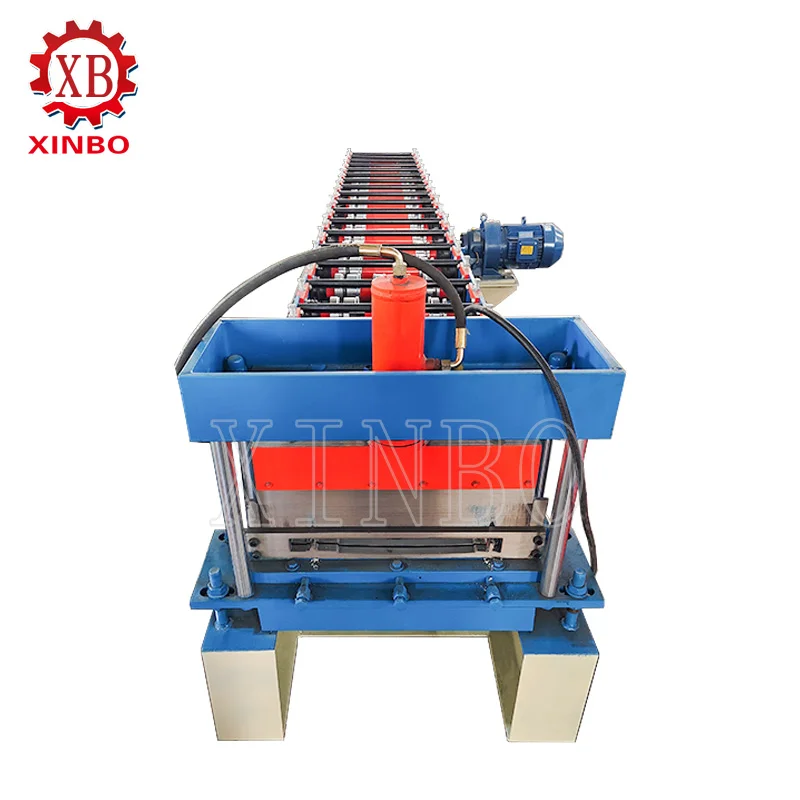
What Roof Panels Can the Machine Produce?
The machine can produce snap lock standing seam panels, concealed-fastener roofing panels, and custom metal roof profiles. The final panel depends on the approved drawing and roller tooling.
The panel design may include seam height, coverage width, flat pan area, rib structure, clip area, and locking edge. Each detail affects the machine configuration.
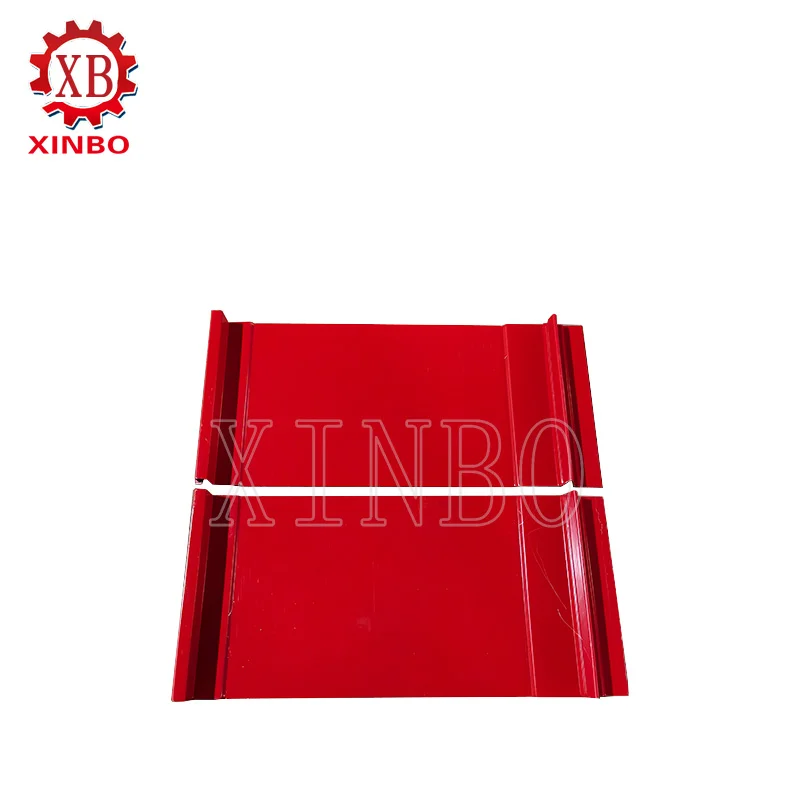
Why Does Snap Lock Panel Design Matter?
The snap lock structure allows adjacent panels to connect through a designed male and female locking shape. The lock profile must be accurate because it affects installation speed, panel engagement, roof appearance, and system stability.
A poorly formed lock can create loose engagement or difficult installation. The buyer should confirm the target panel structure before ordering the machine.
What Materials Should Buyers Confirm Before Purchasing?
The machine must match the actual metal coil used in production. The buyer should confirm material type, thickness, width, yield strength, coating, protective film, coil inner diameter, coil outer diameter, and coil weight before requesting a quotation.
A machine that works well for one material may not perform the same way with another material. The forming behavior of each coil affects speed, tooling design, and profile accuracy.
Which Materials Can Be Used for Snap Lock Standing Seam Panels?
A snap lock standing seam roof panel machine may process galvanized steel, color-coated steel, aluminum, copper, or other suitable metal coils. The exact material range depends on the machine design and the panel profile.
Galvanized steel can support strength and cost control. Color-coated steel can provide finished surface color. Aluminum can support lightweight roofing applications. Copper can support premium architectural surfaces.
Why Does Material Thickness Affect Machine Selection?
Material thickness affects roller pressure, shaft diameter, motor power, machine frame rigidity, forming speed, and cutting force. Thicker material usually requires stronger tooling and a more rigid structure.
The buyer should not assume that one machine can process every thickness range. The supplier should confirm the practical thickness range based on the profile drawing.
Why Does Coil Width Need to Match Panel Coverage Width?
The coil width is not the same as the finished panel coverage width. Part of the material width is used to form seam legs, locking edges, ribs, and side bends.
The buyer should confirm both coil width and finished panel width. This step helps prevent material mismatch and inaccurate project quantity calculations.
Why Does Surface Coating Need Extra Attention?
Color-coated coil, pre-painted coil, and decorative metal coil require careful surface protection. The finished roof panel surface should remain clean and free from scratches.
Roller surface quality, guide design, material handling, and cutting entry design can affect the final surface. The buyer should check sample panels before shipment.
Which Panel Profile Details Should Be Checked Before Ordering?
The panel drawing is the foundation of machine design. The drawing should guide roller tooling, station sequence, cutting method, machine width, and control settings.
A physical sample can also help the supplier confirm forming feasibility. The buyer should provide a sample when the drawing is incomplete.
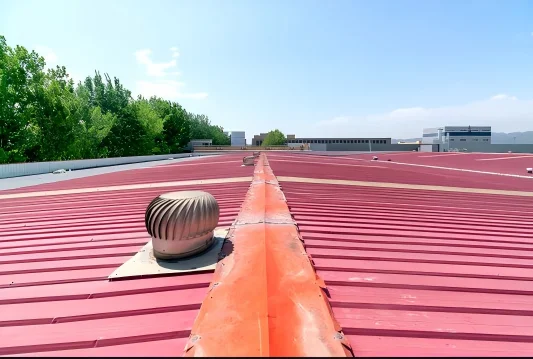
Seam Height
Seam height affects roof appearance, locking performance, material consumption, and roller design. A higher seam may require more forming steps and different tooling geometry.
The buyer should confirm seam height before quotation. The supplier should design the machine around the approved height.
Lock Shape
The lock shape controls how two panels connect. The lock profile should prevent loose engagement and reduce installation difficulty.
The buyer should check the lock shape with a sample panel or approved drawing. The machine should produce the same locking structure repeatedly.
Panel Coverage Width
Panel coverage width affects roof layout, project quantity calculation, coil selection, and machine design. The finished width should match the roofing system requirement.
The buyer should confirm whether the panel is designed for factory production, jobsite production, or project-specific supply.
Rib Design and Flat Pan Area
Rib design can improve panel stiffness and appearance. A rib can also help reduce visible waviness on a wide flat pan.
The flat pan area needs careful forming control. Panel flatness affects the visual quality of the finished roof.
Clip Area and Fastening Structure
The panel may need a clip area or fastening zone. The formed profile should match the intended roofing accessories and installation method.
The buyer should provide accessory details when the panel must match a specific clip or fastening system.
What Machine Specifications Should Buyers Compare?
The buyer should compare machine specifications based on panel profile, material thickness, production target, and factory conditions. The comparison should focus on stable performance rather than only the lowest price.
Important specifications include forming speed, roller stations, shaft diameter, frame rigidity, motor power, drive system, PLC control, and cutting method.
Şekillendirme Hızı
Forming speed affects daily output. Stable working speed is more important than maximum speed.
Material thickness, profile complexity, and cutting method can reduce actual production speed. The supplier should provide a realistic speed range.
Rulo İstasyonları
Roller stations gradually form the panel profile. A complex snap lock edge usually needs a well-designed forming sequence.
Too few stations may increase twisting, springback, or lock profile inaccuracy. A suitable station design helps the panel remain stable.
Mil Çapı
Shaft diameter affects forming pressure stability. A stronger shaft can support more stable forming when the machine processes thicker materials or complex edges.
The buyer should compare shaft diameter together with material thickness and profile difficulty.
Machine Frame Rigidity
Machine frame rigidity affects long-term production consistency. A weak frame can increase vibration and reduce profile accuracy during continuous production.
A stable frame helps the machine maintain repeatable panel dimensions.
Motor Power and Drive System
Motor power should match material thickness, forming speed, and profile difficulty. Insufficient power may cause unstable forming or machine overload.
The drive system should feed the metal smoothly through each roller station. Smooth feeding helps reduce panel defects.
PLC Control System
A PLC control system can manage panel length, quantity, speed, cutting timing, and fault alarms. A clear interface can reduce operator error during batch production.
The buyer should confirm language settings, electrical configuration, and operation logic before ordering.
Should Buyers Choose a Portable or In-Plant Machine?
Portable and in-plant machines serve different production models. The buyer should choose the machine type according to project length, transportation cost, factory space, and delivery method.
The production mode affects the whole machine configuration.
When Is a Portable Snap Lock Standing Seam Machine Suitable?
A portable machine is suitable when long roof panels need to be formed near the installation site. Jobsite forming can reduce the risk of transporting long panels.
A portable machine should match the local power supply, jobsite space, coil handling method, and panel collection method.
When Is an In-Plant Standing Seam Roll Forming Machine Suitable?
An in-plant machine is suitable for panel factories, building material suppliers, and metal sheet processors. Factory production can support batch orders, standard packing, storage, and distribution.
An in-plant line can also connect with other processes such as coil handling, labeling, sorting, and packing.
How Does Production Mode Affect Machine Configuration?
A portable machine usually focuses on mobility, compact structure, and site operation. An in-plant line usually focuses on output, automation, material handling, and stacking.
The buyer should not compare portable and factory machines only by price. The buyer should compare production purpose first.
Sık Sorulan Sorular
What Materials Can a Snap Lock Standing Seam Roll Forming Machine Process?
A snap lock standing seam roll forming machine may process galvanized steel, color-coated steel, aluminum, copper, and other suitable metal coils. The exact range depends on machine design, material thickness, and panel profile.
What Is the Difference Between Snap Lock and Mechanical Lock Standing Seam Panels?
Snap lock panels connect through a designed locking profile. Mechanical lock panels usually need an additional seaming operation. The buyer should confirm the target panel structure before ordering a machine.
XINBO'nun is a roll forming machine manufacturer and supplier that provides metal shaping machine solutions, roof panel roll forming machines, custom machine design, ODM/OEM service, technical drawing support, production, process quality inspection, and shipment coordination. İletişim XINBO to discuss machine design, quotation details, and custom production solutions for standing seam metal roofing panel manufacturing.
İlgili Yazılar

İyi kaliteli
XinBo makine yapma CO. LTD rulo şekillendirme makinesinde profesyonel bir üretici ve ihracatçıdır,
Daha Fazlasını Görüntüle→


 Turkish
  English
  Spanish
  Portuguese
  Arabic
  Russian
  French
  Dutch
Dutch  Swahili
  Serbian
  Romanian