espagnol
 Russie
How to Choose the Best Light Steel Keel Roll Forming Machine for Your Project
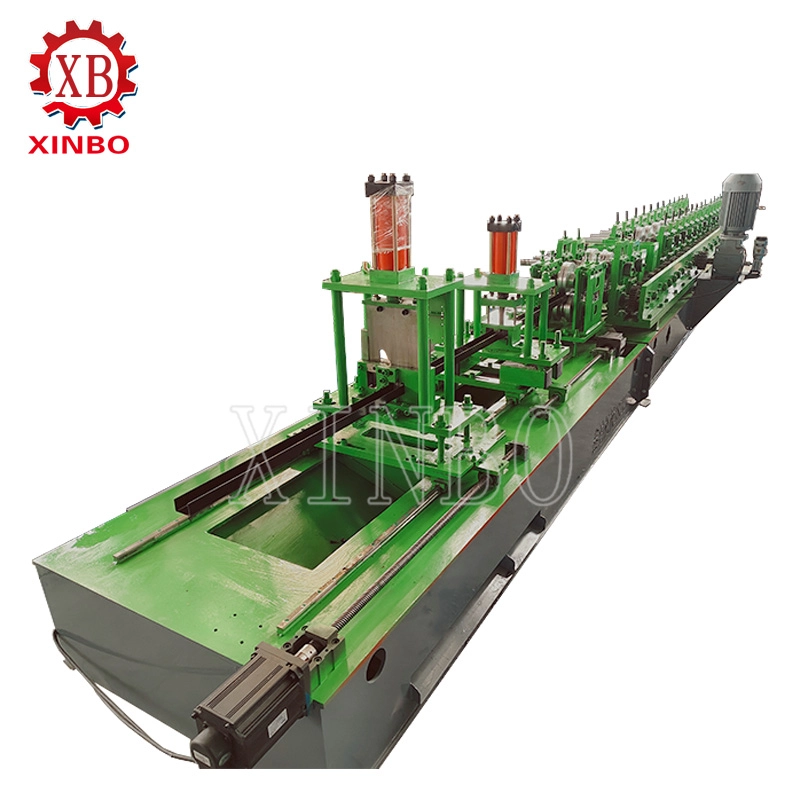
In today’s building projects that use drywall setups, hanging ceiling frames, inside walls, and light steel frames, a light steel keel roll forming machine serves as key production gear. This modern cold roll forming setup turns galvanized steel coils into exact shapes fast. These include C-section studs, U-shaped tracks, furring channels, omega hat sections, and edge angles. People in the field often call it a light keel roll forming machine or light steel keel making machine. It gives steady size matches, nice surface look, and strong build needed for current building work.
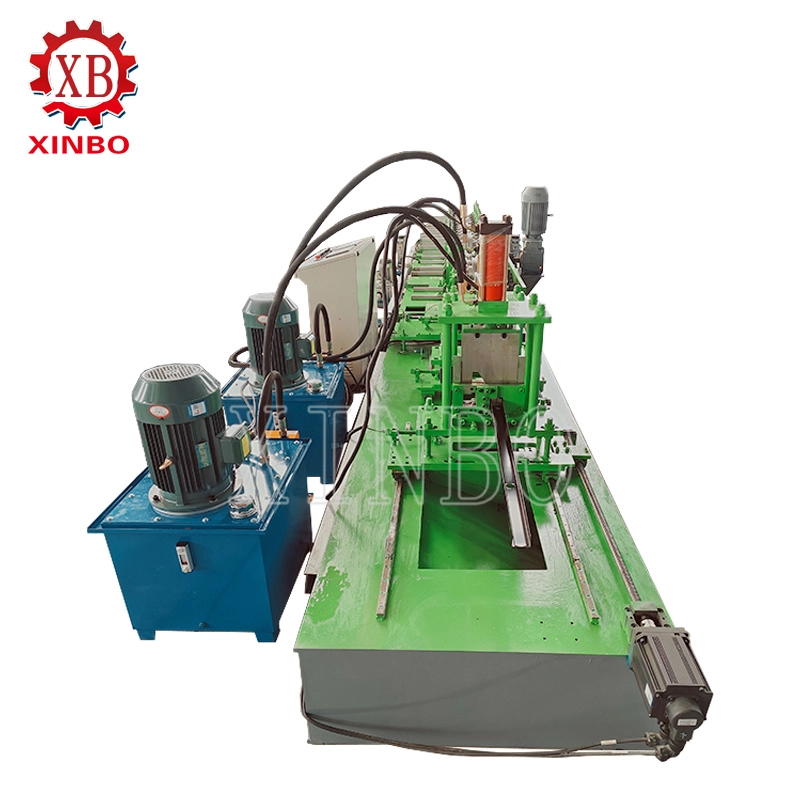
Picking the right keel forming machine affects how fast production runs, how well materials get used, and how good the final pieces turn out. This detailed guide looks at important tech and daily factors. It helps makers, builders, and shop owners find gear that fits their project size and work goals.
Understanding the Fundamentals of Light Steel Keel Roll Forming Machines
The main work uses step-by-step cold bending. Flat galvanized steel strips go through careful rollers one after another. This keeps the zinc layer safe and makes the material stronger from work hardening.
Core Components and Their Functions
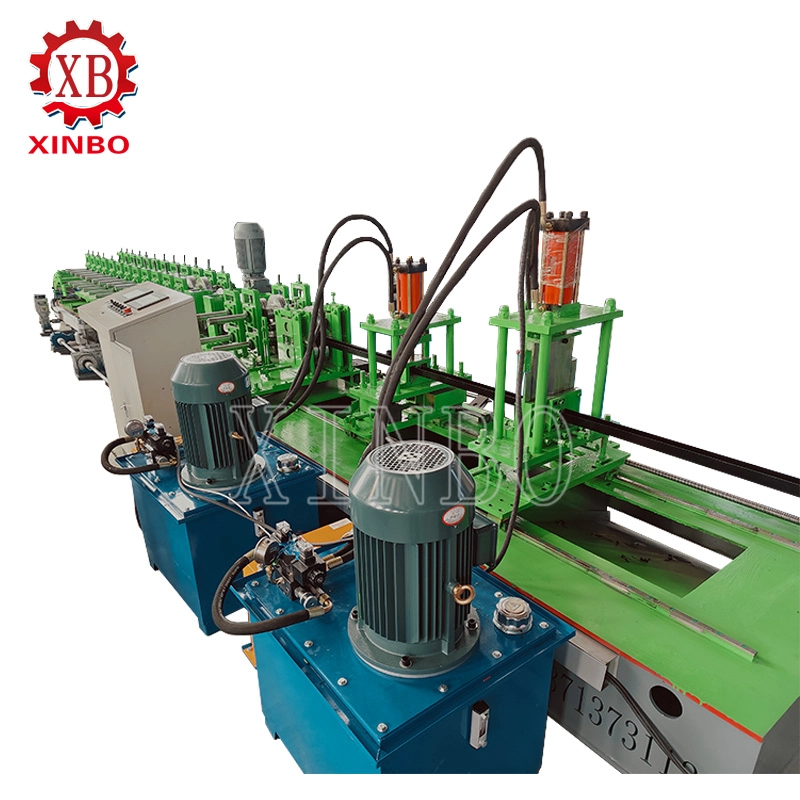
Good systems include these matched parts for steady work:
-
Decoiler System — Handles coil loading with sizes usually from 2 to 5 tons. It has auto expanding mandrels, hydraulic coil cars, and side sensors. These keep uncoiling smooth without harm to material.
-
Leveling and Feeding Mechanism — Multi-roller straighteners fix coil curve and leftover stress. Servo or air feeders move the strip exactly for good shape making.
-
Main Roll Forming Unit — Has 10 to 18 (or up to 20 for tricky shapes) stations. Hard tool steel rollers (Cr12MoV or similar, hardened to 58-62 HRC) sit on strong shafts (diameter 50-90 mm) for step-by-step forming.
-
Inline Processing Stations — Hydraulic or servo units punch holes for wires, add dimples, swages, and notches. Then precise cutting follows.
-
Control and Drive System — PLC with HMI touchscreen allows setting changes, auto batch runs, error checks, and speed control.
-
Output and Handling — Runout tables with auto stackers collect and bundle finished keels easily.
Heavy welded frames from high-strength steel (around 400 MPa) hold alignment under long work stress.
Common Profile Types and Material Specifications
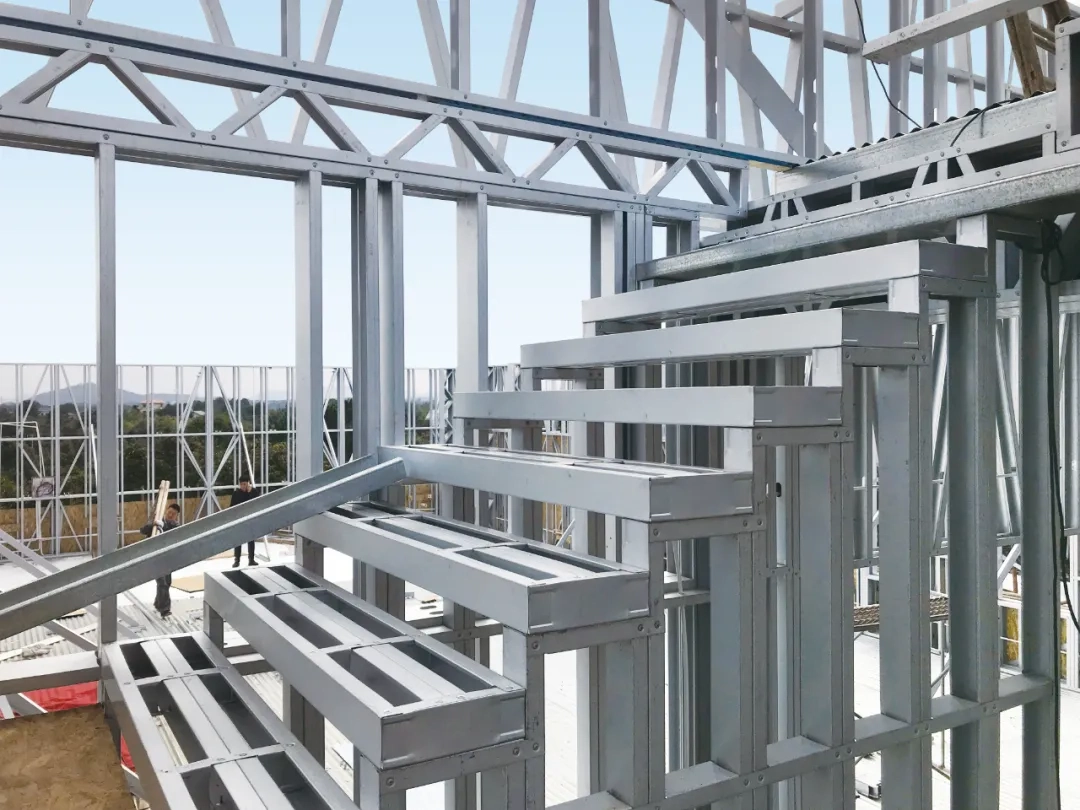
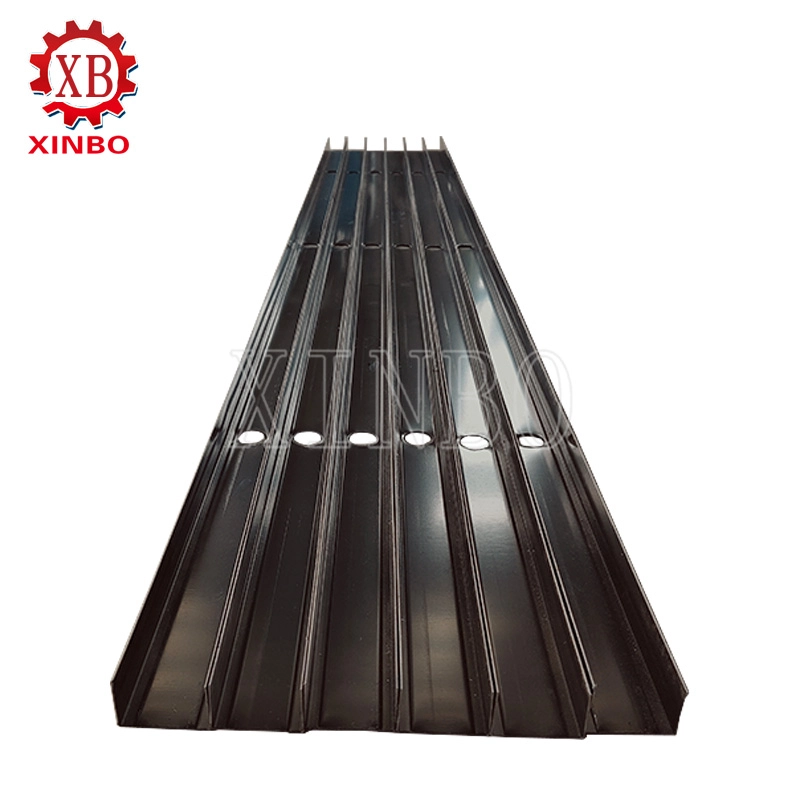
Usual outputs cover CD/UD ceiling channels, CW/UW wall framing parts, furring channels for drywall fixing, and special shapes like L-angles. Standard materials use hot-dip galvanized steel (DX51D+Z or G550 type, zinc coating Z120-Z275). Thickness runs 0.3-1.5 mm—most often 0.4-1.2 mm. Coil widths match the profile (e.g., 89 mm web for standard C studs).
The Roll Forming Process Step by Step
Production moves in a smooth, ongoing order:
-
Coil loads on the decoiler with tension control.
-
Strip feeds through leveling rollers to fix flatness.
-
Step-by-step bending happens across forming stations to reach the needed cross shape.
-
Inline punching and notching add useful features.
-
Hydraulic or servo cutting makes exact lengths.
-
Finished shapes come out and get stacked auto.
This way supports speeds of 20-50 m/min. Servo setups allow higher rates for simple shapes while keeping close tolerances.
Key Factors to Consider When Selecting a Light Steel Keel Roll Forming Machine
Check these points to make sure the gear meets long-term work needs.
Production Capacity, Speed, and Throughput Demands
Look at needed output amounts. Basic units give 15-30 m/min. Advanced light gauge steel keel roll forming machine models reach 35-60 m/min based on punching amount and shape hardness. Big shops gain from servo drive speed-up. It cuts cycle time without losing cut quality.
Material Compatibility, Thickness Range, and Coil Handling
Make sure it handles galvanized or galvalume coils in target thicknesses and strengths (up to G550). Adjustable roller gaps, strong main drives (7.5-15 kW), and anti-backlash parts fit changes. They stop shape flaws or coating harm.
Precision, Dimensional Tolerances, and Multi-Profile Versatility
Focus on machines that give length accuracy of ±0.5 mm and cross tolerances within ±0.3 mm. Strong frames, ground shafts, and good bearings help. Quick-change cassette systems or adjustable tools allow easy switches between studs, tracks, channels, and custom shapes on one line.
Automation Features, Control Systems, and Processing Integration
Smart PLC screens with saved settings, live checks, and auto size changes cut setup time. Servo punching and cutting beat old hydraulic types in position exactness (±0.2 mm), energy save (30-45% less use), and quiet run. They suit dense hole patterns well.
Build Quality, Component Durability, and Operational Safety
Look for heavy-duty build with thick side plates, central auto lube, and tough rollers. Key safety items include full guards, emergency stops, light curtains, and overload checks. These protect people during fast runs.
Energy Efficiency, Workshop Integration, and Scalability
Servo-electric setups drop power use compared to hydraulic ones. Compact sizes (usually 5.5-7 m long) fit many shop layouts. Future-ready designs allow added shapes or upgrades without full new buy.
Advantages of Investing in Advanced Light Steel Keel Roll Forming Technology
New gear brings big daily gains:
-
Better material use with very little scrap.
-
Even profile strength from controlled work hardening.
-
Quick change to fit different project needs.
-
Less hand work thanks to auto features.
-
Stronger final pieces against rust, fire, and weather.
These points speed project finish and support cheap growth.
Additional Steps for a Confident Purchase Decision
Ask for full tech papers, including roller drawings, material fit reports, and demo videos. Run test production with sample coils to check surface look, edge finish, and overall exactness. Look at suppliers that give OEM/ODM customization for special punching setups or shape tweaks.
FAQ (questions fréquentes)
What material thickness range is most common for these machines?
Most light steel keel roll forming machine models effectively process galvanized steel from 0.3 mm to 1.5 mm, with peak performance in the 0.4-1.2 mm range suited to standard drywall and ceiling systems.
How do servo-driven systems compare to hydraulic ones in punching and cutting?
Servo technology delivers superior precision, faster cycle response, lower energy consumption (up to 45% savings), and quieter operation, making it preferable for high-accuracy, frequent punching applications.
Is it possible for one machine to handle multiple keel profiles?
Advanced configurations with interchangeable cassettes or adjustable stations allow production of studs, tracks, furring channels, and additional shapes on the same equipment, enhancing versatility.
What influences actual forming speed in real-world operation?
Profile intricacy, punching frequency, material gauge, and drive type determine effective throughput; servo-equipped lines often exceed 40-50 m/min for straightforward profiles.
Why prioritize high-hardness roller materials?
Rollers hardened to 58-62 HRC resist abrasion from galvanized surfaces, sustaining profile consistency and extending service life over extensive production runs.
Ready to Elevate Your Light Steel Keel Production?
Selecting an appropriate light steel keel roll forming machine represents a foundational decision that enhances precision, throughput, and adaptability for demanding construction applications.
XINBO, established in 2014 and based in Botou industry park, Cangzhou city, Hebei Province, China, focuses on premium roll forming solutions, including specialized lines for stud and track systems, furring channels, rail channels, and related light keel profiles. As a dedicated manufacturer offering comprehensive OEM/ODM capabilities, XINBO provides custom-engineered equipment meeting international certifications (UL, TUV, CE, among others), complete with professional installation assistance, operator training programs, and dependable spare parts availability.
Reach out to the XINBO technical team at serena@cnXINBO.net for individualized consultations, profile design support, detailed proposals, or customized production strategies aligned with your precise requirements.
Articles connexes
+

Bonne qualité
XinBo machine faisant CO. LTD est un fabricant professionnel et exportateur dans la machine de formation de rouleau,
Voir plus→


 French
  English
  Spanish
  Portuguese
  Arabic
  Russian
  Dutch
Dutch  Turkish
  Swahili
  Serbian
  Romanian