Espanhol
 Rússia
What Should You Consider Before Buying a 4 Layers Roof Roll Forming Machine
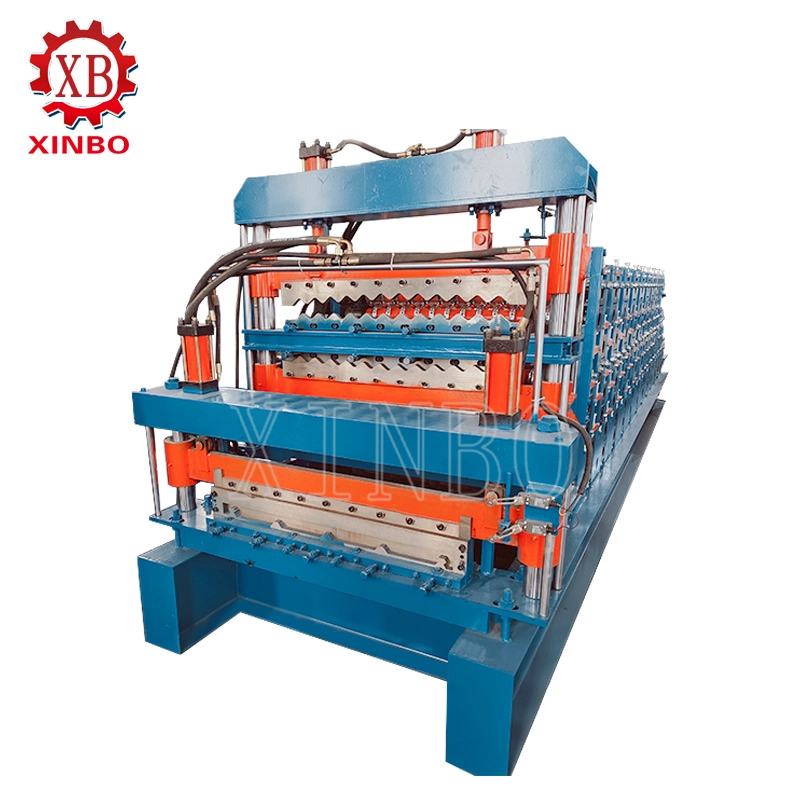
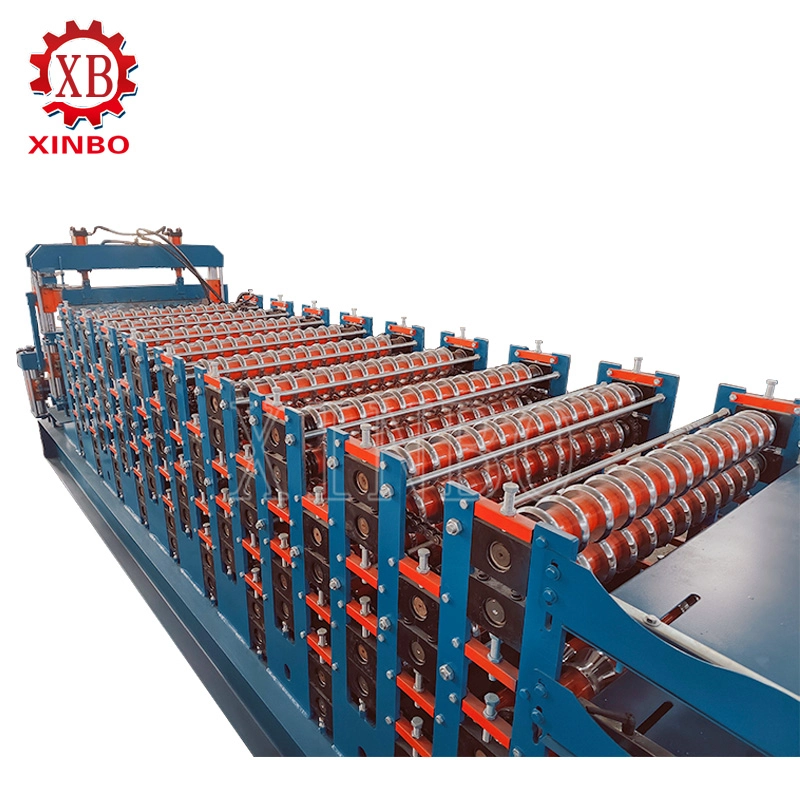
A 4 layers roof roll forming machine—often called four-layer roof panel forming machine, multi-layer roofing sheet equipment, or four-in-one roof profile production line—provides great efficiency. It stacks four separate forming levels inside one small structure. This smart setup lets the machine make different roofing profiles easily. These include corrugated waves, trapezoidal ribs, glazed tiles, and IBR styles. The materials can be PPGI, galvanized steel, galvalume, or aluminum coils. Quick switches between layers cut down idle time. It also takes up less space in the factory than several single-profile machines. Plus, it handles flexible, mixed production well for homes, businesses, factories, and farms.
A close look at main points helps make sure the machine fits production needs, material types, and future growth. The parts below give detailed advice based on common industry rules and real experience.
What Is the Production Capacity of a 4 Layers Roof Roll Forming Machine?
Matching output to demand prevents under- or over-investment.
How Fast Can a 4 Layers Roof Roll Forming Machine Operate?
Line speeds usually range from 8-25 meters per minute. Simple profiles like basic corrugated or low-rib trapezoidal reach 15-25 m/min. However, complex ones like stepped glazed tiles or high-rib styles drop to 8-12 m/min. The reason is extra roller steps and the need for careful forming. Strong chain or gearbox drives work with 11-15 kW (or more) main motors. They keep steady speed even when loads change.
What Daily Output Should You Expect from a Multi-Layer Roof Panel Machine?
During normal 8-hour shifts, daily output falls between 3,000-12,000 linear meters. This figure includes time for loading coils, changing profiles (10-30 minutes with hydraulic help), and short stops. Features like automatic stackers and servo cutters raise real output. They reduce the need for hand work.
Which Materials Work Best with a 4 Layers Roof Roll Forming Machine?
Proper material matching avoids defects and prolongs component life.
What Thickness Range Supports Reliable Forming in a Four-Layer Roof Sheet Equipment?
Most models handle coil thicknesses from 0.3-0.8 mm. Thinner ones (0.3-0.5 mm) fit light, nice-looking panels. Thicker ones (0.6-0.8 mm) give strong support for roofs that carry weight. Adjustable gaps between rollers and exact setup stop problems like wavy edges, cracks, or oil-canning across different thicknesses.
Which Coil Types and Widths Are Compatible with Multi-Layer Roofing Sheet Machines?
Input widths often go from 1000 mm to 1250 mm. After forming, cover widths become 800-1100 mm. Common materials are color-coated steel (PPGI/PPGL), galvanized, galvalume, and aluminum. Coils with high yield strength (>350 MPa) need good roller materials such as Cr12Mov (HRC 58-62) plus chrome plating. These fight wear and keep surfaces smooth.
How Versatile Are the Profiles on a 4 Layers Roof Roll Forming Machine?
The multi-layer design stands out for profile variety. That is a big reason people choose it.
Can a 4 Layers Roof Roll Forming Machine Produce Different Roofing Profiles Easily?
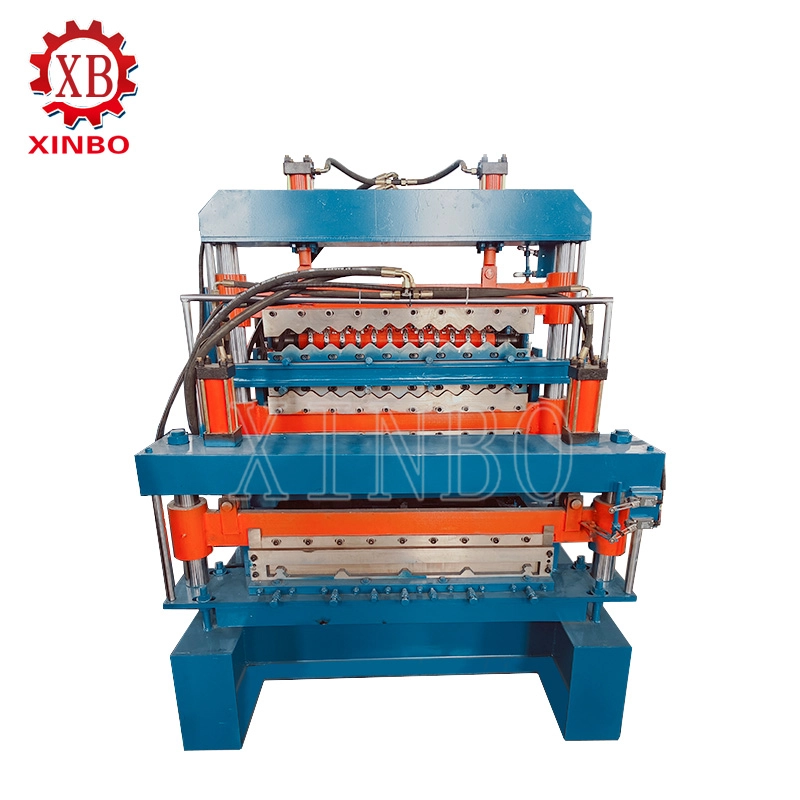
Each layer sets up for one specific profile. So the machine makes four different types without complete retooling. Typical setups have one layer for sinusoidal or wavy corrugated (5-7 waves). Another handles trapezoidal/ribbed (4-7 ribs, like TR4/TR5 or similar industrial trough styles). One more does glazed Roman or classic tile steps. The last one covers IBR (Inverted Box Rib) or high-rib types. Hydraulic or mechanical shifting changes layers in just minutes. Feed alignment and the control panel make the switch simple.
What Specific Profile Types Can a Four-Layer Roof Panel Forming Machine Produce?
Common profiles on the layers include:
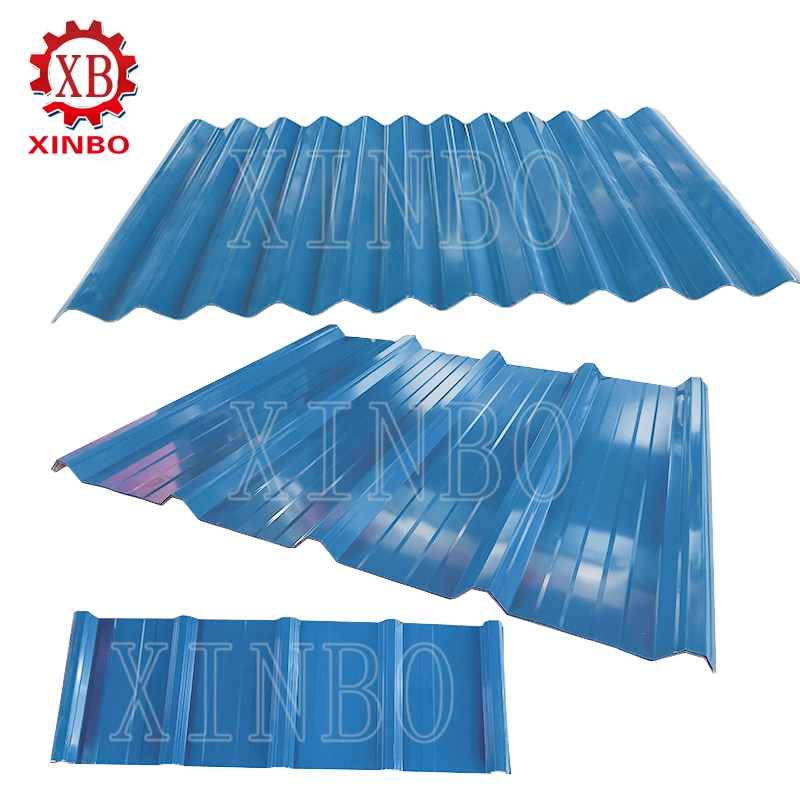
- Corrugated profiles: Sinusoidal waves (e.g., 5-wave, 7-wave) for cheap, light roofing. They allow good water flow.
- Trapezoidal/ribbed profiles: 4-rib, 5-rib, or high-rib designs (e.g., TR4/TR5 styles common in places like South America or Africa). These give better strength with less weight and handle heavy loads.
- Glazed tile profiles: Stepped Roman, classic, or modern tile copies. They look nice for home use.
- IBR or similar box-rib profiles: Inverted shapes for strong wind resistance and neat appearance in business or factory settings.
OEM/ODM services allow custom layers. They match local needs, like high-drainage trapezoidal for wet areas or bead-embossed ones for extra strength.
What Build Quality Matters in a 4 Layers Roof Roll Forming Machine?
Industrial-grade construction ensures reliability under continuous use.
How Strong Should the Frame Be on a Multi-Layer Roof Sheet Roll Forming Machine?
Choose welded H-beam frames (300-400 mm) or thick plate wallboard types. They resist shaking and hold alignment. The whole machine weighs 8-15 tons. That extra weight helps stability during fast, multi-layer work.
What Roller and Shaft Specifications Ensure Longevity in a Four-Layer Roof Forming Equipment?
Each layer has 18-25 stations. Shafts are solid (70-90 mm diameter, 45# steel or 40Cr). Rollers are ground precisely and get heat treatment plus hard chrome. These features stop bending. They also keep panel shapes steady over many thousands of meters.
Which Control and Automation Features Improve a 4 Layers Roof Roll Forming Machine?
Advanced electronics elevate precision and usability.
How Advanced Should the PLC System Be in a 4 Layers Roof Roll Forming Machine?
Touch-screen PLCs (Delta, Siemens equivalents) use encoder feedback. They reach ±1-2 mm length accuracy. The system includes batch setup, layer/profile choice, fault checks, and VFD speed adjustment for different materials.
What Safety and Hydraulic Components Are Essential for Multi-Layer Roofing Panel Machines?
High-pressure hydraulic stations (reliable pumps, proportional valves) power cutting and adjustments. Key safety items include emergency stops, locked guards, light curtains, and overload guards.
How Much Space and Installation Does a 4 Layers Roof Roll Forming Machine Require?
Proper planning avoids workflow issues.
What Are the Typical Dimensions of a Four-Layer Roof Sheet Making Machine?
The line stretches 10-15 meters long, 1.5-2 meters wide, and 2-2.5 meters high (due to stacked layers). Extra room is needed for the decoiler, 6-12 meter run-out table, and coil storage.
What Foundation and Power Setup Supports a Multi-Layer Roof Panel Forming Machine?
A flat concrete base with anchors stops sinking. Power supply is 380V/50Hz/3-phase (15-30 kW total). It can adjust to local voltage standards.
A full review of capacity, materials, profiles, build, controls, and setup prepares the operation for strong results with a 4 layers roof roll forming machine.
FAQ
Why choose a 4 layers roof roll forming machine for varied production?
It puts four profiles into one unit. This cuts space use by up to 70% and allows quick changes for different client needs.
How do different profiles influence forming speed?
Flat corrugated runs fastest. Stepped glazed or deep-rib trapezoidal types go slower because of more complex steps.
Can embossing or punching integrate into layers?
Yes—custom layers allow embossing, pre-punching, or film adding along with main forming.
What length precision is achievable?
±1-2 mm is standard. Encoder systems and strong frames make this possible.
How critical is supplier commissioning and training?
Very important—on-site setup and operator training lead to fast start and few problems.
Ready to Invest in a Reliable 4 Layers Roof Roll Forming Machine?
Xinbo, situated in Botou industry park, Cangzhou city, Hebei Province, China, draws on more than 10 years as a focused manufacturer of roll forming solutions, including sophisticated multi-layer roof panel machines. As an expert factory delivering OEM and ODM customization, XINBO prioritizes engineering accuracy, comprehensive quality checks, and client-specific adaptations for optimal roofing profile versatility.
To review technical details, explore profile customizations, or obtain engineering recommendations for a 4 layers roof roll forming machine suited to the factory, contact the XINBO team at serena@cnxinbo.net. Their specialists stand ready to guide toward better production efficiency—connect today to raise roofing output.
Postos relacionados

Boa qualidade
A máquina XinBo que faz CO. LTD é um fabricante profissional e exportador em máquina de formação de rolos,
Vê mais→


 Portuguese
  English
  Spanish
  Arabic
  Russian
  French
  Dutch
Dutch  Turkish
  Swahili
  Serbian
  Romanian