Espanhol
 Rússia
Austria Style Shutter Door Roll Forming Machine Features & Advantages
The Austria style máquina de formação de rolos de portas de encerramento serves as specialized industrial equipment built for making high-quality rolling shutter door slats with exact geometric shapes. Many experts look up phrases such as “Austria shutter door roll forming machine” or “Austria rolling shutter door machine.” They want equipment that can produce curved, interlocking profiles. These profiles offer better strength, quieter running, and excellent winding ability. The machine changes flat metal coils—like galvanized steel or color-coated sheets—into steady curtain profiles. These fit well for industrial, commercial, and residential shutter systems.
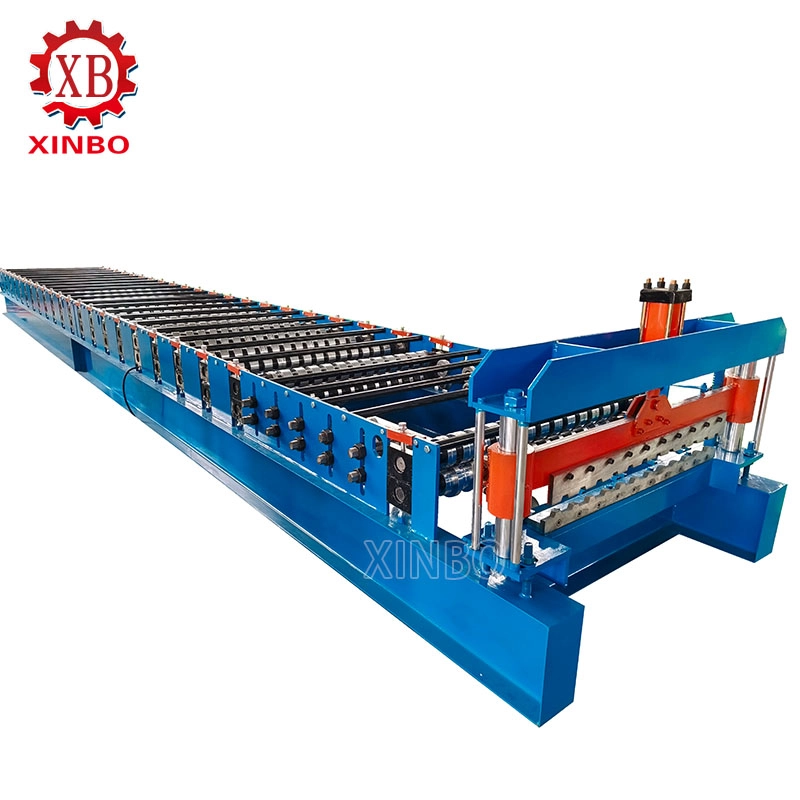
The Austria style profile differs from basic slat shapes. It includes particular curves, arcs, and interlocking edges. These features allow smooth coiling and strong panel support. Such traits make the Austria style profile popular in markets that value good shutter door function, tight sealing, and long service life.
Understanding the Austria Style Shutter Door Profile
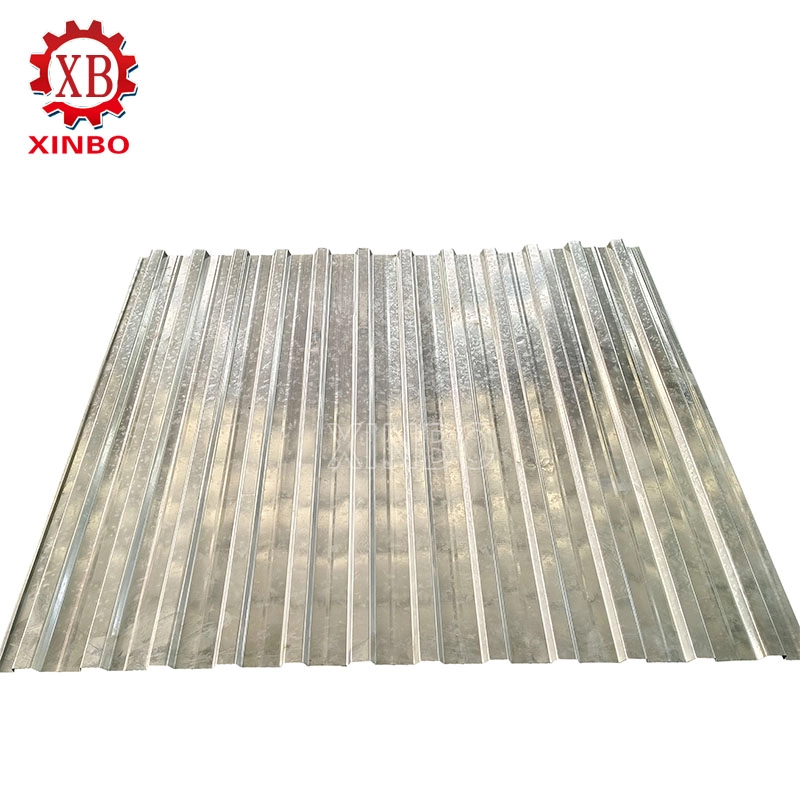
The Austria style shutter door profile shows a certain kind of panel shape for rolling shutter doors. It varies from old flat or corrugated slats. This happens because it has carefully designed curves and interlocking edges. These improve how slats connect and help tighter winding on the drum shaft.
What Defines an Austria Shutter Door Profile
An Austria style shutter profile usually has single-skin or sometimes double-skin slat parts with a set arc radius. The curve lowers friction while coiling. It also boosts structural strength and cuts down on extra spaces between slats. The interlocking edges form with great care. They guarantee firm connection in both opening and closing actions.
The usual profile output covers these points:
- Slat widths around 77–90 mm depending on design requirements.
- Material thickness ranging from 0.3 mm for lighter doors up to 1.2 mm for heavy-duty systems.
- Materials including galvanized steel, pre-painted steel, and occasionally lightweight aluminum.
Engineers create these profiles so each slat glides easily with the next one. This action cuts noise and lifts overall shutter performance.
Core Components of an Austria Style Shutter Door Roll Forming Machine
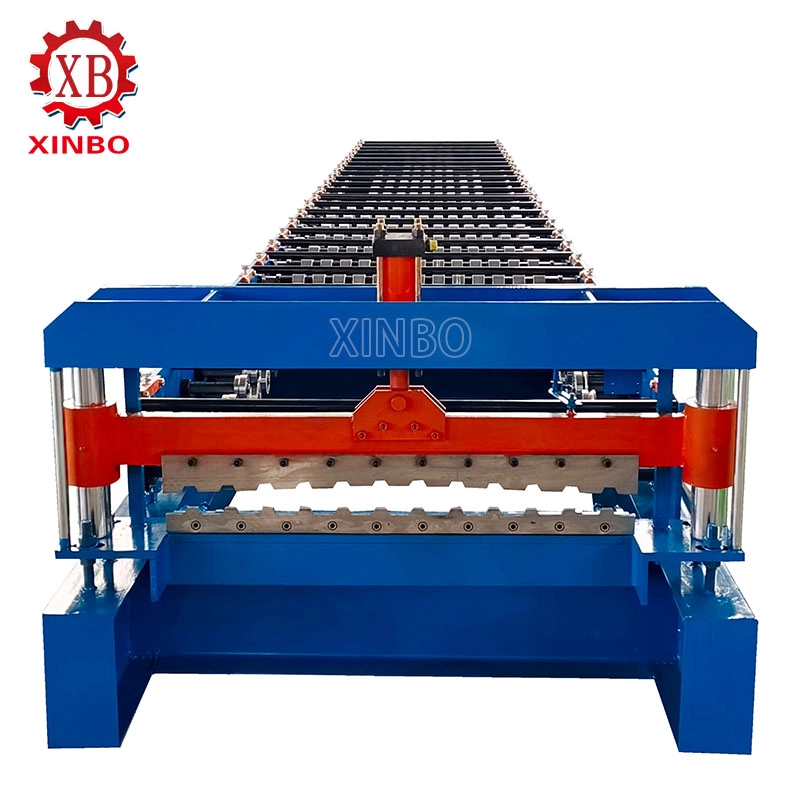
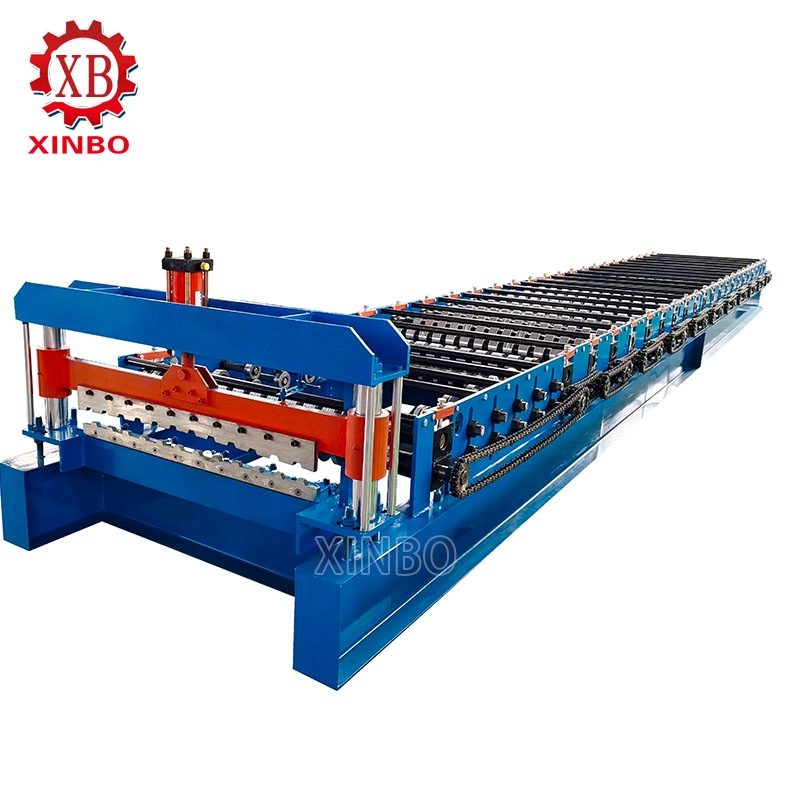
A full Austria style máquina de formação de rolos de portas de encerramento contains several linked parts. Every part handles an important task. It turns raw material coils into ready shutter slats.
Decoiler and Feeding Mechanism
The decoiler keeps the metal coil in place. It unwinds the coil in a steady way into the feeding system. This part can work manually or with hydraulic power. It usually handles up to 5 tons. The unit accepts coils with inner diameters from 480–530 mm and outer diameters up to 1250 mm. A good feeding setup uses accurate guides and straightening rollers. These make sure flat material goes into the forming line without any bends.
Secção de Formação de Rolos
The main forming area holds many roll stations—often 12 to 20. They sit in a step-by-step order. The rollers slowly shape the incoming strip into the desired Austria profile form. High-precision rollers come from 45# steel. They carry a 0.05 mm chrome coating to fight wear and keep very close forming limits. The shaft diameter often falls between 70 mm and 75 mm. This setup gives firmness and steady work under pressure.
Punching and Perforation Options
Some machines add in-line punching stations before the forming step. These create ventilation holes or perforations in the shutter slats. The stations work so punching and flanging finish without hurting the structural profile. No extra steps become necessary.
Hydraulic Cutting System
A careful hydraulic cutter finishes the production process. The system relies on tough blades like Cr12 steel after quenching treatment. This allows clean cuts without burrs and exact length sizes (often ± 1 mm). Hydraulic cutting sometimes uses flying shear setups. These support ongoing high-speed work.
Sistema de Controlo
The control system features an advanced PLC (Programmable Logic Controller) together with a touch screen HMI (Human-Machine Interface). Operators input settings like slat length, batch numbers, and production pace right on the screen. Many setups give automatic counting, length checks through encoders, and fault alerts.
Run-out Table and Stacking System
Finished profiles move onto a run-out table or automatic stacking unit. This method collects slats in an organized way for packing or next steps. It helps smooth the workflow and avoids hold-ups.
Advanced Technical Features and Performance Advantages
Austria style shutter door roll forming machines receive careful engineering. They provide accuracy, toughness, and adaptability.
Precision Engineering and Roll Quality
Roll forming precision in these machines commonly hits tolerances of ± 0.3 mm for key profile sizes. Advanced roll tool patterns—sometimes based on finite element analysis—lower stress on material. They also make sure every profile keeps steady shape.
High Production Capability
Production speeds change with the model. Standard ones run between 8 m/min and 20 m/min. Top lines go higher, above all with flying cutters for steady non-stop work.
Versatilidade Material
Current machines handle various materials such as galvanized steel, color-coated steel, and aluminum. They need few changes. Dual-use setups let operators switch profile kinds with little stop time.
Automated and Intuitive Control
PLC systems with built-in HMIs give exact control over forming settings. They handle automatic length figuring and batch runs. This cuts down on hand measurements. It also raises production steadiness.
Enhanced Functional Subsystems
Some Austria style rolling shutter door lines add extra subsystems. These improve flexibility and ease of making.
Profile Changeover Systems
Quick-change mold or cassette platforms let operators switch roll sets or tooling dies fast. This shortens time when changing profile widths or designs. It boosts overall output options.
Multi-Width and Pattern Options
Certain machines allow adjustable output widths and pattern rollers. These permit custom texture or nice finishes on the shutter slats. Such features often join the forming system without much extra work.
Benefits of Using an Austria Style Shutter Door Roll Forming Machine
The Austria style shutter door roll forming machine brings clear benefits over manual or press-based shutter making.
Consistent, Uniform Output
Roll forming creates even slat profiles with little difference. This makes doors fit together exactly. They run smoothly without jams or light leaks.
High Material Utilization
Continuous roll work lowers waste material. It uses costly galvanized or pre-painted coil stock in the best way.
Reduced Labor Requirements
Automated feeding, cutting, and forming decrease manual work needs. This drops production costs and raises work efficiency.
Customization for Diverse Applications
A flexible roll forming machine accepts various slat forms, thicknesses, and extra items like perforations or decorative embossing. It matches particular building needs.
Typical Applications of Austria Style Roll Formed Shutter Doors
Austria style shutter doors appear in many places. These include:
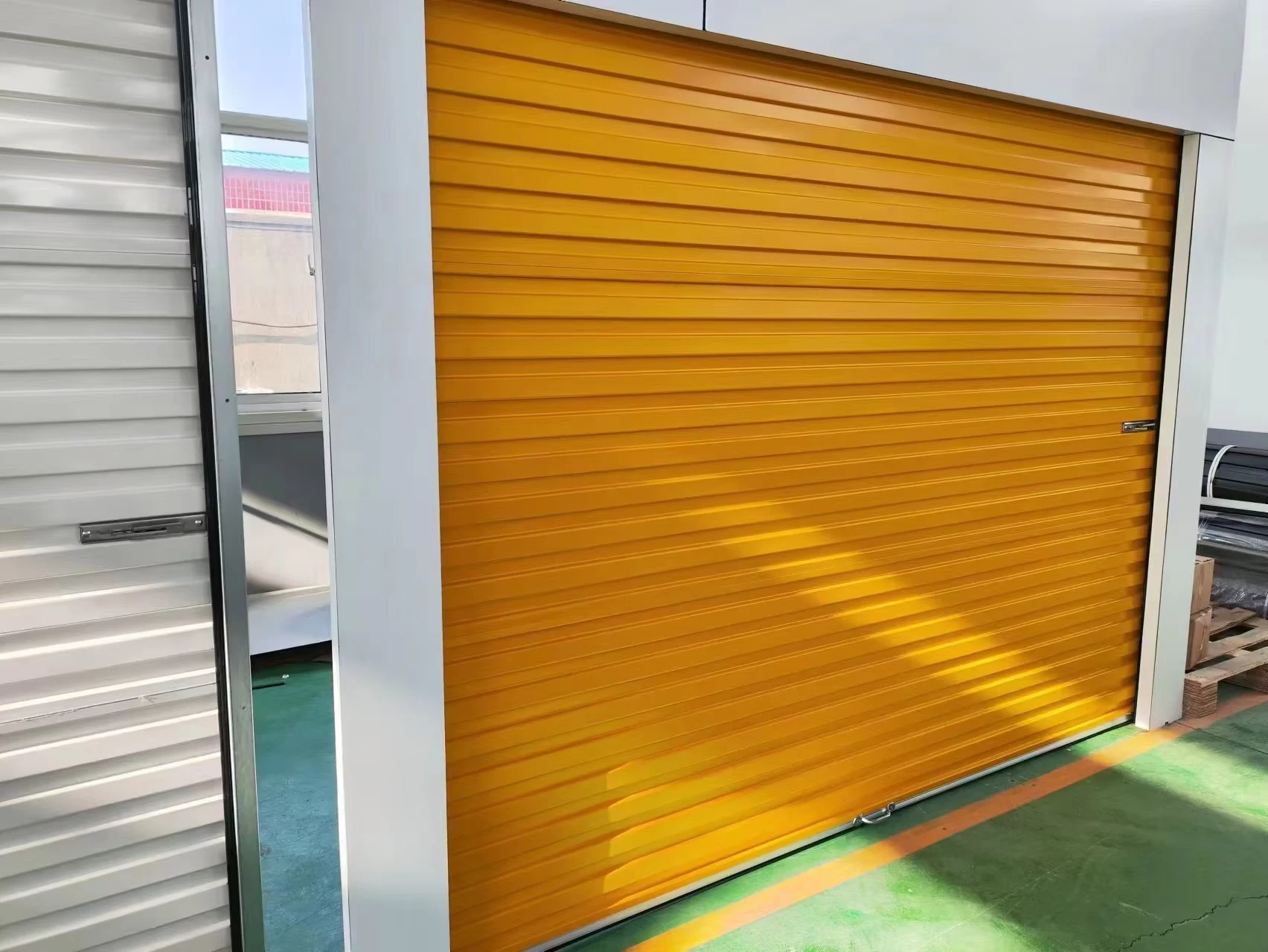
- Security roller shutters for shops and storefronts where appearance and smooth operation matter.
- Industrial gates and warehouse closures requiring durable and high-strength panels.
- Residential garage doors that demand quiet winding and aesthetic curves.
- Architectural applications such as perforated or patterned slats for ventilation or decorative features.
The Austria style machine offers great flexibility. It lets manufacturers serve these different areas well.
Frequently Asked Questions (FAQ)
What materials can an Austria style shutter door roll forming machine process?
These machines can process galvanized steel, pre-painted steel, and aluminum coils with thicknesses commonly between 0.3 mm and 1.2 mm.
How precise is the forming process in an Austria shutter door roll forming machine?
Precision roll forming and high-grade rollers ensure profile geometry is consistent, with critical dimensions held within tight tolerances.
What is the typical production speed?
Standard machines operate at 8–20 m/min, while advanced lines with flying shear can exceed this range.
Can the machine be customized for different profiles?
Yes, many machines support quick tooling change systems or multi-width capabilities to produce customized slat profiles.
What are the control capabilities of modern machines?
Modern systems use PLC and touch-screen HMI interfaces for automatic length setting, batch control, material monitoring, and diagnostic functions.
Ready to Elevate Your Production with an Austria Style Shutter Door Roll Forming Machine?
Xinbo excels in manufacturing premium roll forming equipment, including specialized shutter door machines engineered for precision and durability. The company emphasizes in-house production, professional design expertise, ODM capabilities, and adherence to international standards such as CE certification. XINBO supports efficient delivery and comprehensive after-sales support.
Contact XINBO today at serena@cnxinbo.net or reach out to their experienced engineering team for consultations, customized solutions, or to explore how an Austria style shutter door roll forming machine can enhance your manufacturing operations.
Postos relacionados

Boa qualidade
A máquina XinBo que faz CO. LTD é um fabricante profissional e exportador em máquina de formação de rolos,
Vê mais→


 Portuguese
  English
  Spanish
  Arabic
  Russian
  French
  Dutch
Dutch  Turkish
  Swahili
  Serbian
  Romanian