Espanhol
 Rússia
PU Roll Shutter Door Machine FAT: Accuracy, Foam & Output
A Factory Acceptance Test (FAT) is the buyer’s opportunity to verify a PU roll shutter door roll forming machine before shipment. The test should confirm that the line follows the approved profile drawing, produces properly filled PU-insulated slats, and achieves a stable level of saleable output under agreed production conditions.
For a meaningful FAT, buyers should test the complete production sequence rather than inspect individual machine sections separately. The decoiler, roll forming stations, PU injection system, curing section, measuring unit, cutting system, control panel, and discharge table must work together as one production line. This guide explains the main acceptance criteria for a PU shutter door machine and the records buyers should request before signing off.
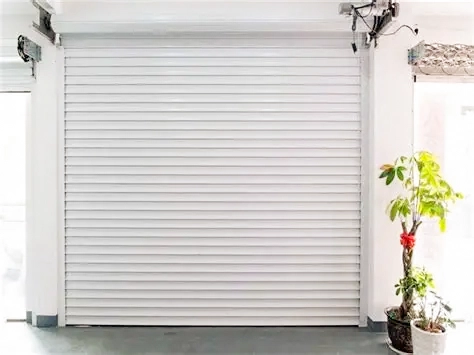
What Does a Factory Acceptance Test Prove?
A FAT verifies whether the completed equipment matches the technical agreement between the buyer and supplier. It is not simply a visual inspection of the machine frame or electrical cabinet. The test should use the intended material, profile, foam specification, and production settings whenever possible.
For a PU roll shutter door forming line, the FAT should answer five practical questions:
- Does the machine form the specified shutter slat profile?
- Do the interlocking edges assemble correctly?
- Does the PU foam fill the cavity consistently?
- Can the line cut acceptable slats to the required lengths?
- Can it maintain stable output after setup and adjustment?
The agreed test plan should define the material, coil dimensions, profile drawing, foam requirements, sample quantity, trial duration, measuring tools, acceptable tolerances, and procedure for handling deviations. These details should be confirmed before the test begins, not negotiated after the production trial.
Buyers comparing complete equipment can also review the PU roll shutter door forming machine product information to understand the type of line being evaluated.
Prepare the FAT Before the Machine Runs
A successful FAT starts with documents and samples. The buyer should send the supplier the latest approved profile drawing, material specification, target slat length, and expected production conditions. If the machine will produce more than one profile, each profile should have a separate acceptance requirement.
The following information should be agreed in writing:
- Metal type, grade, coating, width, and thickness
- Slat height, developed width, hook geometry, and corner radius
- Foam type, target density, cavity dimensions, and filling requirements
- Finished length and length tolerance
- Required control functions and production counting method
- Electrical supply, compressed air, and other factory utilities
- Sample quantity and test duration
- Rules for retesting, correction, and final acceptance
The buyer should also prepare calibrated or agreed measuring tools. A tape measure may be suitable for overall length, but profile height, width, hook engagement, and foam distribution may require calipers, gauges, scales, or section-cutting tools. The test team should record the measurement method so that both parties evaluate samples consistently.
A supplier’s general purchasing advice may cover selection criteria, while this FAT focuses on how to verify the finished line. Buyers can use the PU machine selection guide as a pre-order reference, then apply the acceptance criteria below after the equipment is assembled.
Verify Profile Accuracy and Interlocking Geometry
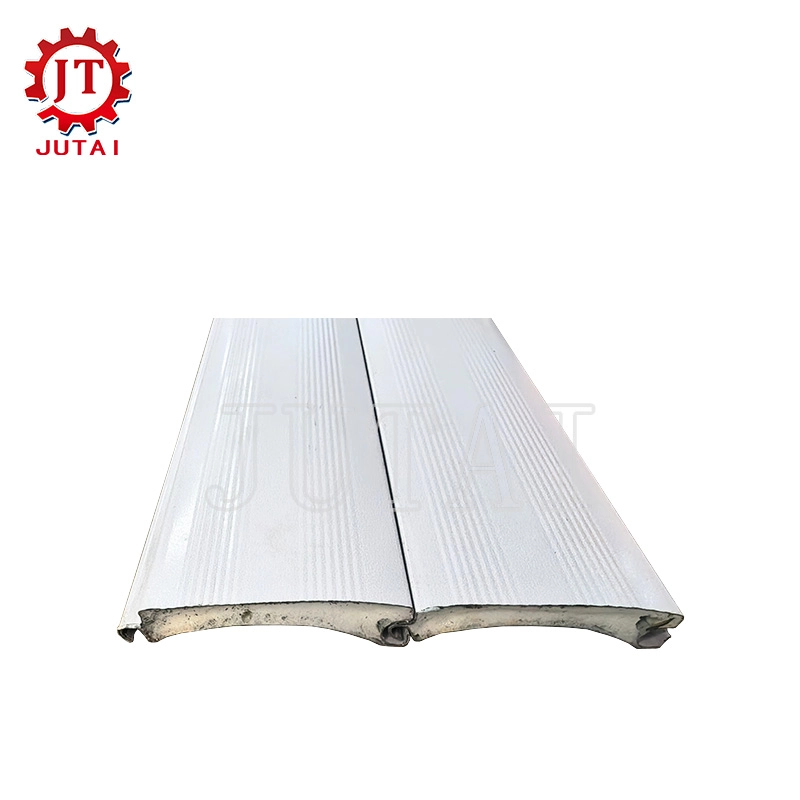
Profile accuracy is the first major FAT category because an incorrect cross-section can affect door assembly, curtain movement, appearance, and installation. The test should inspect slats from the beginning, middle, and end of a continuous production run. One acceptable sample is not enough to demonstrate repeatability.

Measure the main profile dimensions against the approved drawing:
- Overall slat height and developed width
- Metal skin alignment and symmetry
- Hook or interlocking edge dimensions
- Cavity width and position
- Straightness, twist, bow, and edge waviness
- Cut length and end deformation
- Surface marks, scratches, wrinkles, and coating damage
The slats should also be assembled into a short curtain section. This practical check can reveal problems that are difficult to identify with a single profile. The hooks should engage without excessive force, gaps should remain within the agreed limit, and adjacent slats should move without abnormal binding.
The supplier should explain which forming stations control the critical dimensions and how adjustments are made. If the line uses different roller sets or settings for multiple profiles, each configuration should be tested separately. A machine that produces one acceptable profile does not automatically prove that every proposed profile is ready for production.
For background on the complete forming sequence, buyers can review how the roller shutter door roll forming process works before preparing their inspection checklist.
Check PU Foam Filling, Adhesion, and Curing
PU foam quality should be inspected together with the metal profile. A slat may look accurate from the outside while still having incomplete filling, uneven density, poor adhesion, or an off-center foam core.
During the FAT, the buyer should request samples from different points in the run. Sectioning selected slats can help reveal:
- Voids or unfilled areas
- Uneven foam distribution
- Off-center foam placement
- Weak adhesion to the metal skins
- Surface collapse or excessive expansion
- Inconsistent foam weight between samples
The foam system should also be checked for controlled metering and mixing. The supplier should identify the operating range for component flow, temperature, pressure, and ratio, while the foam-material provider should confirm whether those conditions match the selected formulation. These values may vary according to the PU chemistry, cavity design, metal material, line speed, and ambient conditions.
A useful FAT record should include the sample number, production time, slat dimensions, foam weight, visible filling condition, and any section inspection result. If density or adhesion is part of the purchase requirement, the test method and tolerance should be stated before the trial.
The buyer should avoid approving foam quality based only on a demonstration sample. The more reliable approach is to inspect several consecutive samples after the line has reached stable operating conditions.
Confirm Stable Saleable Output
Maximum machine speed is not the same as saleable production capacity. A line may run quickly without producing slats that meet profile, foam, cut-length, or surface requirements. FAT output should therefore be based on accepted products rather than empty running or short demonstration cycles.
The test should record:
- Setup and adjustment time
- Stable forming and foaming speed
- Coil changes and material losses
- Number of produced slats
- Number of accepted slats
- Rejected or reworked pieces
- Cutting interruptions and alarms
- Operator interventions during the trial
A practical calculation is:
Saleable output = accepted slats ÷ net production time
Net production time should exclude planned setup, material loading, and agreed inspection pauses. However, the report should still record those activities because they affect real production planning.
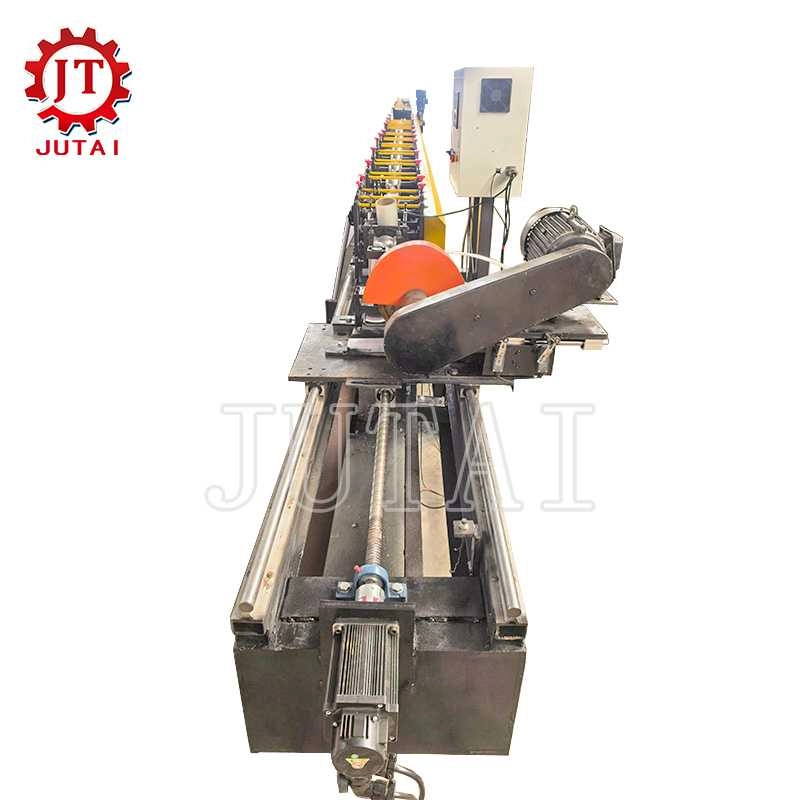
The line should be tested through its normal sequence: decoiling, feeding, forming, PU injection, curing or shaping, length measurement, cutting, and discharge. If the production line requires a separate automatic cut-to-length line or auxiliary handling equipment, its role should be identified in the acceptance plan.
The buyer should also verify that cutting does not crush the foam, deform the interlocking edges, or damage the coating. Long slats should be supported after cutting to prevent bending, twisting, or surface damage during collection.
Review Controls, Safety, and FAT Records
The control system should be tested during normal operation and during controlled interruptions. Operators should be able to set production length, quantity, speed, and other approved parameters. The FAT should also confirm alarm messages, emergency-stop functions, sensor responses, restart procedures, and production counters.
The final FAT report should include:
- Approved drawings and machine configuration
- Material and foam details used in the trial
- Measurement records and sample photographs
- Output and rejection data
- Control and alarm test results
- Open deviations and corrective actions
- Retest requirements, if applicable
- Signatures from the buyer and supplier
Acceptance should be conditional when an agreed deviation remains unresolved. The report should state who is responsible for correction, what evidence is required, and whether the line can be released for shipment.
How XINBO Can Support the Acceptance Process
A PU roll shutter door roll forming machine should be evaluated as a complete production solution, not as a collection of unrelated components. XINBO can use the buyer’s profile drawing, material data, foam requirements, and output target to define a more practical test plan for the proposed configuration.
Before requesting a quotation or FAT schedule, provide the slat drawing, material thickness, coil information, foam criteria, required lengths, target output, destination voltage, and factory conditions. For technical clarification, contact XINBO’s technical team with the documents that will govern the final acceptance decision.
Conclusão
A Factory Acceptance Test protects both the buyer and the supplier by converting general performance claims into measurable evidence. For a PU roll shutter door roll forming machine, the most important checks are profile accuracy, interlocking performance, foam filling, adhesion, cutting quality, and stable saleable output.
When the test plan is agreed before production begins and the results are recorded objectively, the buyer can make a clearer shipment decision and reduce commissioning risks at the installation site.
FAQ
What material should be used during a PU shutter door machine FAT?
The planned production material should be used whenever possible. The coil type, thickness, coating, and mechanical properties should match the approved machine specification.
How many samples should be inspected?
The sample quantity depends on the purchase agreement and production length. Samples should come from different points in a stable run rather than from only one initial piece.
How is PU foam filling checked?
Inspect external appearance, foam weight, cavity filling, core position, and adhesion. Section-cut samples may be required when internal filling cannot be confirmed visually.
What is the difference between machine speed and saleable output?
Machine speed describes line movement. Saleable output counts only slats that meet the agreed dimensional, foam, surface, and cutting requirements.
Can FAT be completed remotely?
A remote FAT may be possible when the buyer receives live video, measurement records, control-system demonstrations, and clearly identified samples. On-site inspection may still be preferred for complex or customized lines.
Postos relacionados
-
Square Tube Welding Pipe Forming Machine: A Practical Guide to Sizing, Welding and Finishing
-
How to Choose the Right Roof Sheet Roll Forming Machine for Your Roofing Business
-
Retractable Banner Stand Top Bar Roll Forming Machine: How to Reduce Aluminum Scrap and Unit Cost
-

Roll Shutter Door Forming Machine Buying Guide: Key Factors to Consider Before Investment

Boa qualidade
A máquina XinBo que faz CO. LTD é um fabricante profissional e exportador em máquina de formação de rolos,
Vê mais→


 Portuguese
  English
  Spanish
  Arabic
  Russian
  French
  Dutch
Dutch  Turkish
  Swahili
  Serbian
  Romanian