Espanhol
 Rússia
China Sheet Metal Embossing Machine Company: What to Look for Before Buying
In the field of metal fabrication, where accuracy joins with imagination, an embossing machine for metal sheet truly shines as a powerful tool. Whether the goal is to equip a busy workshop or increase output for building panels, picking the right machine from a trusted China sheet metal embossing machine company can turn ordinary flat metal into beautiful textured work. These devices use steady pressure to form raised or sunken designs. The result improves both looks and usefulness. However, with so many choices available, finding the best one needs care. This guide explains the main points clearly. It covers how the machines work, important features, and warning signs to notice. The aim stays on keeping work smooth and costs reasonable.
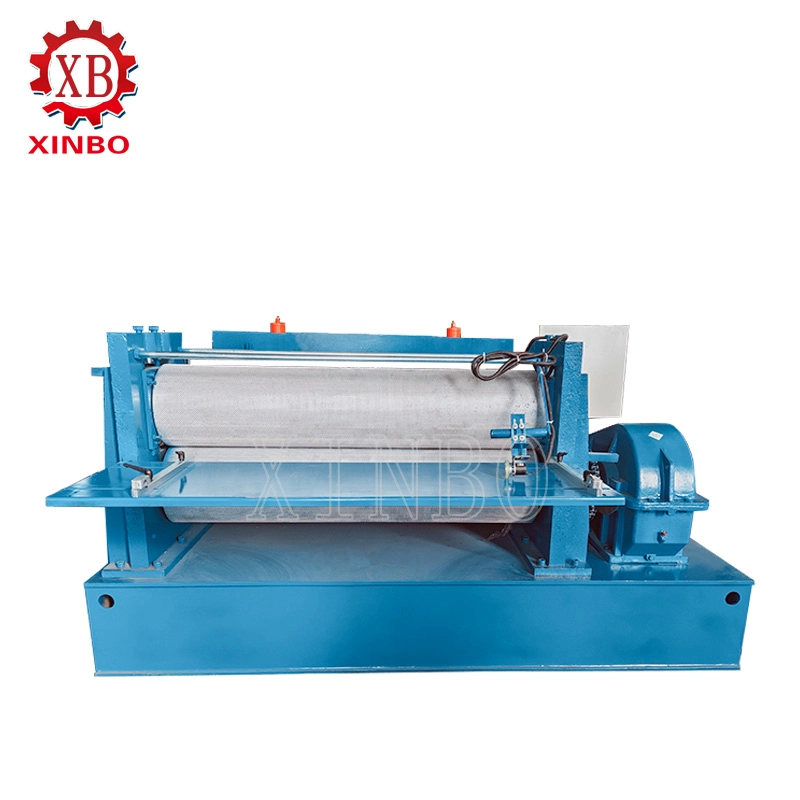
Understanding Sheet Metal Embossing Machines
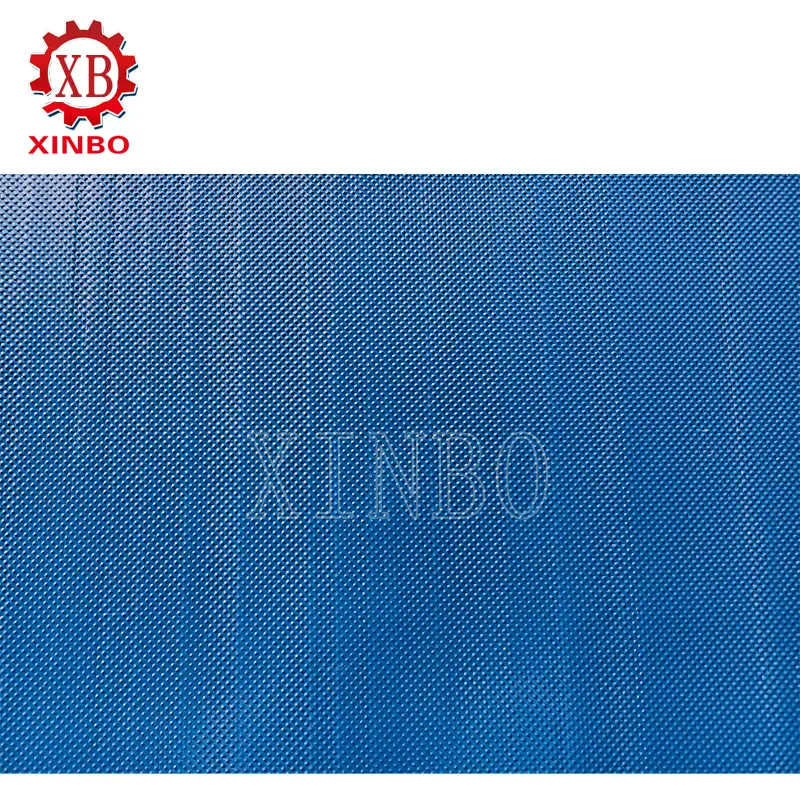
Basically, a sheet metal embossing machine shapes metal sheets with matching dies or rollers. It creates patterns without cutting away any material. The power usually comes from hydraulic or mechanical systems. The idea started long ago in old metal crafts, yet today it uses modern automatic controls. Picture a coil of aluminum moving into an automatic metal embossing machine. The rollers grab it firmly and press hard. Soon, the metal comes out with diamond shapes for safe floors or detailed designs for nice walls.

The Science Behind the Press
The real process depends on plastic deformation. Metal bends under strong force and takes the shape of the die. For thin sheets between 0.5-2mm, heat up to 200°C can make the material softer. This helps get sharp edges without breaks. Thicker plates, even up to 3mm in galvanized steel, need much more power. Machines with 500 to 2000 tons can reach good depth. Speed controls, often through frequency drives, allow changes from 0-25m/min. This stops blocking and keeps every part the same. In simple terms, one pass can change plain steel into a chequer plate. The metal also becomes 20-30% stronger because of work-hardening.
Why Emboss? Functional and Aesthetic Wins
Embossing does more than look good. It adds grip for stairs or truck panels. It also makes the metal stronger against bending. In car parts, it hides joins neatly. In elevators, it creates a stylish effect. Tests from the industry prove that embossed surfaces fight rust better. Protective paint stays longer in the small spaces, so the metal lasts more in tough conditions.
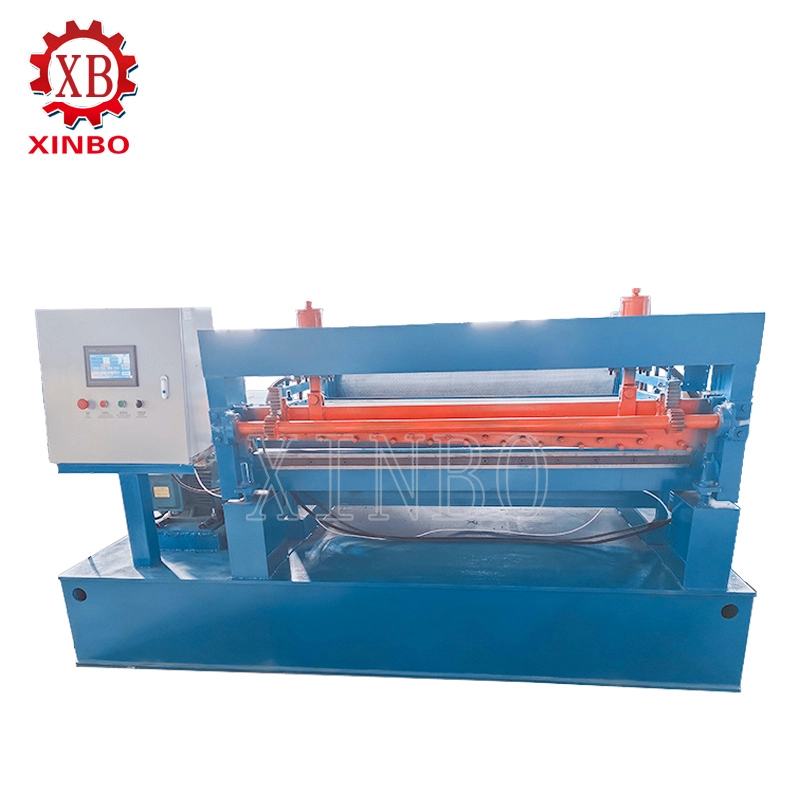
Key Features of High-Quality Embossing Machines for Sheet Metal
Good machines mix strength, exactness, and flexibility. Look for rollers that stay hard (HRC 60-62 with 9Cr2Mo alloy). They can work for millions of cycles without damage.
Roller Design and Customization
Rollers form the main part. They come in male-female sets carved with patterns such as stripes, coins, or special logos. Fast-change setups reduce the time to switch patterns to less than 30 minutes. This matters when the job moves from wood-grain for furniture to bark texture for outside walls. Pressure controls give depth choices from 0.05-1mm. The result stays even across 1250mm widths. When the embossing machine for sheet metal connects to decoiler-recoiler lines, work continues without pause. The line can handle 50 feet per minute easily.
Sistemas de Automatização e Controlo
Hand cranks belong to the past. Now, automatic sheet metal embossing machines use PLC screens that are easy to touch. Network connections bring designs straight from CAD files. Sensors check sheet position within ±0.1mm. Safety locks stop everything if pressure rises too high. Smart drives keep energy lower, from 15kW peaks down to about 11kW normal use. All these features cut waste by around 15%, according to factory studies.
Material Versatility and Thickness Handling
Top machines work with many metals: stainless steel up to 3mm, aluminum from 0.25-2mm, and others. They switch alloys without extra adjustments. Hydraulic lifts handle coils that weigh up to 10 tons. Gaps adjust automatically so soft metals like brass do not get crushed. One machine can first make color-coated steel for roofs, then move to copper for special doors, and the pattern stays perfect each time.
Evaluating Build Quality in Sheet Metal Embossing Machines
Long life is necessary. A weak frame causes constant stops. Check the main structure carefully. It should use welded steel (at least Q235) and receive stress-relief treatment to fight shaking.
Frame and Component Robustness
The base must weigh over 1000kg for steady work. Motors from 11-15HP connect to strong gears for smooth power. Hard chrome layers (HV900+) protect rollers from rust. They last 5-10 times longer than simple coatings. Look closely at welds. They need to be smooth and strong with no weak spots under heavy pressure.
Electrical and Hydraulic Integrity
Boxes with IP54 rating keep dust out on dirty floors. Hydraulic parts include filters and never leak at 0-25m/min speeds. Wiring follows CE rules for safety everywhere. Protection systems stop damage if very hard 80ksi steel enters. Good units run day and night with only oil changes every few months.
Performance Metrics for Automatic Metal Embossing Machines

Speed and daily output decide the return on money spent. Good targets are 2-4 characters/second for tags or 25m/min for coil lines.
Speed, Capacity, and Efficiency
Feed areas hold more than 400 sheets. Output sections keep order for fast flow. Newer motors lower power use by 20%. Sensors stop jams, so machines work 95% of the time. Extra recoiling units pack 1-ton rolls quickly and reduce moving time.
Precision and Pattern Consistency
Modern rollers give the same 0.05mm depth every time. This matters for codes on tags. Systems adjust themselves for small differences in sheets. Every piece matches the sample. Careful machines lower extra work by 25%. That helps in strict fields like aircraft parts.
Cost Considerations When Sourcing from China Sheet Metal Embossing Machine Suppliers
Prices sit between $20,000-$60,000. Real value beats cheap offers. Good sellers include 12-month warranties for parts and service.
Initial Investment Breakdown
Simple models with 1250mm width begin near $24,000. PLC controls add about $5,000. Shipping from ports like Shanghai raises cost by 10%. Large orders directly from factories bring 15% lower prices. Total cost over five years becomes better when the machine needs little repair.
Hidden Costs and Long-Term Savings
Training can cost $2,000 more if ignored. Energy-saving parts return money through 20% lower bills. Custom dies cost $1,000 per pattern but open many jobs. Reports show automatic units save 30% over many years compared to hand work.
Maintenance and Support Essentials
Life length depends on regular care. Ask for clear guides and online help.
Routine Care Protocols
Each week, clean rollers and check position. Each month, change hydraulic oil and grease gears. Once a year, replace seals. This keeps machines running over 20 years. New software updates keep accuracy at 0.18mm.
Vendor Support Networks
Strong suppliers give help 24 hours a day. They send teams for setup in 7-14 days after arrival. Spare parts stay ready worldwide. When dealing with a China sheet metal embossing machine company, confirm ISO 9001 certification for proven quality.
Red Flags: What to Avoid in Embossing Machine for Metal Purchases
Stay away from unclear details or big promises without proof. Missing CE or UL marks is a clear warning. Claims of 50m/min speed often hide weak construction.
Common Pitfalls and Due Diligence
Short videos can hide shaking problems. Always ask for live tests. Secret technology without explanation is usually just re-sold common parts. Talk to other buyers in the same business. Finally, request video walks through the factory to see clean and orderly production.
Buying a sheet metal embossing machine means more than getting equipment. It prepares the shop for future jobs. Focus on accuracy, strength, and good service. The right machine opens new creative and strong possibilities.
FAQ
What materials can a typical sheet metal embossing machine handle?
Most embossing machines for sheet metal process aluminum, stainless steel, galvanized steel, copper, and brass, with thicknesses from 0.25mm to 3mm. Softer alloys like aluminum require less pressure, while harder steels demand higher tonnage for clean impressions.
How does an automatic metal embossing machine differ from manual ones?
Automatic versions feature PLC controls, auto-feeding, and continuous coil processing at 25m/min, ideal for high-volume runs. Manuals suit low-output needs but limit speed to operator pace, increasing labor costs by 40%.
What maintenance is needed for an embossing machine for metal sheet?
Routine checks include weekly roller cleaning, monthly hydraulic fluid swaps, and annual alignments. Proper care prevents 80% of breakdowns, ensuring consistent 0.05mm pattern depths.
How long does it take to set up a new metal sheet embossing machine?
Factory installs take 7-14 days, including calibration. Quick-change rollers shave pattern swaps to 30 minutes, minimizing downtime in production lines.
Can I customize patterns on a sheet metal embossing machine?
Yes—suppliers engrave rollers for bespoke designs like logos or textures. Lead times: 4-6 weeks, with CAD previews ensuring fidelity before production.
Partner with XINBO for Your Next Embossing Solution
Xinbo has earned trust in China for metal shaping since 2014. The skilled team builds custom embossing machines that mix modern technology with solid reliability. The machines turn ideas into real textured products. XINBO offers accuracy, fast work, and confidence for every project.
Contact XINBO Today: Phone: +8615373656508 | Email: serena@cnxinbo.netTalk about the next project now. Ask for a personal quote and start creating success together.
Postos relacionados

Boa qualidade
A máquina XinBo que faz CO. LTD é um fabricante profissional e exportador em máquina de formação de rolos,
Vê mais→


 Portuguese
  English
  Spanish
  Arabic
  Russian
  French
  Dutch
Dutch  Turkish
  Swahili
  Serbian
  Romanian