Spanish
 Russia

How Roll Forming Machines Make Retractable Banner Stand Top Bars
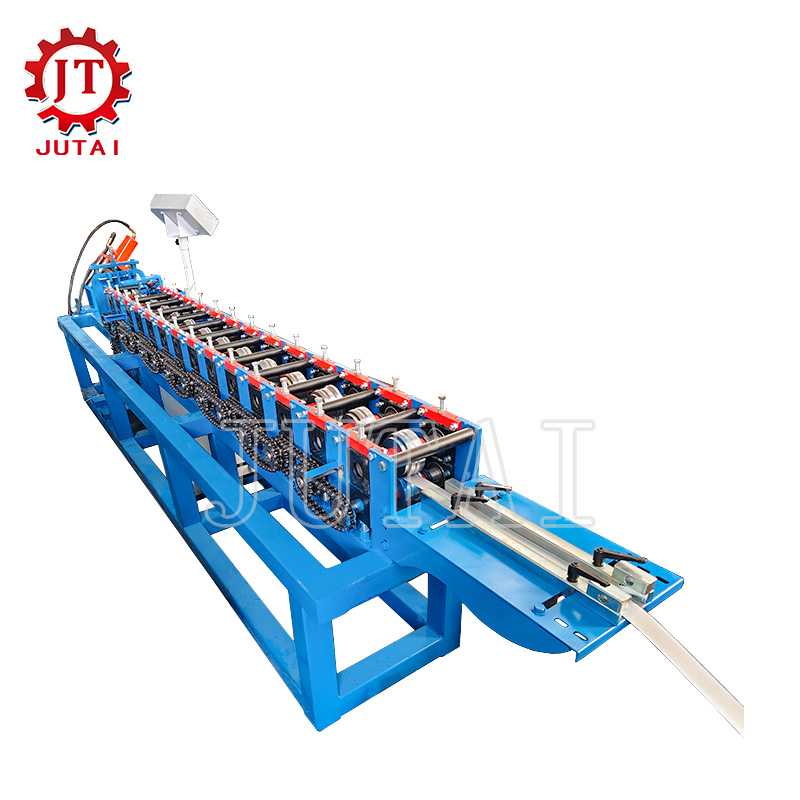
A retractable banner stand looks simple from the outside, but its top bar has several jobs. It must grip or support the upper edge of the graphic, remain straight across the display, and fit the stand hardware without adding unnecessary weight. Producing that long, narrow profile consistently is an ideal use of the roll forming process.
Instead of bending a strip into its final shape in one severe operation, a roll forming machine guides it through a sequence of roller stations. Each station makes a small, controlled change. At the end of the line, the profile is cut to length. The following explanation follows that work from strip entry to finished top bar.
What a Retractable Banner Stand Top Bar Does
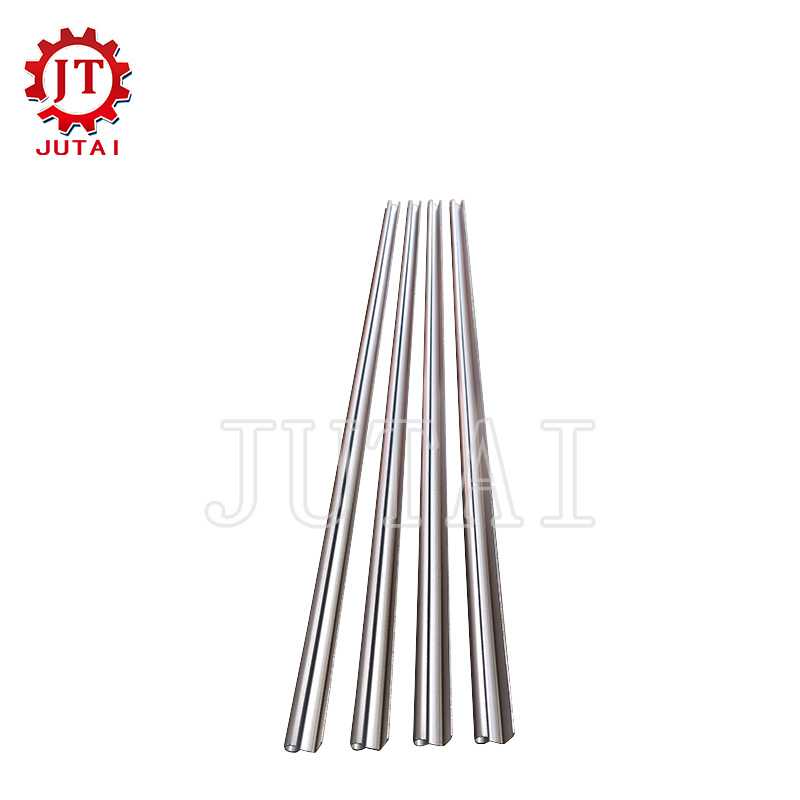
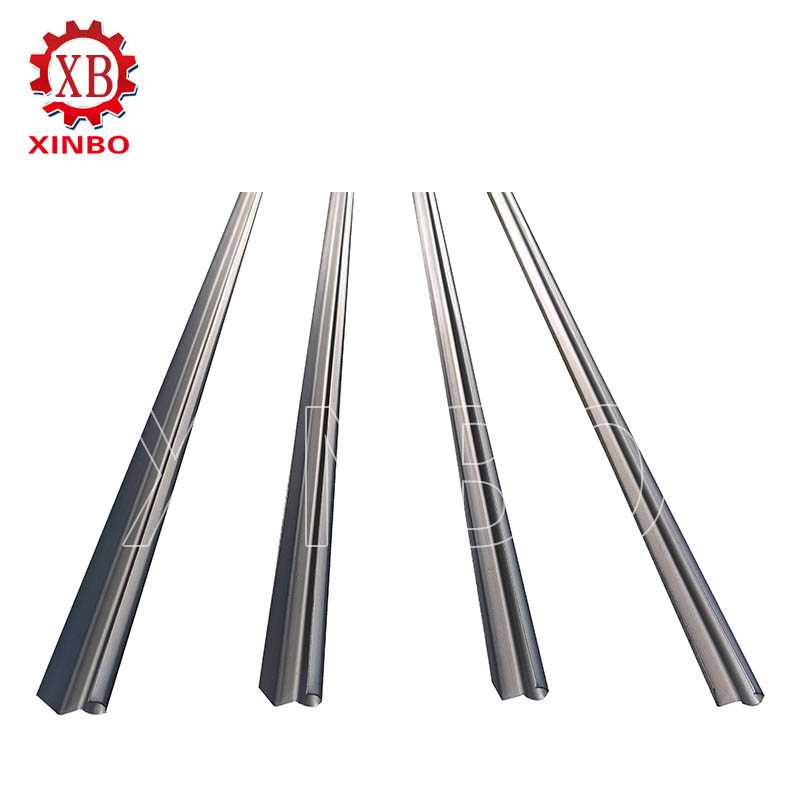
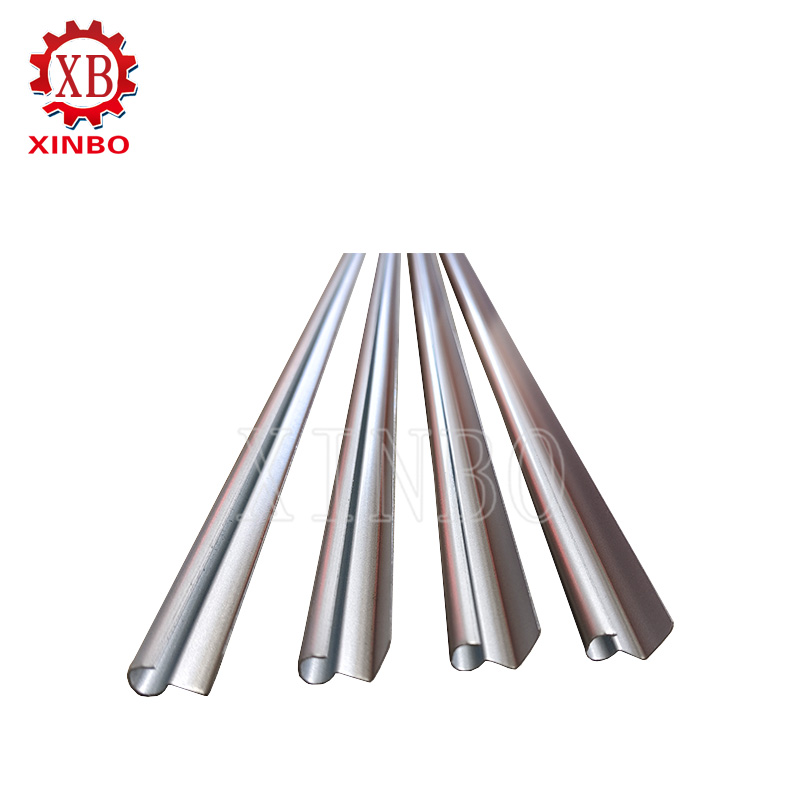
The top bar, sometimes called a top rail or clamp bar, runs across the upper edge of a retractable banner graphic. Depending on the stand design, the bar may clamp the media directly, accept an insert, or connect to an end fitting. Its profile therefore needs to match the graphic-retention method and the rest of the stand.
Aluminum strip is commonly selected because it combines low weight, corrosion resistance, and a clean surface. It may be bare, coated, or otherwise finished before forming. The section must remain straight enough for assembly and avoid roller marks on visible surfaces.
How the Roll Forming Process Creates the Profile
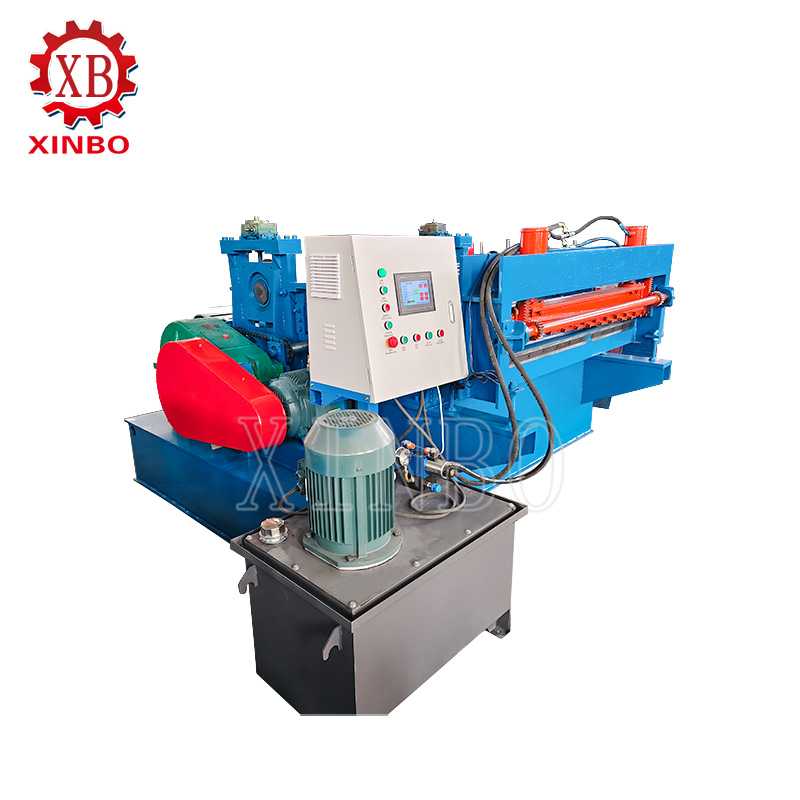
The roll forming process is continuous. A prepared strip enters the machine, passes through paired rolls, and gradually takes on the designed cross-section. The machine shown by Xinbo combines an adjustable entry, multiple forming stations, and PLC-controlled cutting for customizable lengths.
Strip Entry and Alignment
Production begins with strip prepared to the width, thickness, alloy, and surface condition defined for the top bar. The entry guides center the strip and keep it from wandering before the first forming stand. Xinbo’s product description notes that the infeed can be adjusted for different raw-material widths.
Correct entry alignment matters because a small sideways error can continue through the line. Operators normally confirm that the strip feeds freely, sits square to the rollers, and does not rub an edge guide hard enough to scratch a finished surface. Protective film, when specified, must also stay flat rather than wrinkle at the entry.
Progressive Shaping Through Roller Stations
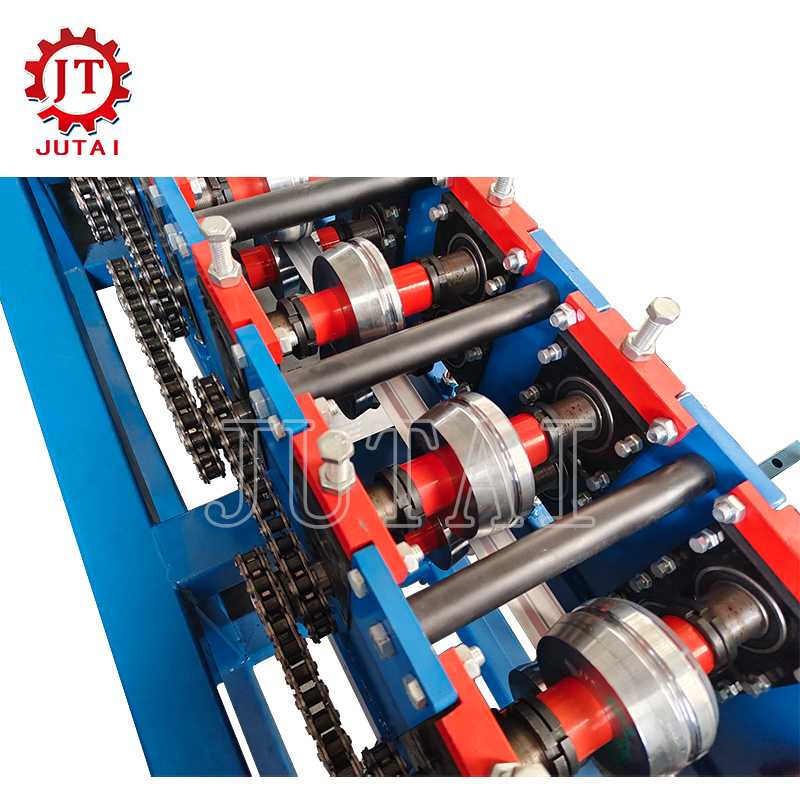
The strip next travels through a series of driven roller stations. The first stations introduce shallow bends. Later stations increase those bends and bring the edges, return lips, grooves, or rounded features toward the specified geometry. Because the work is divided among several stations, the material is not forced through the entire change at once.
This progressive action is the key function of an aluminum roll forming machine. It helps control local strain and makes a long, repeatable section practical. The exact number and contour of the rollers depend on the customer drawing. Xinbo states that the forming section can be configured for different widths and profiles according to the required drawing.
Cut to Length and Discharge
After the profile reaches its final shape, it advances to the cutting section. A length signal from the control system triggers the cut according to the production setting. Xinbo describes PLC control for precise, customizable profile lengths; the actual tolerance should be agreed for the material, profile, cutter, and operating speed used in the project.
The separated part then exits to a support or collection area. Long top bars need adequate support so they do not drop, bend, or rub against one another immediately after cutting. Any additional operations, such as inserting a clamp component, fitting end pieces, drilling, or packing, take place downstream unless they are separately integrated.
Why Gradual Forming Matters for a Narrow Aluminum Profile
A banner top bar may contain a curved gripping feature beside a flatter wall or flange. Those features do not shorten and stretch equally during bending. If the forming sequence is too aggressive, the profile can twist, bow, flare at an edge, or pick up marks. More force is not a reliable substitute for a suitable pass sequence.
Gradual forming distributes the change over the line. It also gives the machine builder opportunities to guide the profile as its shape becomes less flat. Roller contours, clearances, alignment, line speed, and material consistency all affect the result. The objective is not simply to make the cross-section look correct at one point; it is to hold that shape along the full cut length.
Machine Functions That Influence Output Quality
A practical banner top bar line coordinates several functions:
- The infeed centers the strip and accommodates the specified strip width.
- Forming stands progressively develop the section without unnecessary surface contact.
- Guides stabilize the changing profile between critical passes.
- The drive keeps material moving through the stations at a controlled rate.
- The PLC and measuring system coordinate batch settings and cut length.
- The cutting unit separates the profile without crushing its finished section.
These functions must be evaluated as one system. A good roller design cannot correct material that enters off-center, and a stable forming section cannot prevent damage caused by poor discharge support. Buyers comparing a roll forming machine range should therefore discuss the complete material path rather than focus only on the number of roller stations.
What to Check on Finished Top Bars
Inspection should use parts made from the intended production material. Start with the cross-section: confirm the overall width, height, groove opening, radii, and any mating features identified as critical on the drawing. Then place the part on a suitable reference surface to look for bow, twist, or edge wave along its length.
Check cut length and the condition of both cut ends. Examine visible faces under consistent lighting for scratches, pressure lines, damaged coating, or torn protective film. Finally, test the bar with the actual banner media, insert, end fittings, and stand interface. A dimensional result can still be unsuitable if the graphic is difficult to install or the profile does not assemble smoothly.
Specifying a Line for Real Banner Hardware
Useful project information includes a dimensioned profile drawing, material grade or alloy, strip thickness and width, surface finish, protective-film requirement, finished length, acceptable tolerances, expected production rate, and available electrical supply. Samples of the existing top bar and mating hardware are valuable when the drawing does not fully describe fit or appearance.
The acceptance plan should define how many trial parts will be measured and which features are critical. It should also include assembly with the real banner components, not only a visual check at the machine. Xinbo offers custom machine design support for projects based on customer requirements and drawings, so the technical discussion should begin with the production part rather than a generic machine label.
Conclusion
Roll forming turns flat strip into a retractable banner stand top bar through a controlled sequence: guide the strip, introduce the bends progressively, stabilize the developing profile, measure the output, and cut it to length. The process is well suited to long, consistent sections, but the finished result still depends on the relationship among the drawing, material, forming passes, cutting method, and handling system.
For buyers, the most reliable basis for a machine proposal is a complete part specification plus an agreed sample-acceptance method.
Frequently Asked Questions
Can One Machine Make Different Top Bar Profiles
It may be possible, but a different cross-section usually requires profile-specific rollers and sometimes new guides or cutting details. The machine builder should review each drawing and explain what must change.
Can Prepainted or Film-Protected Strip Be Roll Formed
Often yes, provided the coating or film is compatible with the bend radii, roller contact, and line handling. Sample trials are the safest way to confirm appearance.
What Determines the Finished Cut Length
The measuring and PLC control system commands the cutter, while profile behavior, line setup, cutter design, and discharge handling influence the achieved result. Required tolerance should be stated before machine design.
What Should Be Sent With an RFQ
Send the profile drawing, material specification, thickness, strip width, surface condition, part length, tolerances, target output, utility requirements, and representative samples when available.
To discuss a banner top bar project, contact the Xinbo technical team with your profile drawing, material details, finished length, expected output, and sample requirements.
Related Posts
+

Good quality
XinBo machine making CO. LTD is a professional manufacturer and exporter in roll forming machine,
VIEW MORE→


 English
 Spanish
 Portuguese
 Arabic
 Russian
 French
 Dutch
 Turkish
 Swahili
 Serbian
 Romanian