Spanish
 Russia
Best Door Frame Roll Forming Machine for Steel and Metal Frames
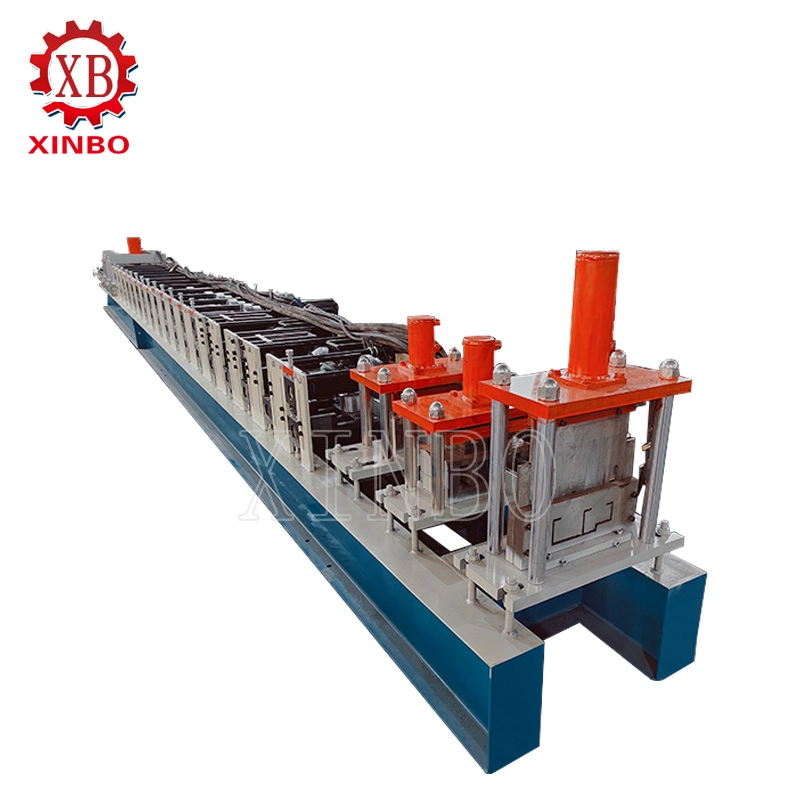
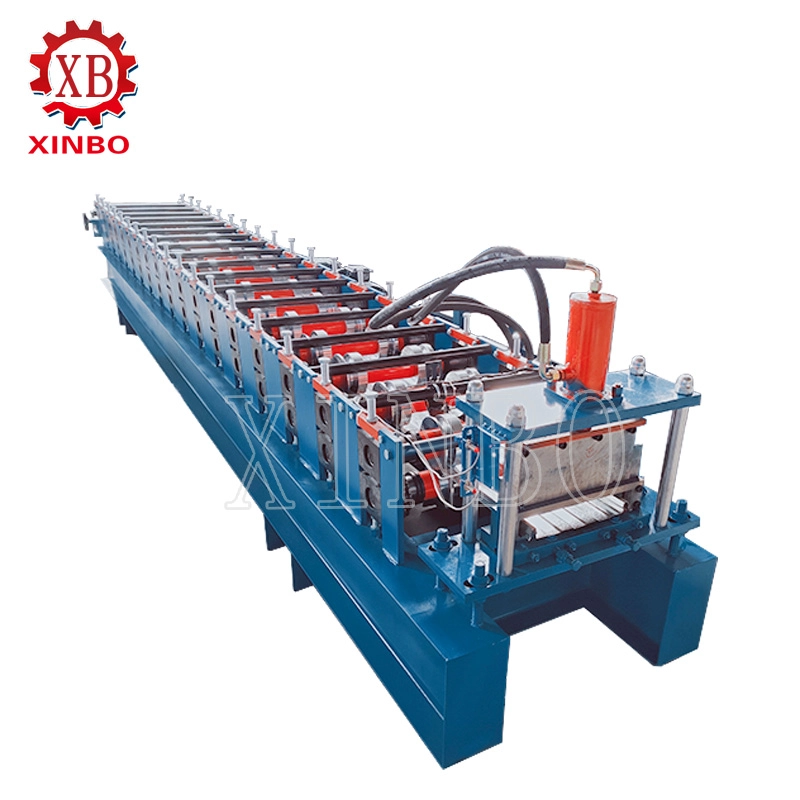
In today’s quick-growing construction and door manufacturing sectors, making steady, strong steel door frames and metal door frames in large amounts needs special equipment. A Door Frame Roll Forming Machine serves as the main technology. It changes flat metal coils into exact, set-to-join frame profiles. These have good repeatability and smooth surface finish. Large production lines use this tool. Reliable China Door Frame Roll Forming Machine manufacturer solutions also rely on it. The equipment provides the speed and quality that current factories require.
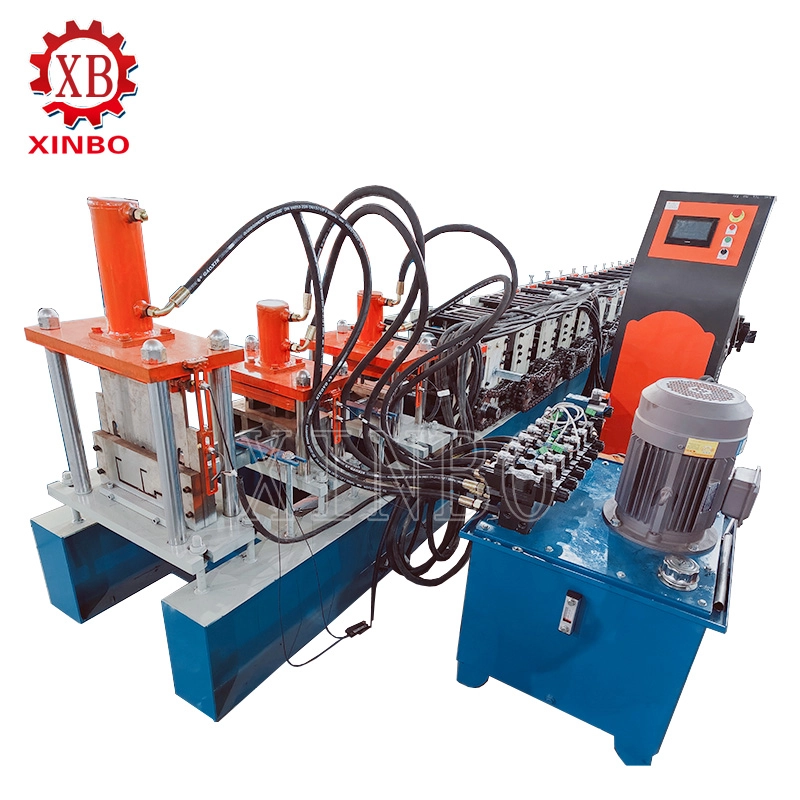
This detailed guide examines the basic technical knowledge, working principles, part details, and key design factors of the best Door Frame Roll Forming Machine for steel and metal frames. It helps manufacturers choose wisely.
Understanding the Door Frame Roll Forming Process
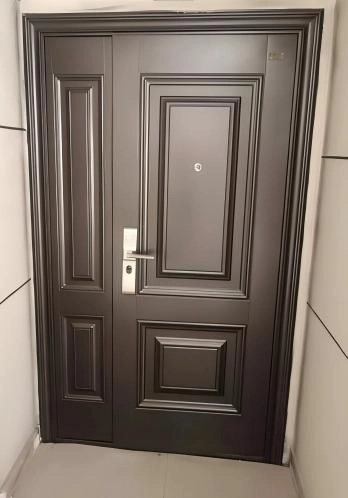
Cold roll forming continues as the best method for shaping steel door frame profiles. A solid Door Frame Roll Forming Machine slowly shapes strip material. It uses a series of well-planned roller passes. No heat gets applied in this process.
How a Door Frame Roll Forming Machine Works Step by Step
-
Material Uncoiling and Feeding A sturdy decoiler holds coils of galvanized steel, cold-rolled steel, or color-coated metal. The strip moves evenly through a seven-roller leveler. This removes coil curve and ensures even entry.
-
Guiding and Pre-Processing Accurate side guides and servo feeding systems keep centerline alignment. Built-in hydraulic punching units form hinge pockets, lock preparation holes, reinforcement slots, and other needed features in-line.
-
Progressive Roll Forming The metal door frame roll forming machine section usually has 18–26 stations. Each station slowly forms important parts such as door stops, rebates, returns, face flanges, and throat depths. It applies controlled pressure.
-
Post-Forming Operations A servo-driven flying cutoff or hydraulic stop-cut system cuts exact lengths. It leaves little burr. Extra inline 90° or 45° bending units ready corner miters on their own.
-
Control and Output Current PLC+HMI systems control all parameters. They achieve length tolerance of ±0.5–1.0 mm and straightness within 1 mm/meter. The outcome includes clean, distortion-free steel door frames. These are ready for welding, powder coating, or assembly.
Key Components of a High-Quality Door Frame Roll Forming Machine
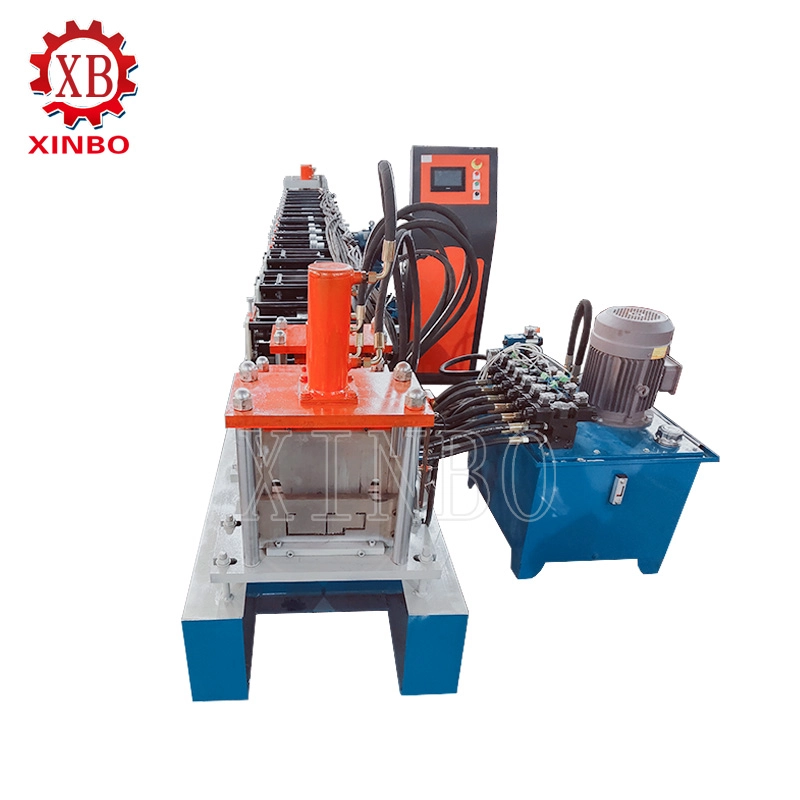
The work and lasting power of any OEM Door Frame Roll Forming Machine rely a lot on the quality of its main parts.
Robust Machine Frame and Structure
Thick welded steel baseframes get stress-relieved and precisely machined. They reduce bending under load. Many designs include bolted side plates. These allow easier access to rollers and future upgrades.
Rollers and Shafts
Forged alloy steel rollers (Cr12MoV or similar) receive vacuum heat treatment to HRC 58–62 hardness. Then they get 0.05–0.08 mm hard chrome plating. Wide shafts (≥75–90 mm) lessen deflection. They also ensure steady forming pressure.
Hydraulic and Punching Systems
High-pressure hydraulic stations drive accurate punching dies. These handle left-hand/right-hand door setups, various hinge patterns, and custom reinforcement holes. Servo-controlled positioning reaches ±0.2 mm repeatability.
Drive and Control Systems
Chain or gearbox main drive works with separate servo motors on key stations. This setup offers stable torque. Touch-screen PLC interfaces enable fast profile switching. They also store recipes for different wholesale Door Frame Roll Forming Machine production runs.
Additional Features for Efficiency
-
Non-stop servo flying shear
-
Automatic profile stacking conveyor
-
Quick-change cassette systems for multi-size production
Most Important Roll Design & Flower Pattern Principles for Door Frame
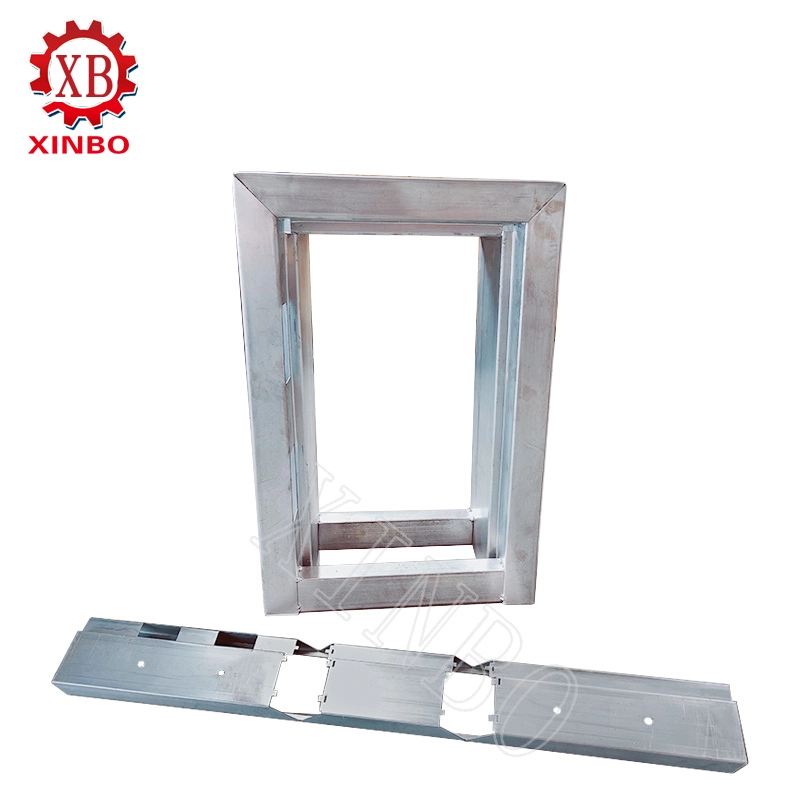
The roll forming flower pattern (sequential cross-section development diagram) stands as the one key element. It decides if a factory-direct Door Frame Roll Forming Machine operates evenly. Or it needs ongoing manual fixes.
Basic professional design rules cover:
-
Incremental bend angles limited to 5–12° per station to minimize material stress
-
Symmetrical left/right deformation sequence to prevent strip tracking issues
-
Strategic placement of over-bend compensation in the final 3–5 stations to counteract spring-back
-
Balanced horizontal and vertical forming to avoid edge waves or center buckling
-
Adequate distance between stations (typically 350–450 mm) for thin-gauge material control
-
Final calibration passes focused on straightening rather than major deformation
A well-planned flower pattern can cut scrap rates greatly. It permits production speeds of 20–35 m/min. Profiles show strong consistency.
Critical Factors That Really Affect Final Door Frame Quality
Past looks and simple specifications, these technical points divide common machines from leading China manufacturer Door Frame Roll Forming Machine lines:
-
Roller concentricity and runout (≤0.01 mm)
-
Shaft material and bearing quality to control deflection under maximum load
-
Machine bed flatness and parallelism across the full forming length
-
Transmission backlash elimination (especially important for servo-driven lines)
-
Side roller guide precision and adjustability
-
Punching die alignment and die clearance consistency
-
Material entry straightener effectiveness to eliminate coil set before forming begins
These unseen engineering details usually explain most real-world performance gaps.
Advantages of Using a Door Frame Roll Forming Machine for Steel and Metal Frames
-
High Production Efficiency — Continuous forming cuts downtime and boosts throughput.
-
Superior Product Quality — Even wall thickness, sharp corners, and scratch-free surfaces raise final door looks and strength.
-
Material Versatility — Processes 0.6–2.0 mm galvanized, pre-painted, or stainless steel coils effectively.
-
Cost Savings — Near 100% material utilization and fewer secondary operations reduce total manufacturing cost.
-
Customization Flexibility — Tooling sets can be changed to produce residential, commercial, fire-rated, or security metal door frame profiles.
Factors to Consider When Choosing the Best Door Frame Roll Forming Machine
-
Production Capacity and Speed — Match maximum line speed with target output volume.
-
Material Thickness Range — Confirm ability for both light-gauge and heavier structural frames.
-
Automation & Integration Level — Assess punching, cutting, and stacking automation depth.
-
Precision & Repeatability — Review stated tolerances for length, straightness, and hole positioning.
-
After-Sales Technical Support — Guarantee entry to skilled engineers for setup and problem-solving.
FAQ
What materials can a Door Frame Roll Forming Machine process?
Common materials include galvanized steel, cold-rolled steel, hot-rolled pickled steel, and pre-painted coils. These fall in the 0.5–2.0 mm thickness range.
How precise are the door frames produced by a metal door frame roll forming machine?
Solid lines steadily reach ±0.5–1.0 mm length tolerance and ≤1 mm/m straightness.
Can one machine produce different door frame sizes?
Yes, adjustable-width tooling or cassette-style quick-change systems permit production of multiple jamb widths (e.g., 100–300 mm) on the same ODM Door Frame Roll Forming Machine.
What is the typical production speed?
Actual line speeds go from 15–35 m/min. This depends on material thickness, punching complexity, and cutting method.
Is punching for hinges and locks integrated?
Inline hydraulic or servo punching for multiple hole patterns and handedness remains standard on modern equipment.
Ready to Upgrade Your Production with the Best Door Frame Roll Forming Machine?
XINBO started in 2014 and located in China, focuses on high-precision roll forming machines. These match global standards such as CE, UL, TUV, and others. With more than ten years of skill in metal shaping equipment, XINBO offers dependable solutions. They stress efficiency, durability, and customization for Door Frame Roll Forming Machine needs.
Check XINBO’s selection of door frame production lines. This includes modern models with hydraulic punching, servo controls, and sturdy designs. These suit steel and metal frames. Reach their expert team for custom talks, technical support, and full service. This improves manufacturing process. Move forward to better door frame production. Contact XINBO now for skilled advice and solutions.
Related Posts
+

Good quality
XinBo machine making CO. LTD is a professional manufacturer and exporter in roll forming machine,
VIEW MORE→


 English
  Spanish
  Portuguese
  Arabic
  Russian
  French
  Dutch
Dutch  Turkish
  Swahili
  Serbian
  Romanian