Spanish
 Russia
Glazed Tile Roll Forming Machine: Complete Buyer’s Guide
A glazed tile roll forming machine converts coated metal coil into stepped roofing panels through progressive forming, tile-step pressing, measuring, and cutting. This guide explains how to choose a glazed tile roll forming machine by comparing the profile, material, automation, output, and inspection requirements.
This guide also explains the main glazed tile roll forming machine price factors, so buyers can compare quotations on the same technical basis and avoid choosing equipment only by its initial purchase price.
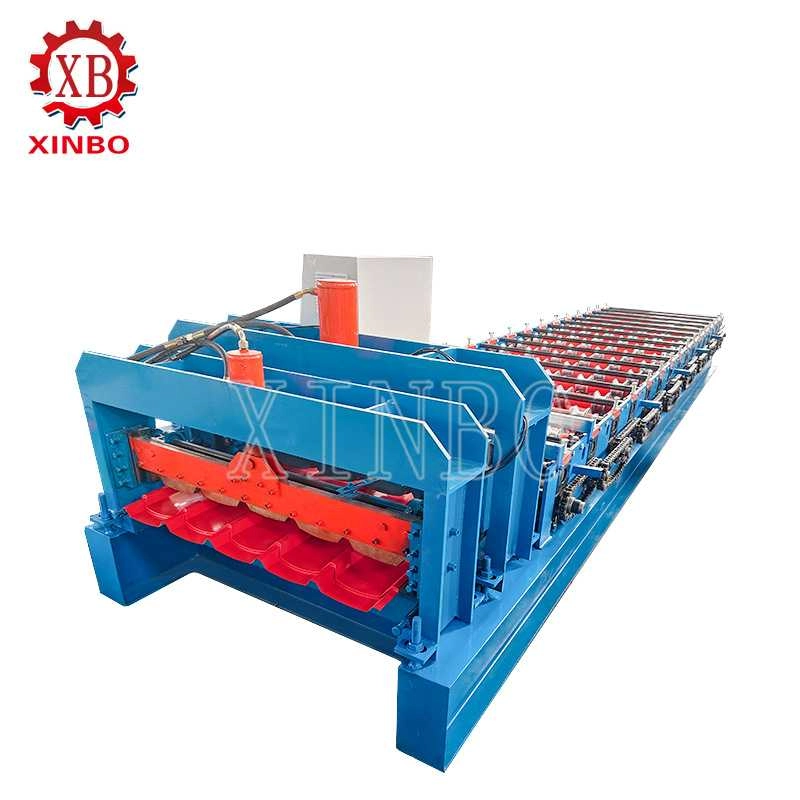
What Is a Glazed Tile Roll Forming Machine?
A glazed tile roll forming machine feeds flat metal strip through successive roller stations that gradually bend the material into the required cross-section. The required number of forming passes depends on factors such as material properties, finished-profile complexity, and roll forming mill design.
What Does “Glazed Tile” Mean?
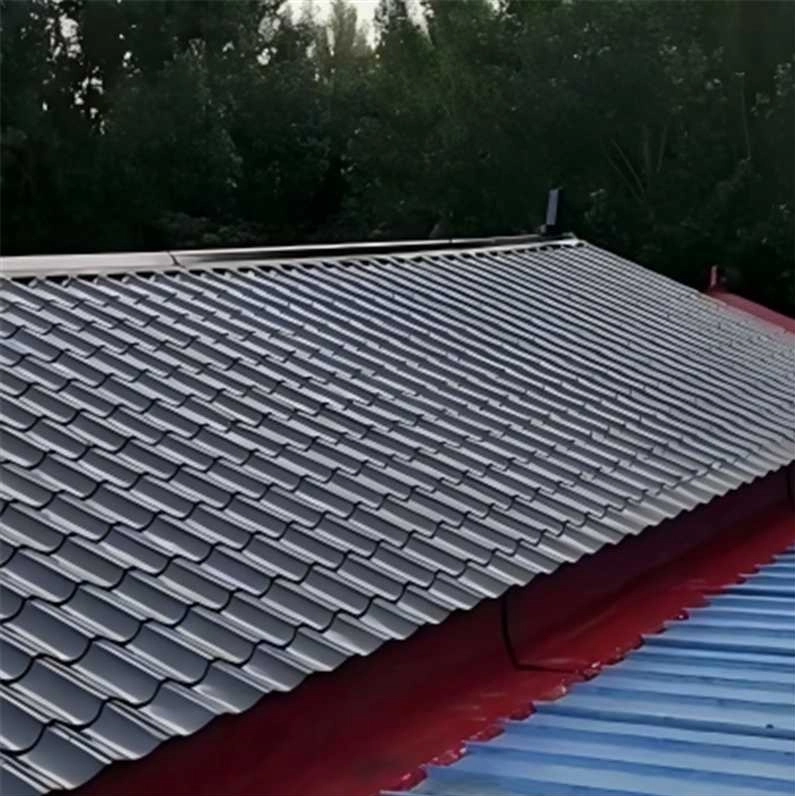
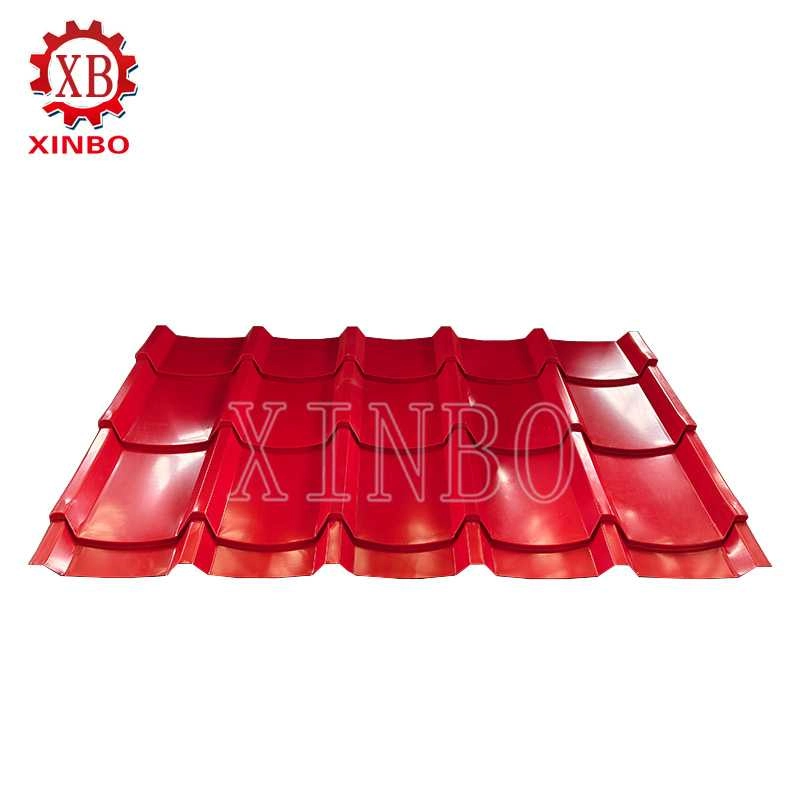
The term describes a metal roofing sheet with a stepped, tile-like appearance. The machine forms coated metal rather than fired ceramic tiles, and the finished sheet can include specified ribs, overlaps, effective widths, waves, and decorative tile steps.
A manufacturer can design the tooling around different roofing profiles when the buyer provides the required dimensions and production specifications.
How Does a Glazed Tile Roll Forming Machine Work?
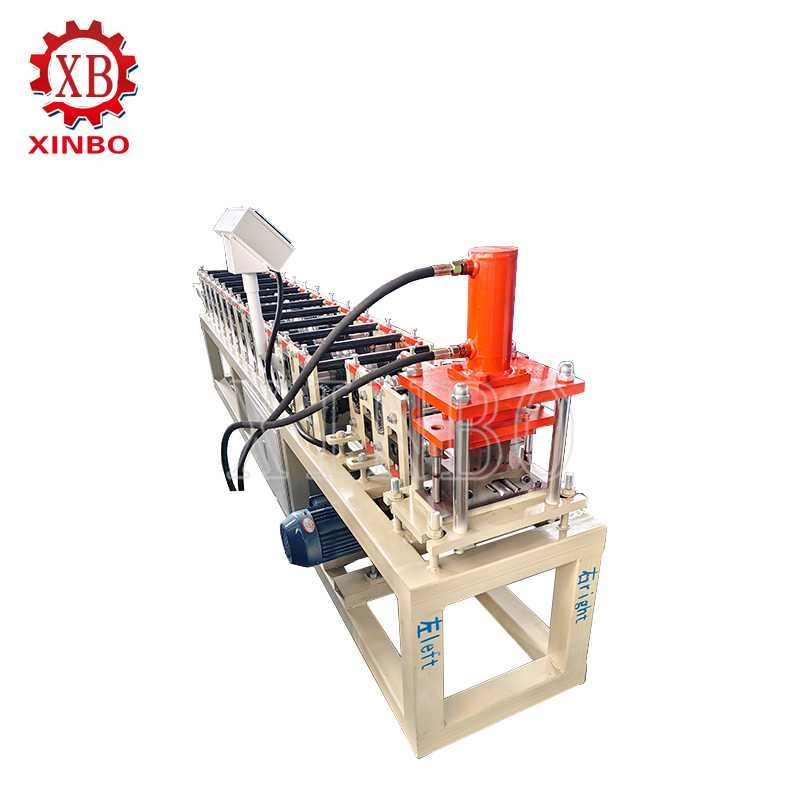
A typical glazed tile production line follows a continuous sequence in which several machine sections perform different tasks.
- The decoiler releases the metal coil.
- The feeding guide aligns the strip.
- The roller stations form the longitudinal roofing profile.
- The pressing unit creates repeated tile steps.
- The control system measures the programmed length.
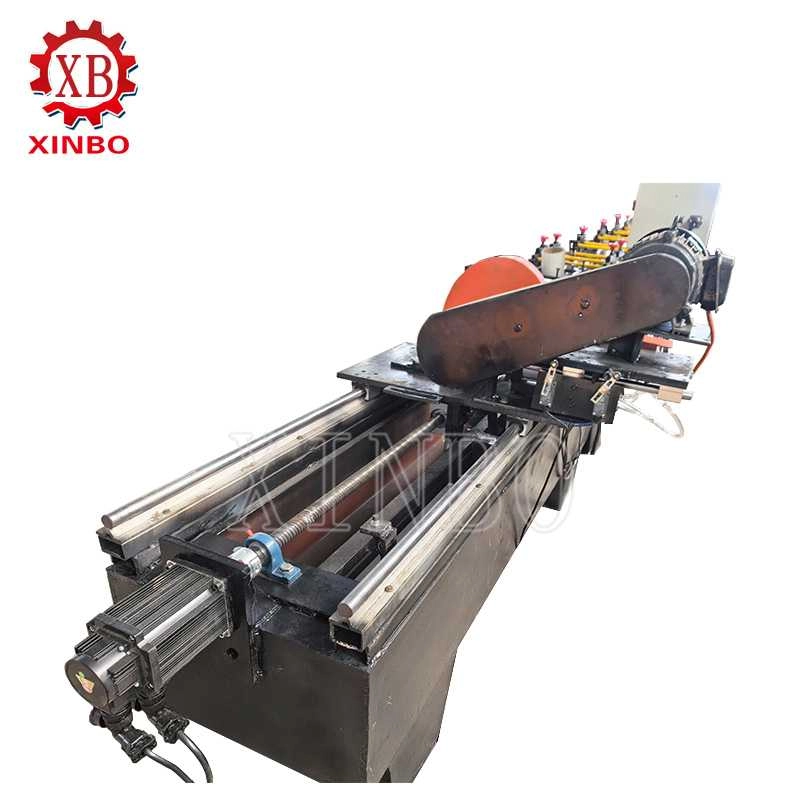
- The cutting system separates the finished panel.
- The runout table supports the completed sheet.
The progressive forming process distributes deformation across several forming stations rather than creating the complete profile in one operation. Material strength and thickness can increase forming loads and can influence shaft dimensions, frame strength, power requirements, and forming-pass design.
A glazed tile production line can also combine roll forming with hydraulic step pressing and automatic cutting to produce the characteristic stepped roofing pattern.
Which Roofing Profile Dimensions Define the Machine?
The roofing profile drawing is one of the most important purchasing documents because the manufacturer must design the machine around the required finished panel.
Which Dimensions Should the Drawing Show?
The drawing should identify the input coil width, overall formed width, effective coverage width, rib pitch, rib height, step distance, step depth, side-lap geometry, finished-sheet length, and required dimensional tolerances.
The buyer should clearly distinguish the effective coverage width from the total formed width because the overlap section normally reduces the usable coverage of each panel.
Why Does the Drawing Affect Machine Configuration?
A deeper or more complicated profile can require different roller tooling, forming passes, machine length, and step-pressing arrangements.
Tighter dimensional requirements can also require more carefully controlled forming because material properties, bend geometry, and forming sequence affect the final shape.
What Raw Materials Can the Machine Process?
Glazed tile production lines commonly process coated or galvanized metal sheet. A suitable machine can also be engineered for other compatible materials when the manufacturer considers the actual material specifications during machine design.
Why Do Thickness and Yield Strength Matter?
Material thickness changes forming loads and tooling requirements. Higher-strength sheet requires greater forming force and can produce more springback, so the machine designer may need to change shaft capacity, overbend, power, or the forming sequence.
The buyer should therefore provide material strength information in addition to the coil width and thickness whenever that information is available.
Why Does Coil Quality Matter?
Incoming coil quality can directly affect finished-sheet quality. Coil set, camber, crossbow, center buckle, and edge wave can contribute to dimensional problems such as bow, twist, or unwanted waves after roll forming.
The buyer should therefore define acceptable incoming material quality before production starts.
What Are the Main Machine Components?
The decoiler supplies the metal coil, while the feeding and guiding section controls the material position before forming.
The roller stations gradually create the roofing profile, while the pressing unit creates the characteristic transverse tile steps. The machine frame, shafts, rollers, bearings, and transmission system must provide sufficient rigidity for the selected material and profile.
How Do the Control and Cutting Systems Work?
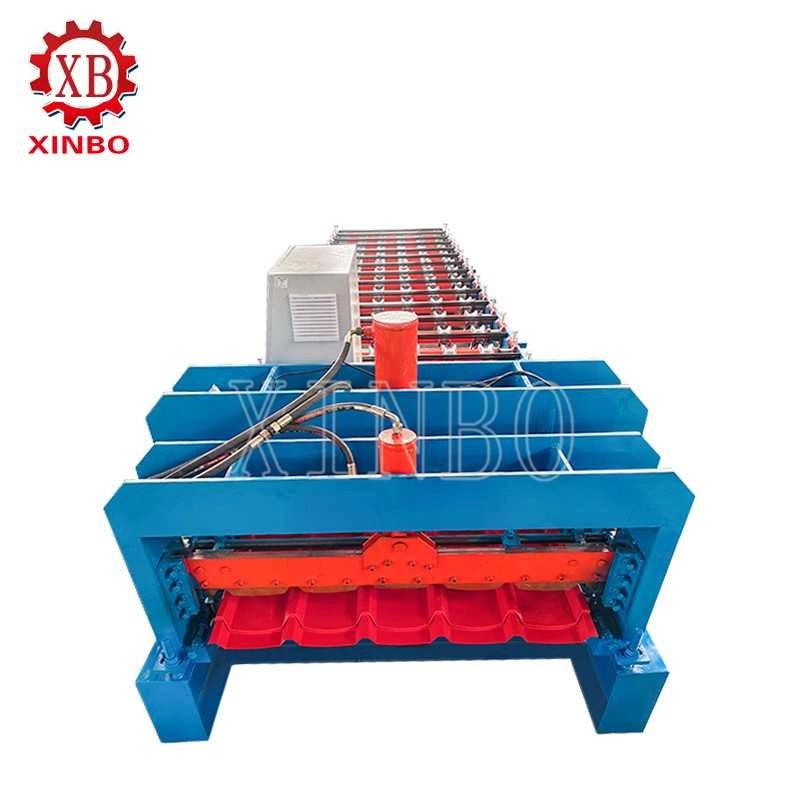
The PLC system can coordinate production quantity, sheet length, pressing, and cutting operations.
The encoder provides length feedback, while the cutting system separates each finished panel at the programmed length. The output table or stacking area then supports the completed roofing sheets.
XINBO’s glazed roof tile machine information, for example, describes adjustable material feeding, gearbox-driven forming, PLC control, and cutting to customized sheet lengths.
Which Glazed Tile Roll Forming Machine Specifications Should Buyers Compare?
The buyer should compare every quotation with the same technical checklist.
- The buyer should confirm the material type, thickness, yield strength, coil width, and coil weight.
- The buyer should confirm the effective width, rib dimensions, tile-step dimensions, and tolerances.
- The buyer should confirm the forming stations, shaft design, roller design, and transmission method.
- The buyer should confirm the actual finished-panel production rate.
- The buyer should confirm the PLC functions, cutting method, voltage, frequency, and phase.
Does Forming Speed Equal Actual Production Output?
Nominal forming speed does not always equal finished-tile production speed.
Step pressing, cutting, sheet length, and the machine control sequence can affect the complete production cycle. The buyer should therefore ask for output data based on the required glazed tile profile rather than comparing only a headline meters-per-minute figure.
How to Choose a Glazed Tile Roll Forming Machine
The buyer should start with the roofing product that the factory intends to manufacture rather than starting with the machine itself.
Which Buying Factors Matter Most?
- The buyer should approve a dimensioned roofing profile drawing.
- The buyer should confirm the material type, thickness, strength, and width.
- The buyer should calculate the required production output.
- The buyer should select the appropriate automation level.
- The buyer should confirm the factory voltage and available floor space.
- The buyer should define machine acceptance criteria before production begins.
A detailed specification makes quotations easier to compare because every manufacturer must quote against the same profile, material, production requirement, and testing conditions.
Glazed Tile Roll Forming Machine Price: What Determines the Quote?
The glazed tile roll forming machine price depends on the complete technical scope rather than one universal figure.
Profile complexity, raw-material properties, forming-station requirements, frame and shaft design, step-pressing system, cutting method, automation, production speed, and electrical configuration can all change the final quotation.
What Costs Exist Beyond the Main Machine?
The complete project cost can also include the decoiler, output system, additional tooling, spare parts, packing, inland transportation, international freight, import charges, unloading, and commissioning.
The buyer should calculate the total investment rather than comparing only the basic machine price.
How Should Buyers Compare Quotations?
Every quotation should use the same profile drawing, material specification, output requirement, voltage, acceptance criteria, shipping term, and supply scope.
This comparison method allows the buyer to identify genuine engineering differences instead of choosing a lower price that may represent a different machine configuration.
How Should Buyers Evaluate a Manufacturer?
A capable manufacturer should understand the roofing profile and material requirements before finalizing the machine design.
The manufacturer should also explain the forming sequence, tooling concept, transmission, step-pressing method, cutting method, control logic, and acceptance procedure.
Why Does a Factory Acceptance Test Matter?
The factory acceptance test should use representative production material whenever practical.
The buyer should verify finished dimensions, step consistency, cutting length, surface condition, control functions, and continuous production before shipment.
How Should Buyers Inspect the Machine Before Shipment?
The buyer should measure finished roofing samples against the approved profile drawing.
The buyer should check the effective width, rib dimensions, step distance, step depth, side-lap geometry, and cutting length.
The buyer should also inspect the sheet for scratches, coating damage, twist, bow, irregular waves, or uneven tile steps. A continuous production test can reveal coordination problems that a single short test sheet may not show.
What Finished-Sheet Problems Should Buyers Watch For?
The buyer should watch for twist, bow, edge wave, incorrect profile dimensions, inconsistent steps, surface scratches, and inaccurate cutting length.
Material variation, incoming coil shape, tooling setup, pressing coordination, and measurement control can all contribute to these problems. Technical roll-forming guidance also shows that incoming camber, coil set, crossbow, and buckle can influence the final shape of roll-formed products.
What Should Buyers Plan for Factory Layout and Shipping?
The buyer should reserve enough space for coil loading, the decoiler, forming machine, electrical access, runout tables, and finished-panel handling.
Long roofing sheets can require significantly more working space than the machine footprint alone suggests.
The buyer should also confirm packing dimensions, unloading equipment, local electrical supply, access doors, and the transport route from the factory entrance to the installation position.
What Information Is Needed for an Accurate RFQ?
A detailed RFQ helps the manufacturer propose a suitable machine configuration.
- The buyer should provide a dimensioned roofing profile drawing.
- The buyer should provide the material type, thickness, yield strength, coil width, and coil weight.
- The buyer should provide the required production output and common sheet lengths.
- The buyer should provide the required automation level and electrical specification.
- The buyer should provide the destination country or port when shipping is included.
Final Buyer Checklist Before Placing an Order
The buyer should approve the roofing profile, material, thickness range, material strength, coil width, tolerances, production requirement, machine configuration, electrical specification, and factory acceptance procedure.
The buyer should also confirm the complete commercial scope, including the decoiler, main forming line, output system, tooling, agreed spare parts, documentation, packing, shipping terms, and commissioning requirements.
FAQ
How Do I Choose a Glazed Tile Roll Forming Machine?
The buyer should begin with the finished roofing profile and raw-material specification. The buyer should then compare the forming design, step-pressing method, actual output, automation level, dimensional tolerances, electrical requirements, and factory acceptance criteria.
How Much Does a Glazed Tile Roll Forming Machine Cost?
The final price depends on the profile, material, tooling, machine structure, automation, pressing and cutting systems, production requirements, and supply scope.
A detailed RFQ produces a more meaningful quotation than a general request for a standard machine.
Can One Machine Produce Different Tile Profiles?
One machine can support multiple profiles only when its tooling and overall machine design have been engineered for that requirement.
The buyer should define every required roofing profile before the manufacturer begins the final machine and tooling design.
What Should I Check During a Factory Acceptance Test?
The buyer should check finished dimensions, step consistency, surface quality, cutting accuracy, control functions, continuous production, and agreed documentation.
The buyer should compare every test result with the acceptance criteria that both parties approved before production.
Request a Customized Glazed Tile Roll Forming Machine Solution
XINBO provides customized glazed tile roll forming machine solutions based on your roofing profile, material, production capacity, and electrical requirements.
Contact XINBO today with your profile drawing and production details to get a tailored machine configuration and quotation.

Good quality
XinBo machine making CO. LTD is a professional manufacturer and exporter in roll forming machine,
VIEW MORE→


 English
  Spanish
  Portuguese
  Arabic
  Russian
  French
  Dutch
Dutch  Turkish
  Swahili
  Serbian
  Romanian