Spanish
 Russia
LGS Machine Light Gauge Steel Roll-Formers Cut Costs & Build Faster
An LGS machine changes flat steel coils into exact framing profiles through steady roll forming. Manufacturers and builders pick a light gauge steel roll forming machine because it brings automation that cuts labor while raising output. An automatic LGS framing machine lets one operator run the whole production line, from feeding to cutting. This technology helps achieve quicker project timelines and steady quality in today’s construction. Businesses looking for better efficiency check how these systems lower costs compared to manual ways.
The following sections explain the working principle, key benefits, technical features, and more to help decision-makers evaluate an LGS machine investment.
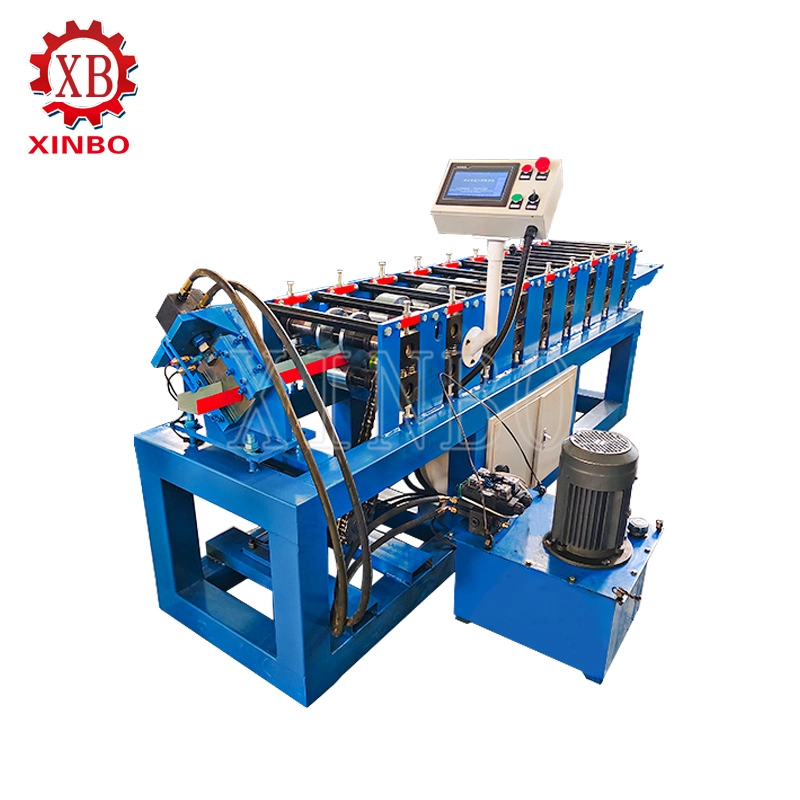
What Is an LGS Machine and How Does It Work?
A light gauge steel roll forming machine shapes thin steel strips into structural profiles at room temperature. The process uses progressive bending instead of heat or welding.
Light Gauge Steel Roll Forming Machine Working Principle
A light gauge steel roll forming machine sends a steel coil into a decoiler. The material then moves through a straightener to fix any bends. After that, the strip goes into a series of roller stations. Each station puts gradual pressure to bend the steel step by step until it reaches the final shape. The continuous forming process makes uniform profiles without changing the material’s cross-sectional area. Hydraulic or servo systems control speed and length for accurate results.
Components of LGS Roll Former (PLC, Rollers, Hydraulic Cutting)
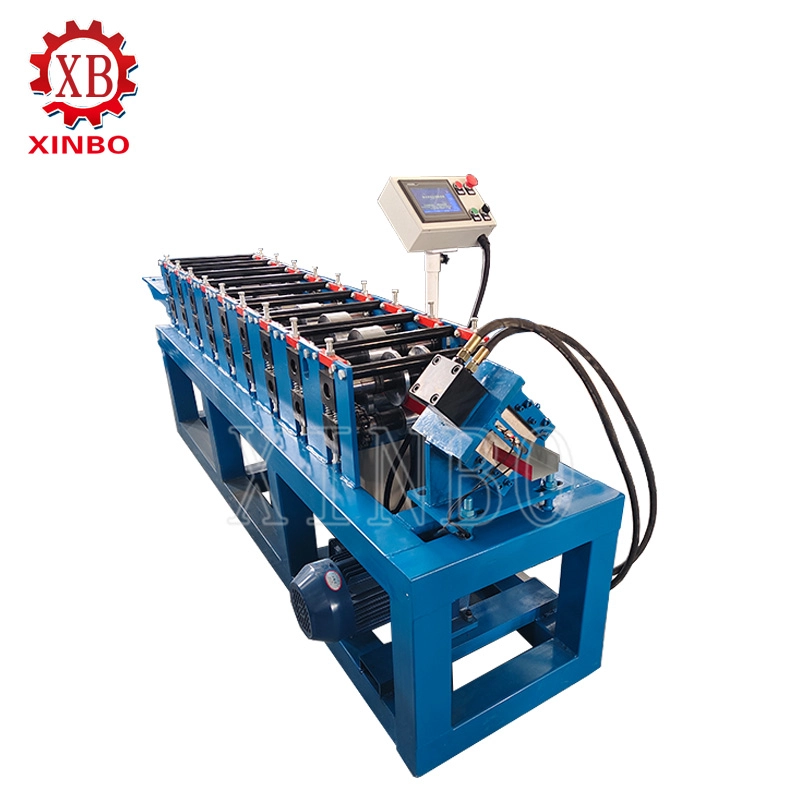
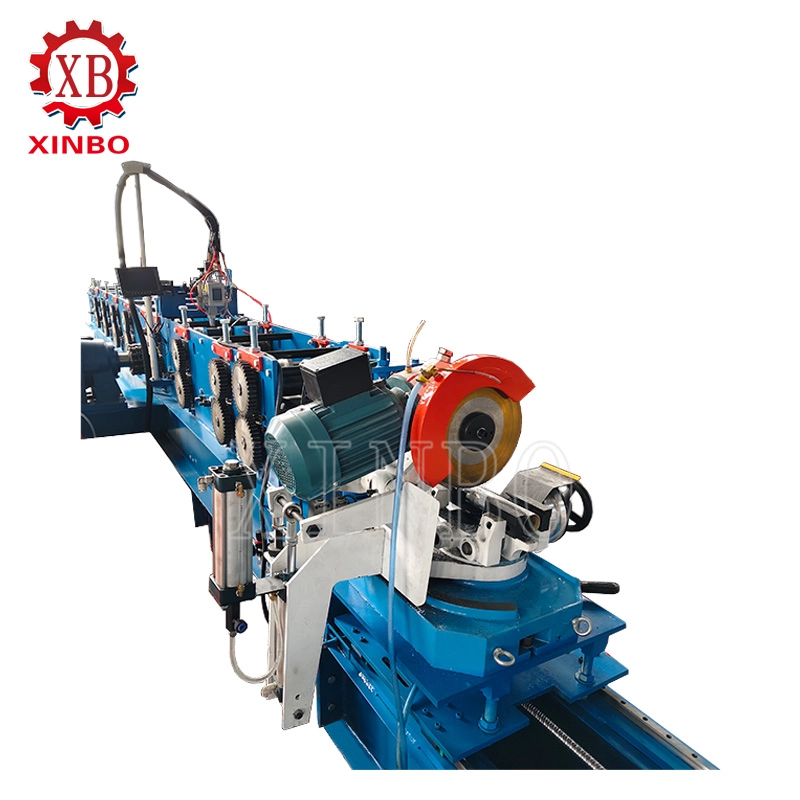
The main components of an LGS roll former include a decoiler for material feeding, many high-precision roller stations for shaping, a PLC control system for automation, and a hydraulic cutting unit. The PLC system watches operations in real time and lets operators change parameters through a simple interface. Precision rollers form the core of the machine and create steady bends. The hydraulic cutting system gives clean, square cuts at set lengths. These parts work together to produce ready-to-use profiles with little manual work.
Key Benefits of Light Gauge Steel Roll-Formers
Light gauge steel roll-formers give clear advantages for manufacturers and contractors who focus on efficiency.
Reduce Labor Cost with Automatic Roll Forming Machine
An automatic roll forming machine lowers labor costs in a big way. One operator handles the entire line, from coil loading to final cutting. Businesses remove the need for large teams required in traditional manual fabrication. This drop in workforce directly improves profit margins while keeping or raising production volume.
Improve Production Speed in LGS Construction
Light gauge steel roll-formers allow high-speed continuous production. The machine processes material at steady rates that go far beyond manual operations. Contractors finish framing components faster, which shortens overall project timelines. Higher output per hour lets companies accept more jobs and meet tight deadlines in competitive markets.
Precision Forming for Steel Framing Profiles
Precision forming delivers exact dimensions and smooth surfaces on every profile. Calibrated roller stations keep tight tolerances across long production runs. This accuracy reduces on-site adjustments and ensures strong, reliable connections in the final structure. Consistent profiles also cut material waste and improve structural performance.
Technical Features of LGS Roll Forming Machine
Modern LGS roll forming machines include advanced technology for reliable performance.
PLC Control System for LGS Machine
The PLC control system automates the LGS machine and makes operation easier. Operators enter design specifications through a touchscreen. The system watches speed, length, and punching in real time. This level of control ensures steady quality and allows quick changes between production runs.
High Precision Roller Stations Design
High precision roller stations form the heart of the light gauge steel roll forming machine. Engineers design each station to apply controlled incremental bends. The rollers use strong materials and precise machining to achieve smooth surfaces and accurate dimensions. This design supports tight tolerances required for structural framing.
Hydraulic Cutting System for Steel Profiles
A hydraulic cutting system provides clean and accurate cuts at any set length. The system connects directly after the forming stations for smooth operation. Builders receive finished profiles that need no extra processing, which saves time and reduces handling.
Customizable Profile Sizes (C/U Channels)
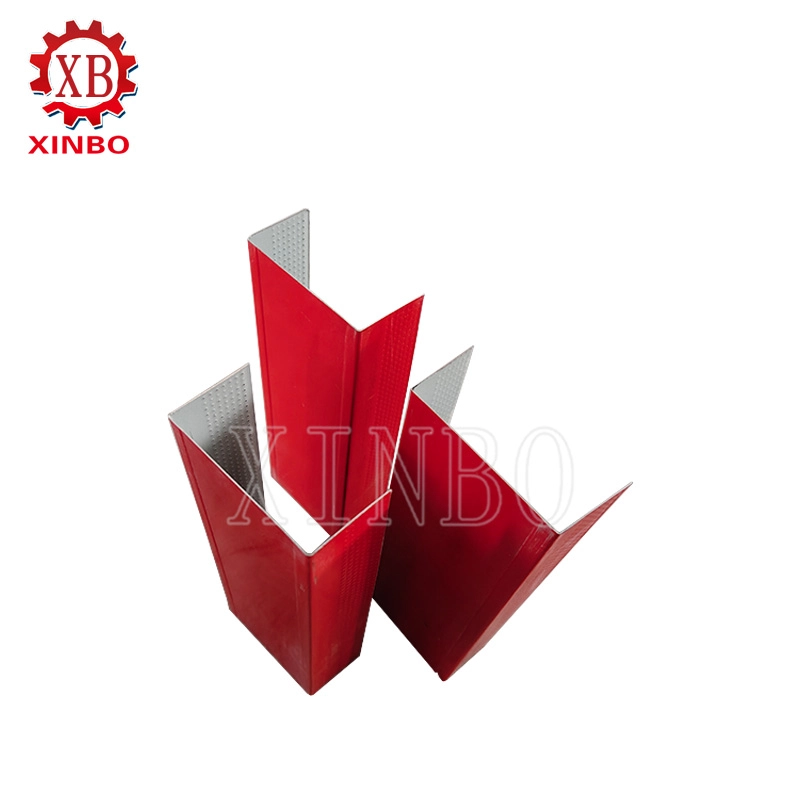
Many LGS machines support customizable C and U channel sizes. Operators adjust settings or tooling to produce different web depths, flange heights, and thicknesses. This flexibility makes the equipment suitable for a wide range of framing requirements in residential and commercial projects.
Applications of Light Gauge Steel Machines
LGS machines serve different construction needs with versatile framing solutions.
LGS Framing for Residential Buildings
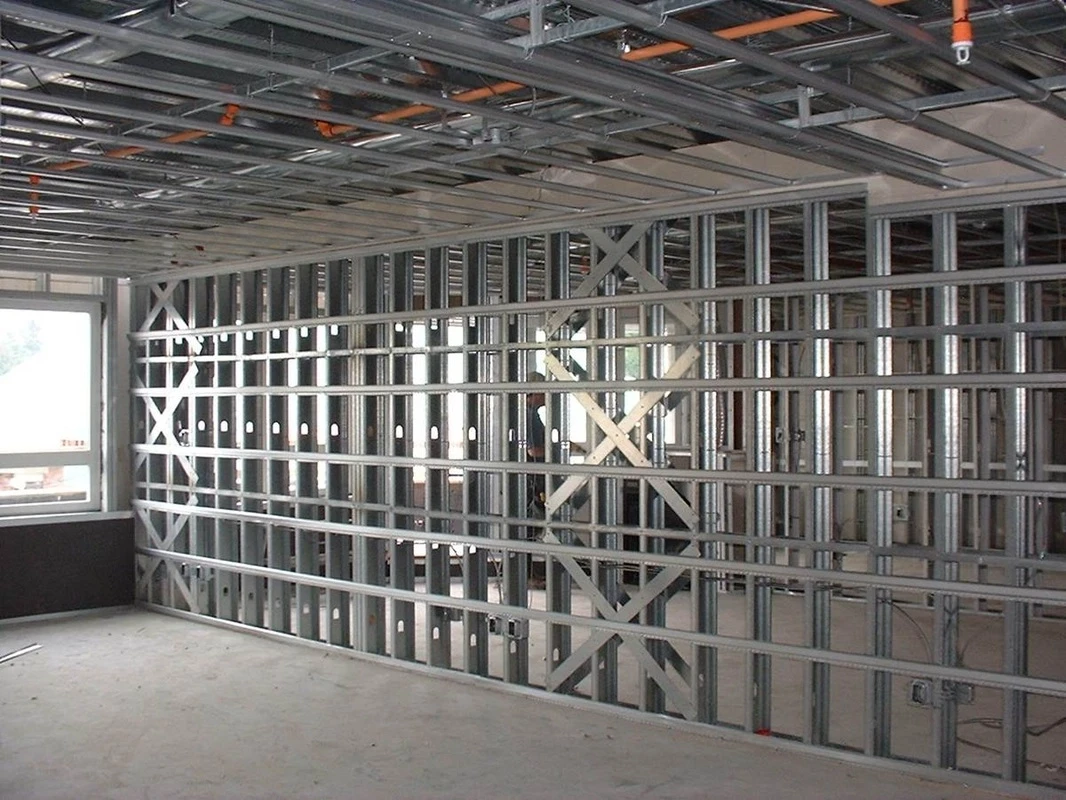
LGS framing works well for single-family homes and multi-unit residential buildings. The lightweight yet strong profiles create walls, floors, and roofs efficiently. Builders benefit from faster assembly and reduced on-site labor, which speeds up project completion.
Steel Structure for Prefabricated Houses
Prefabricated houses rely on components produced by a light gauge steel roll forming machine. Factories manufacture panels and frames off-site under controlled conditions. These elements transport easily and assemble quickly on location. The approach reduces weather-related delays and improves overall construction quality.
Commercial and Modular Construction Use
Commercial buildings and modular projects use LGS machines to create standardized framing elements. The technology supports scalable production for offices, schools, and other structures. Modular units arrive with pre-formed steel frames ready for rapid erection, which shortens timelines and controls costs.
How to Choose the Right LGS Machine Supplier
Selecting the right supplier ensures long-term value and reliable performance.
LGS Roll Forming Machine Price Factors
The price of an LGS roll forming machine depends on automation level, number of roller stations, material thickness capacity, and customization features. Buyers should evaluate production speed and output potential alongside the initial cost. Long-term efficiency gains often outweigh the upfront investment when calculating total ownership expenses.
Customization Capability and After-Sales Support
Strong customization capability allows the machine to produce exact profiles for unique project needs. Reliable after-sales support includes technical assistance, spare parts availability, and troubleshooting. These factors influence the machine’s performance and the owner’s satisfaction over years of operation.
Cost Analysis: Is an LGS Machine Worth It?
A thorough cost analysis reveals the financial advantages of investing in an LGS machine.
ROI of Light Gauge Steel Roll Forming Machine
The ROI of a light gauge steel roll forming machine shows through increased production volume and lower per-unit costs. Higher output and reduced labor expenses help businesses recover the investment relatively quickly. Many operators achieve payback within the first year of steady production, with additional gains in subsequent years.
Labor vs Automation Cost Comparison
Automation shifts expenses from ongoing high labor costs to a one-time machine purchase. Manual fabrication incurs repeated wages plus costs for error correction and rework. An automatic LGS framing machine streamlines these expenses while delivering consistent quality and faster throughput.
LGS Machine vs Traditional Steel Fabrication
Comparing an LGS machine with traditional methods shows clear operational differences.
Roll Forming vs Welding Steel Frames
Roll forming creates continuous profiles in a single line, while traditional welding assembles individual pieces. The roll forming approach reduces joints and potential weak points. It also eliminates much of the skilled labor and time linked with welding, resulting in stronger and more uniform frames.
Speed Comparison in Construction Projects
An LGS machine produces framing components much faster than traditional fabrication. Profiles arrive pre-cut and often pre-punched, which speeds up on-site assembly. Projects move quicker because the precision and uniformity of parts minimize adjustments and delays.
Waste Reduction and Material Efficiency
Roll forming generates far less scrap than cutting and welding separate pieces. The process uses nearly the entire coil with minimal leftover material. This efficiency lowers material costs and supports more sustainable operations in framing production.
Request a Quote for Your LGS Machine Solution
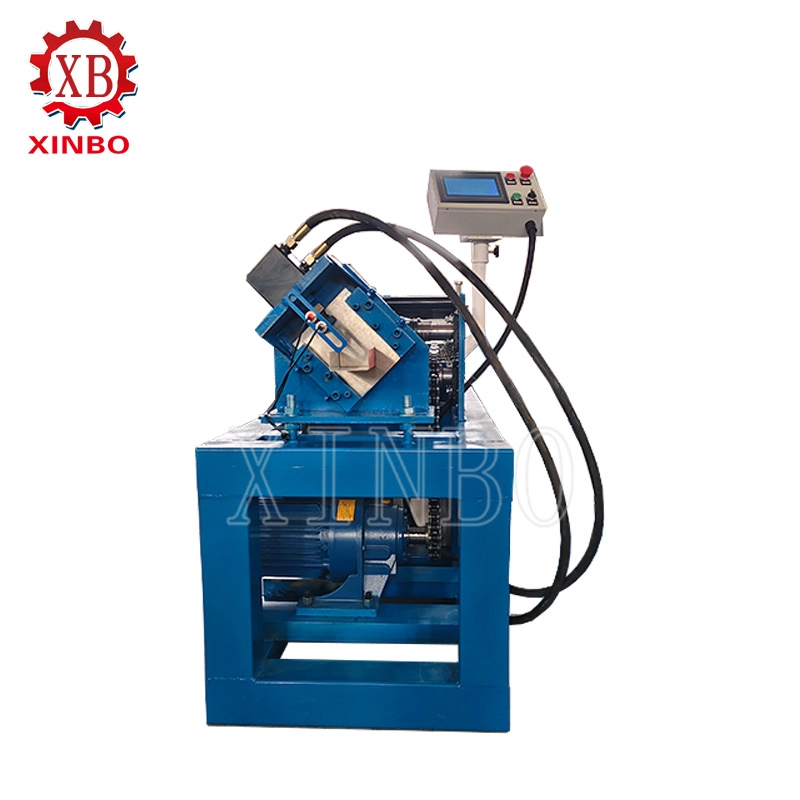
XINBO is a professional roll forming machine manufacturer established since 2014 that specializes in light gauge steel solutions, including light keel stud and track machines. The company offers customization, quality inspections at multiple stages, and international certifications to ensure reliable performance. Businesses interested in an efficient LGS machine can contact XINBO directly for tailored proposals and support.
FAQ
How does a light gauge steel roll forming machine achieve precision?
The machine uses a series of high-precision roller stations that apply incremental bends. The PLC control system monitors operations to ensure consistent dimensions across all profiles.
Can one LGS machine produce different C and U channel sizes?
Yes, many machines support customizable profile sizes. Operators adjust settings or tooling to meet specific web depths, flange heights, and thicknesses for various projects.
What factors affect the price of an LGS roll forming machine?
Key factors include the level of automation, number of roller stations, material thickness capacity, customization options, and production speed requirements.
How does an LGS machine compare to traditional steel fabrication in terms of speed?
An LGS machine produces components through continuous forming at much higher rates. It also reduces on-site assembly time because profiles arrive pre-formed and cut to length.
Related Posts
+

Good quality
XinBo machine making CO. LTD is a professional manufacturer and exporter in roll forming machine,
VIEW MORE→


 English
  Spanish
  Portuguese
  Arabic
  Russian
  French
  Dutch
Dutch  Turkish
  Swahili
  Serbian
  Romanian