Spanish
 Russia
Buy C U Ceiling Panel Roll Forming Machine What You Need to Know Before Ordering
Business owners, factory managers, and construction contractors often look for a reliable C U ceiling roll forming machine to make high-quality metal channels for modern building projects. Before any investment, it is essential to understand the machine’s capabilities, configurations, and key specifications. A well-chosen machine with hydraulic punching for ceiling channel can deliver consistent output, precise holes, and strong profiles that meet gypsum ceiling and drywall requirements. Many lines support the C U channel machine thickness range 0.3-1.2mm. This range makes them versatile for light-gauge steel production.
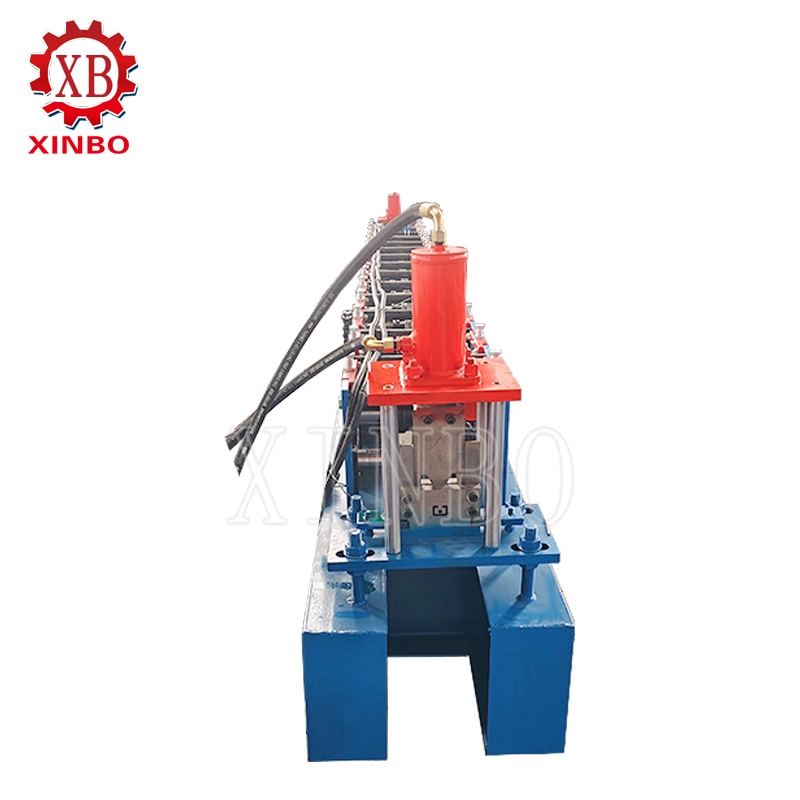
What Is a C U Ceiling Panel Roll Forming Machine?
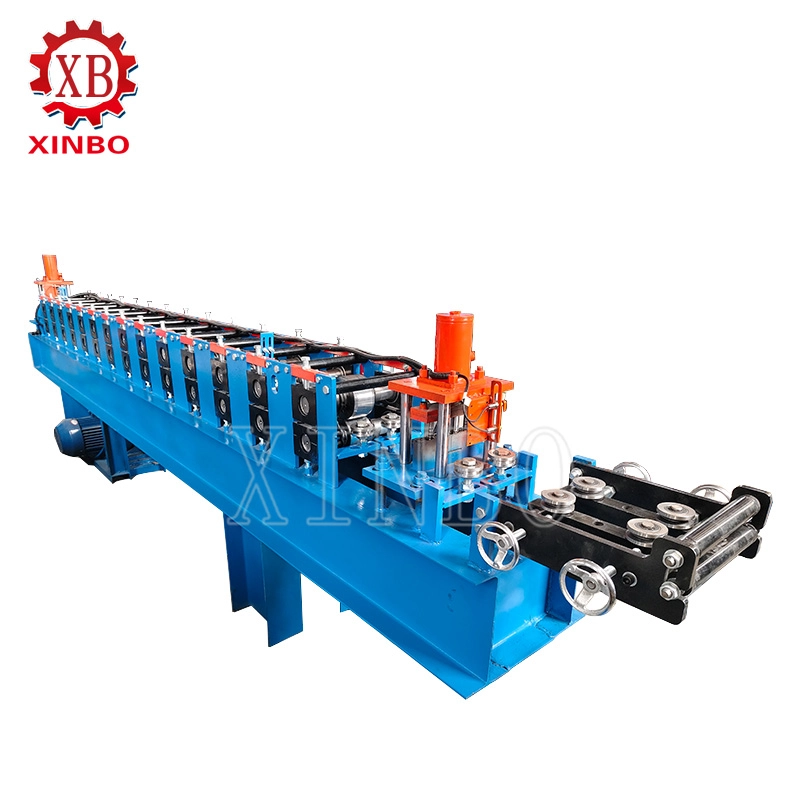
A C U ceiling roll forming machine is a specialized cold roll forming production line. It continuously shapes galvanized steel coils into C-shaped and U-shaped ceiling channels. These channels serve as essential structural components in suspended ceilings and interior partitions. The machine transforms flat metal strips into uniform profiles through a series of progressive roller stations. It often incorporates online punching and cutting for finished parts ready for assembly.
What Profiles Can It Produce? (C Channel vs U Channel)
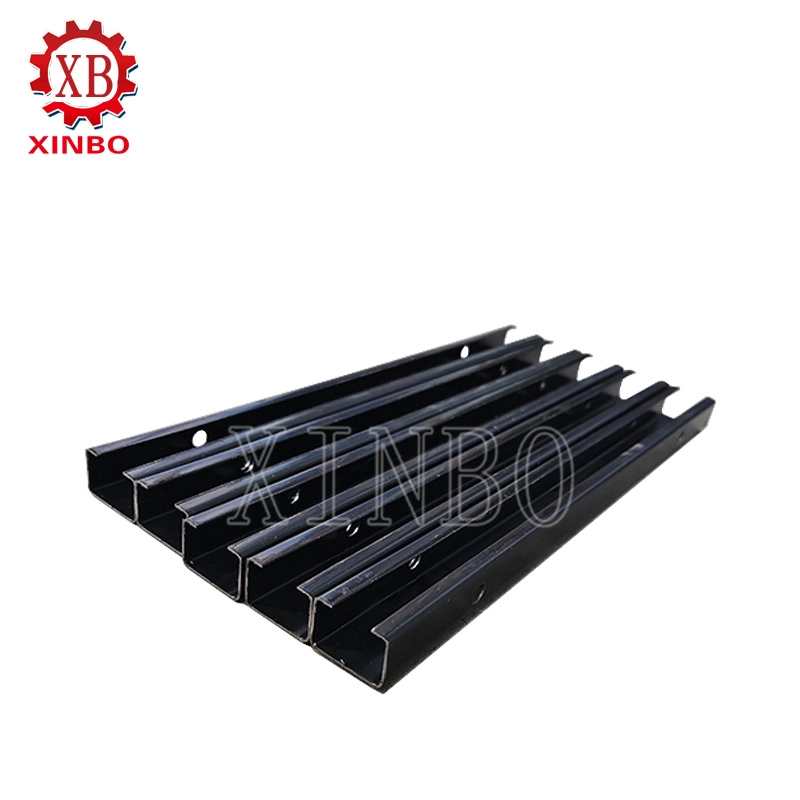
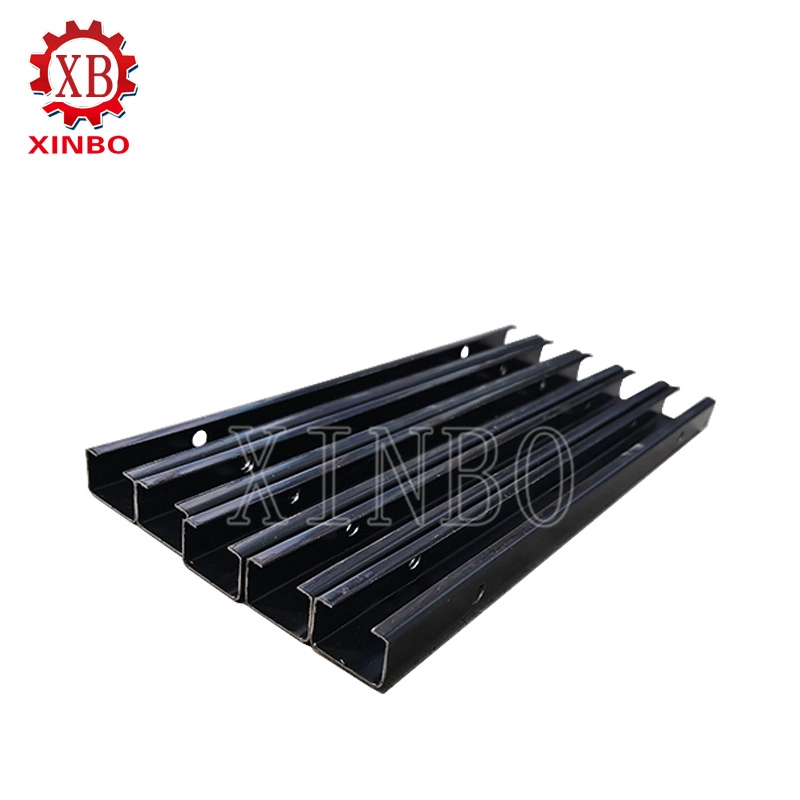
C channels and U channels differ significantly in design and performance. A C channel features a web with two flanges that include inward lips or returns. This configuration provides higher torsional resistance and greater bending strength. As a result, C profiles become ideal for load-bearing applications such as main carriers in ceiling grids or vertical studs in drywall partitions.
In contrast, a U channel has a simpler open shape with parallel flanges and no lips. U channels offer excellent lateral support and ease of installation. Manufacturers commonly use them as tracks, perimeter channels, or furring channels in gypsum ceiling systems. The difference between C channel and U channel ceiling profiles affects both structural integrity and assembly speed on site. A versatile C U ceiling channel machine can often produce both profiles on the same line. It does this by adjusting roller settings or using quick-change systems.
Typical dimensions include web widths from 50mm to 100mm, flange heights around 35-50mm, and material thicknesses in the C U channel machine thickness range 0.3-1.2mm. Buyers should confirm exact profile drawings to match project requirements.
Key Components of the Machine Line
A complete C U roll forming machine line consists of several integrated stations that work together for efficient production. The process begins with a decoiler (uncoiler) that feeds the steel coil smoothly. A leveling unit then flattens the strip. This step ensures uniform feeding into the main roll forming stations.
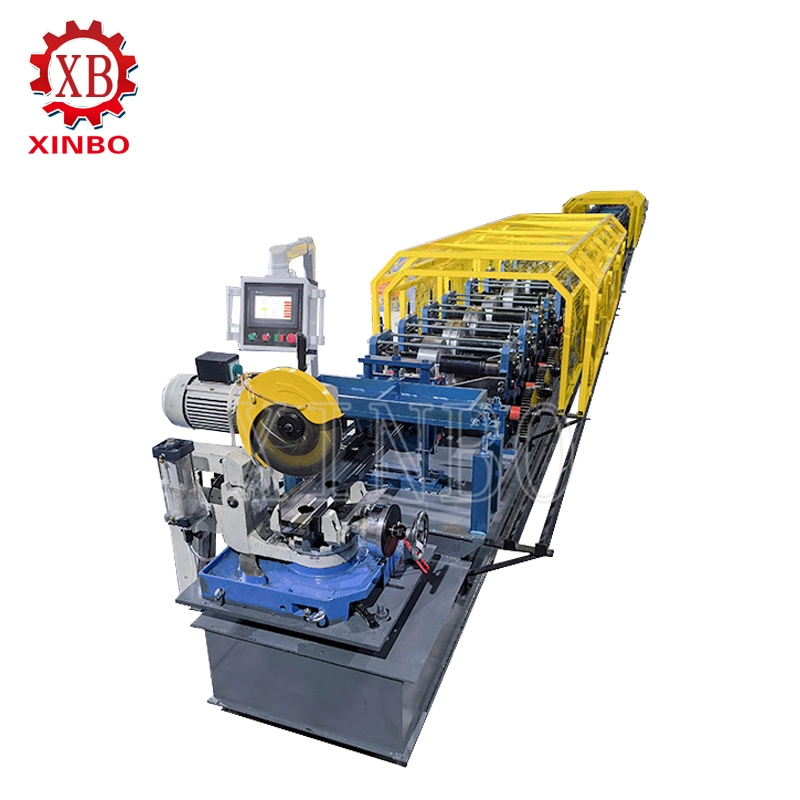
The core of the line features multiple roller stations made from high-quality materials such as GCr15 or Cr12 for durability and precision. A hydraulic punching unit follows or integrates inline. It creates accurate holes, slots, or notches required for ceiling installation. Finally, a hydraulic cutting system trims the formed channels to specified lengths. A run-out table or stacker collects the finished products.
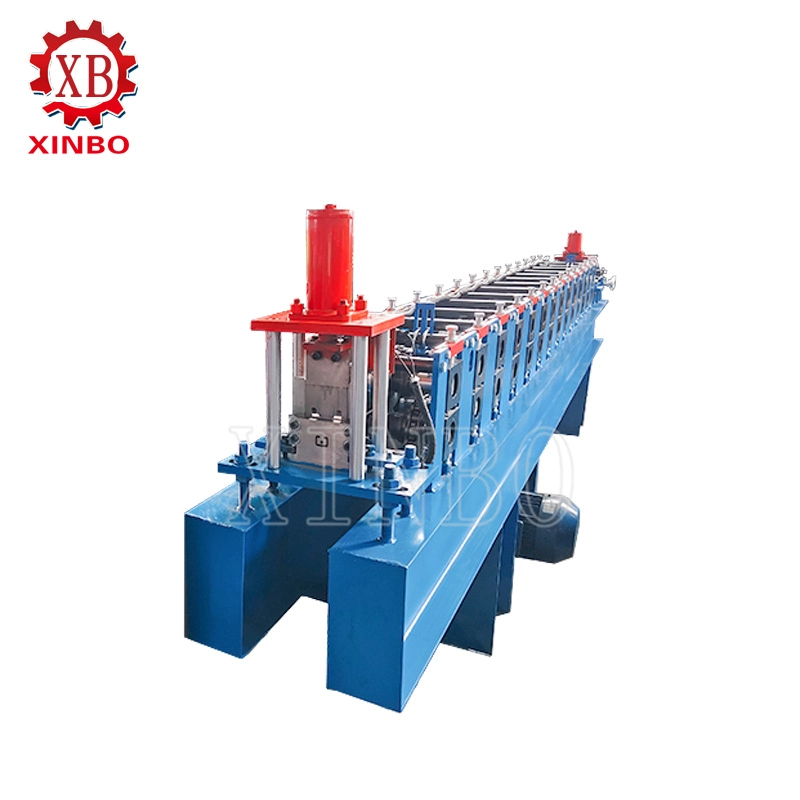
The hydraulic punching system stands out as a key advantage. It synchronizes with the forming speed and delivers precise positioning without stopping the line. This configuration defines a true roll forming line with hydraulic punching system. Professional operators appreciate how these components reduce manual intervention and improve overall line stability.
How the Roll Forming Process Works Step by Step
The roll forming process follows a clear, continuous workflow. It ensures repeatability and high quality.
-
Operators load the galvanized coil onto the decoiler and thread the strip through the leveling unit.
-
The leveled strip enters the progressive roller stations. Each pair of rollers gradually bends the material into the desired C or U shape.
-
The inline hydraulic punching unit creates required holes at exact positions while the strip moves forward.
-
The formed profile reaches the cutting station. There, the hydraulic cutter produces clean, burr-free ends.
-
Finished channels exit onto the run-out table for inspection and stacking.
This C channel roll forming process workflow relies on the cold forming principle. It maintains material strength without heat distortion.
Key Specifications to Check Before Buying
Careful specification review prevents mismatches. It also ensures the machine meets production goals.
Material Thickness and Coil Compatibility
Most C U ceiling roll forming machines handle galvanized steel in the C U channel machine thickness range 0.3-1.2mm. The line must accommodate coil widths and weights appropriate for the target profiles. Proper compatibility prevents roller wear. It also guarantees smooth forming without deformation.
Roller Stations and Forming Precision
The number of roller stations directly influences profile accuracy and surface finish. Lines with 10–18 or more stations usually produce sharper corners and straighter channels with minimal spring-back. More stations also allow better control when forming complex lips on C profiles. Buyers should evaluate the number of roller stations in ceiling roll forming machine against the required tolerance for their ceiling systems.
Cutting System: Hydraulic vs Flying Saw
Hydraulic stop-cut systems provide clean edges and require relatively low maintenance. This feature makes them popular for many ceiling channel lines. Flying saw cutters offer continuous motion at very high speeds but may increase complexity and cost. Hydraulic cutting system roll forming machine advantages include reliable performance and lower long-term operating expenses for standard production volumes.
Punching Accuracy and Hole Positioning
Precision punching ensures holes align perfectly for screw or rivet connections in ceiling grids. Advanced hydraulic units maintain tight tolerances even at higher speeds. When evaluating precision punching in C channel production line, request sample profiles with holes to verify positioning accuracy.
Applications of C U Ceiling Channels
C and U channels play vital roles across construction sectors.
Suspended Ceiling Systems
In C U channel for gypsum ceiling system, C profiles often act as main runners while U channels serve as cross tees or perimeter supports. These channels create strong, lightweight grids that hold gypsum boards securely.
Drywall Partition Structures
Metal stud and track applications in construction rely heavily on C studs for vertical strength and U tracks for top and bottom alignment. The profiles enable fast, clean interior wall construction.
Commercial vs Residential Projects
Commercial buildings demand heavier-duty channels with higher load ratings and larger spans. Residential projects often use lighter gauges for cost efficiency. Ceiling channel usage in commercial buildings frequently involves fire-rated systems and acoustic requirements that benefit from precise hole patterns produced by hydraulic punching.
Price Factors and Budget Planning
Understanding costs helps buyers make informed choices.
What Affects the Machine Price?
Key price drivers include the hydraulic punching system, PLC control quality, production speed, number of roller stations, and overall automation. Additional features such as servo width adjustment or auto stacking also raise the investment. C U roll forming machine price factors vary widely. Buyers should compare configurations rather than base prices alone.
Cost vs Performance: How to Choose
The best value ceiling channel forming machine balances initial cost with long-term reliability, output, and minimal downtime. A slightly higher investment in robust components often delivers better ROI through higher speed and lower maintenance.
Hidden Costs (Shipping, Installation, Training)
Total ownership cost includes sea freight, on-site installation, operator training, and spare parts inventory. Accurate roll forming machine total cost breakdown prevents budget surprises after delivery.
How to Choose the Right Supplier
Supplier selection influences machine performance and support quality.
Manufacturer Experience and Export Cases
Experienced manufacturers with proven international deliveries understand export packaging, documentation, and compliance requirements. A reliable roll forming machine manufacturer China should demonstrate consistent quality across shipments.
After-Sales Service and Technical Support
Strong technical support minimizes downtime through remote guidance, spare parts availability, and troubleshooting. Roll forming machine after sales service importance cannot be overstated for continuous production lines.
Customization Capabilities
The ability to tailor roller sets, punching patterns, and profile dimensions according to client drawings adds significant value. A custom C U channel roll forming machine ensures exact match to project specifications.
Get Your Custom C U Ceiling Roll Forming Machine Quote Today
XINBO, established since 2014 in Botou industry park, Cangzhou city, Hebei Province, China, specializes in metal shaping and roll forming machines with more than 10 years of manufacture experience. The company provides customization services according to client profile drawings. It maintains strict quality inspections (including three-stage checks before shipping). It also meets international standards while serving export markets such as Europe, the UK, and Canada. Contact XINBO via email at serena@cnxinbo.net to request a quotation or send your profile drawing for a tailored C U ceiling roll forming machine solution that matches your exact production needs.
FAQ
What is the typical thickness range for a C U ceiling roll forming machine?
Most machines handle the C U channel machine thickness range 0.3-1.2mm using galvanized steel coils.
How does online hydraulic punching improve ceiling channel production?
Inline punching synchronizes with forming speed. It delivers precise hole positioning and eliminates secondary operations for higher efficiency.
What production speed can I expect from a standard C U channel machine?
Standard lines run 10–50 m/min. High-speed models can exceed 80 m/min depending on configuration and material.
How many workers are usually needed to operate the line?
Fully automatic setups require 1–2 operators. Semi-automatic lines may need 2–3 workers.
Related Posts
+

Good quality
XinBo machine making CO. LTD is a professional manufacturer and exporter in roll forming machine,
VIEW MORE→


 English
  Spanish
  Portuguese
  Arabic
  Russian
  French
  Dutch
Dutch  Turkish
  Swahili
  Serbian
  Romanian