Spanish
 Russia
Snap Lock vs. Mechanical Seam: Which Standing Seam Profile Should Your Roofing Business Produce?
Choosing between snap lock and mechanical seam standing seam is more than a roofing-detail decision. For a contractor, panel manufacturer, or building-material supplier, the profile affects installation workflow, target projects, roll-forming tooling, and machine specifications. Snap-together profiles connect without a separate field-seaming operation, while field-seamed systems require the seam to be mechanically formed after installation. The right choice therefore depends on the roof system specification, customer mix, production requirements, and machine configuration—not on a universal claim that one profile is “better.”
Snap Lock vs. Mechanical Seam: What Are the Key Differences?
How the Seam and Installation Methods Differ
A snap lock standing seam profile is designed so mating panel edges engage during installation. A mechanically seamed profile is installed in an unfinished seam condition and then closed with compatible seaming equipment. The Metal Construction Association notes that field seaming mechanically bends and forms the joined seam, while snap-together profiles do not require that additional process.
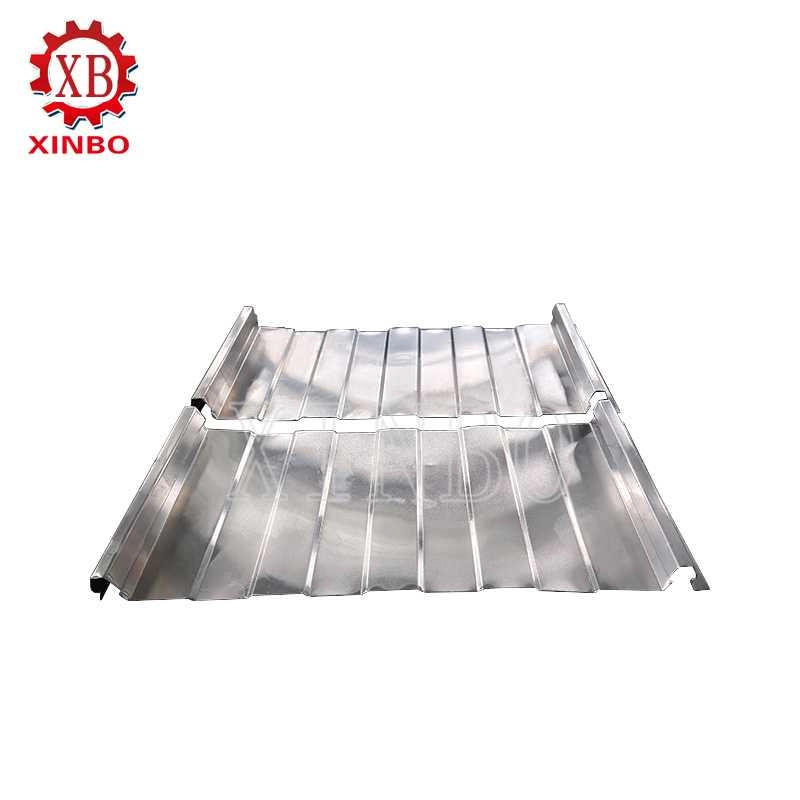
For contractors, this changes labor planning and jobsite equipment. Snap lock may suit projects that prioritize a simpler installation sequence, while a mechanically seamed system requires the correct seamer, panel geometry, and procedure. The seaming equipment must match the roof system; MCA guidance specifically notes that roof seamers are designed and calibrated for particular panels and systems.
How Performance, Project Requirements, and Cost Change the Choice
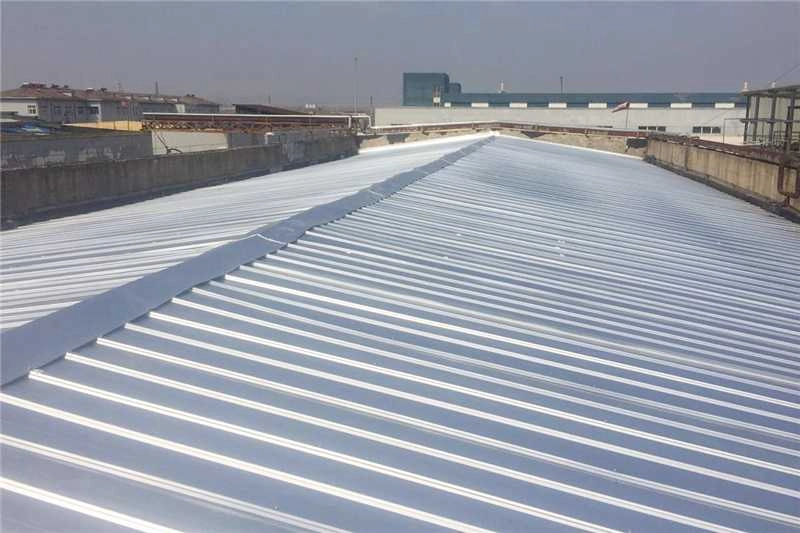
Profile selection should begin with the approved roof system and project conditions. Environmental exposure, wind and snow loads, architectural requirements, seam geometry, sealants, clips, and installation instructions can affect the final choice. MCA guidance identifies environmental conditions and requirements from system manufacturers, engineers, architects, and inspectors as factors affecting seam-profile selection. A generic rule such as “snap lock for this pitch” or “mechanical seam for every demanding roof” can therefore create procurement risk.
|
Decision Factor |
Snap Lock |
Mechanical Seam |
|
Panel connection |
Snap-together edge |
Field-seamed edge |
|
Additional seaming |
Typically not required |
Required |
|
Installation planning |
Fewer seaming steps |
Seamer and seaming sequence required |
|
Project suitability |
Depends on specified system |
Depends on specified system |
|
Production impact |
Snap-lock tooling/profile |
Mechanical-seam tooling/profile |
|
Main buying check |
Confirm geometry and application |
Confirm geometry, seam stage, and seaming process |
The better comparison is total project fit: production, labor, seaming equipment, installation procedure, and roof-system requirements.
When Should a Roofing Business Choose Snap Lock or Mechanical Seam?
Choose the Profile by Project Requirements, Not by a Universal “Best” Option
Snap lock can make sense when customers specify a snap-together system and installation efficiency matters. Mechanical seam can make sense when project documents call for a field-seamed roof system or when the panel design relies on a specific finished seam geometry.
Roof slope should be treated the same way. Instead of applying one universal minimum pitch to all standing seam panel types, confirm the specified panel system, seam design, sealant configuration, clips, local code requirements, and project drawings. MCA advises following the roof-system supplier’s instructions and project erection drawings rather than treating general seaming guidance as a substitute for system-specific requirements.
For a roofing business, start with current quotations. If most specifications request snap lock, a mechanical-seam-only profile may create unused capacity. If customers routinely require mechanically seamed systems, choosing equipment only because snap lock is simpler can limit the jobs the business can serve.
Which Standing Seam Profile Should Your Business Produce?
Match the Profile to Your Customers, Projects, and Production Volume
Production decisions should be based on demand. Review recent quotations and orders: Which standing seam panel profiles are repeatedly requested? What seam heights, coverage widths, materials, and thickness ranges occur most often? Are customers contractors buying panels, or is the company also responsible for installation?
A business serving repeat standard work may benefit from one frequently ordered profile. A fabricator serving varied specification-driven work may value more flexibility. A second profile should solve a recurring market need, not an occasional request.
The broader Xinbo roll forming machine manufacturer range covers metal-forming equipment for roofing panels, wall cladding, steel-building profiles, and related applications. For a producer, the real question is which profile can generate enough repeat demand to justify the required production capability.
Avoid Choosing a Profile Before Confirming Local Demand and System Requirements
A common purchasing mistake is selecting the roll former first and looking for demand afterward. Reverse that sequence. Confirm the target panel drawing, customer requirements, material, project specifications, and expected production volume before defining the machine.
If the market uses similar standing seam profiles, obtain dimensioned drawings rather than relying on photos or names alone. Terminology can vary, and mechanical seams themselves may be described by different finished-seam configurations; MCA, for example, distinguishes generic 90-degree and 180-degree seam forms. For manufacturing purposes, the tooling must form the required geometry rather than merely match a familiar profile name.
How Does Profile Choice Affect the Roll Forming Machine?
Profile Geometry, Tooling, Material, and Machine Configuration Must Match
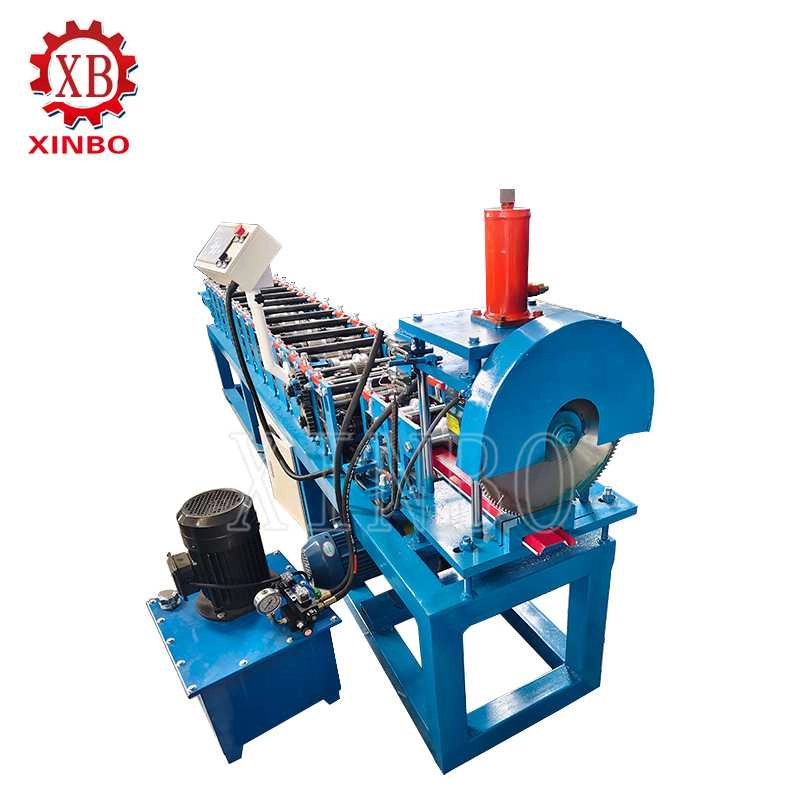
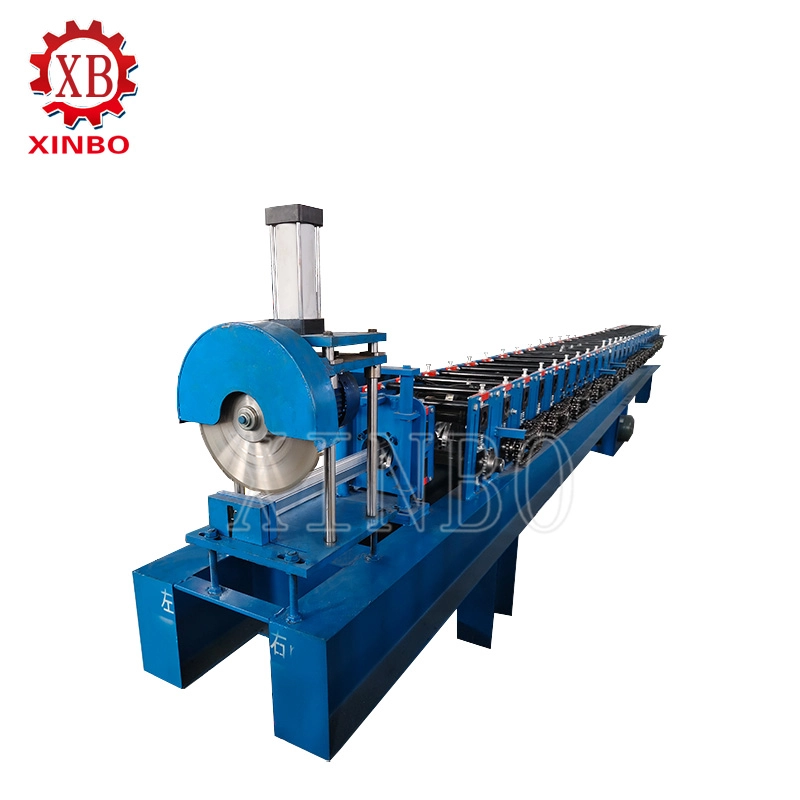
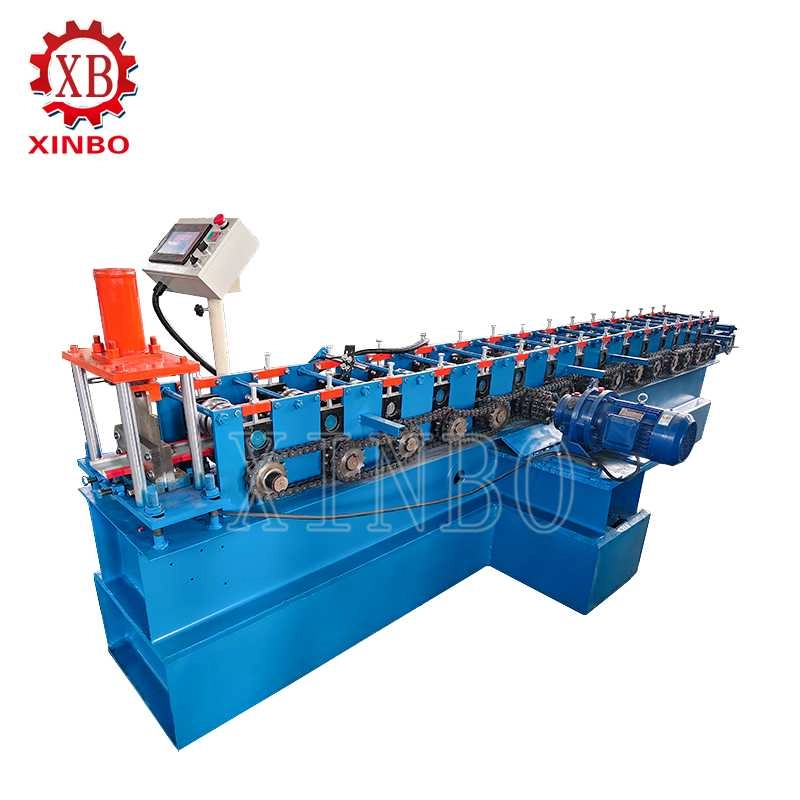
A standing seam roll forming machine forms coil through successive rolls until the target cross-section is produced. Different seam shapes therefore require tooling and setup designed for the required profile. Xinbo’s published Snap Lock buyer guidance states that panel design affects machine configuration and emphasizes confirming the profile drawing, material, locking edge, and production requirements before purchasing.
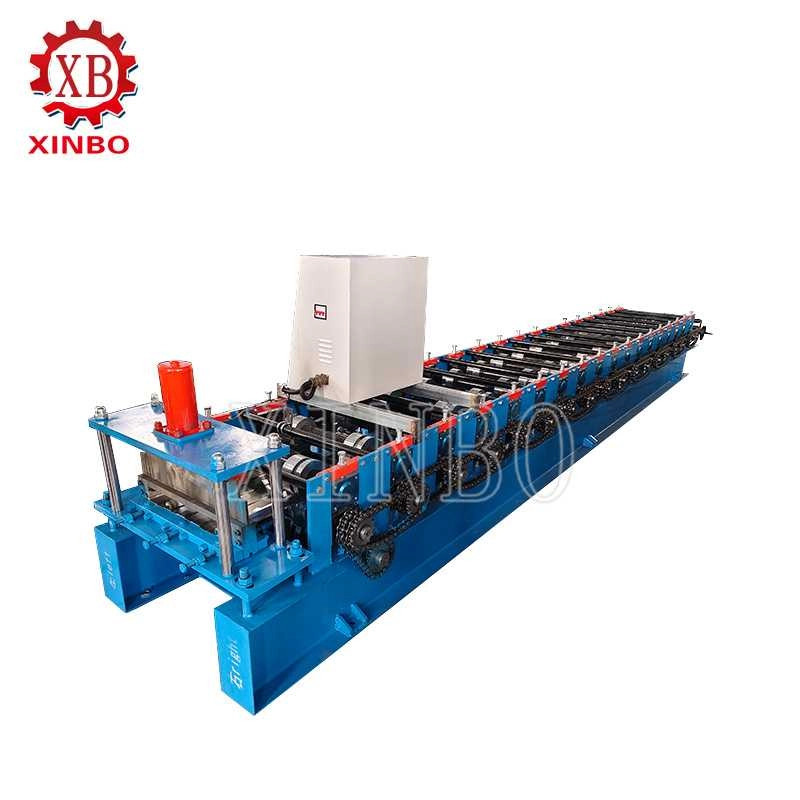
Before requesting a quote, define seam type, seam height, coverage width, coil material, thickness range, and relevant surface requirements. Xinbo’s Snap Lock Standing Seam Roll Forming Machine page lists PPGI, GI, and aluminum, plus hydraulic profile cutting, encoder length measurement, PLC control, and buyer-specified voltage. Exact suitability still needs to be checked against the panel drawing and production specification.
Can One Roll Forming Machine Produce Both Profiles?
Some machine platforms may support different tooling or profile configurations, while others are dedicated to one profile. Do not assume a standing seam roll former can switch between snap lock and mechanical seam simply because both are standing seam products. Each profile requires tooling and setup appropriate to its geometry; MCA similarly notes that different seamed profiles require carefully designed roller sets and setups.
Ask whether the machine is fixed-profile or supports profile changeover, what parts must change, and whether the material range remains the same. If future expansion matters, raise it before tooling design begins. This prevents a buyer from discovering after installation that a planned second profile requires substantially different tooling or equipment.
What Should You Confirm Before Buying a Standing Seam Roll Forming Machine?
Send a Complete Production Specification Before Comparing Suppliers
Comparable quotations require comparable inputs. A useful RFQ should include the panel drawing, seam type and height, finished coverage width, coil material, thickness range, coil width, expected production volume, required line speed, cutting requirement, electrical standard, factory or jobsite production mode, destination, and likely future profiles.
Do not compare suppliers only by total machine price. Compare the quoted profile, material range, included tooling and cutting system, acceptance method, documentation, and support. If only a physical sample is available, ask what drawings or dimensions are needed before tooling is finalized. Xinbo’s existing buyer guidance likewise recommends confirming the actual material and target panel structure before a machine quotation is finalized.
How to Evaluate a Standing Seam Roll Forming Machine Supplier
Evaluate Engineering Capability, Profile Verification, Testing, and After-Sales Support
A suitable supplier should discuss the profile as an engineering requirement rather than only as a machine name. Before production, confirm the drawing, material range, tooling concept, electrical requirements, and included equipment. Before shipment, the acceptance process should verify machine operation and whether the finished profile matches the agreed specification.
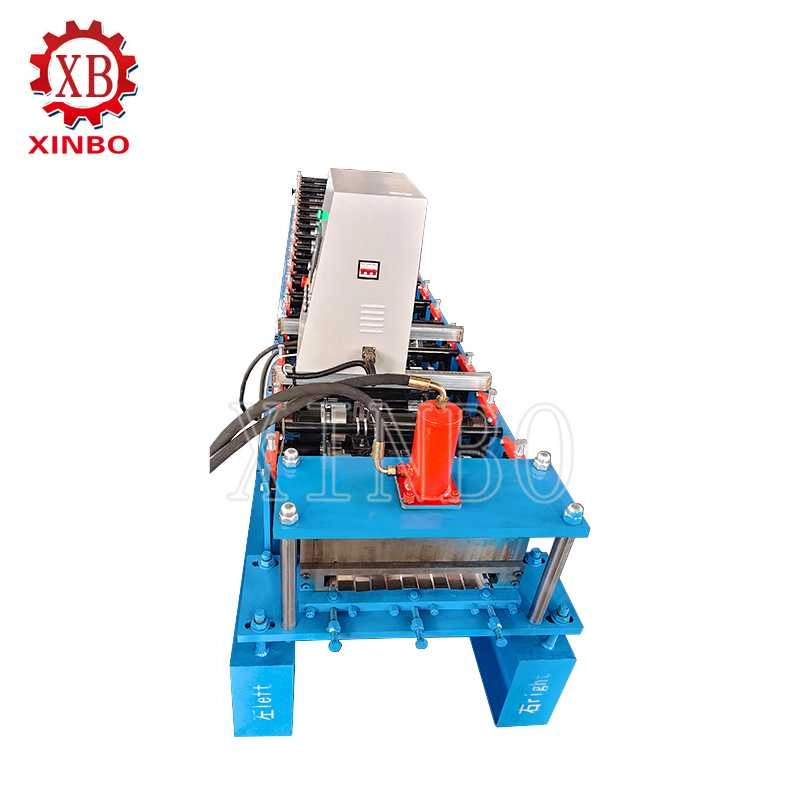
Xinbo states that it has in-house engineers and designers, CNC machining capability, and a multi-stage inspection process before shipment. Its About Xinbo page also describes machines being designed around customer profile requirements. Buyers should still request the inspection scope, acceptance criteria, spare-parts terms, documentation, warranty conditions, and after-sales support that apply to the specific order.
Published capabilities help shortlist suppliers, but approved technical documents and the purchase agreement should define the final scope.
Conclusion
Snap lock vs. mechanical seam is ultimately a profile-selection and production-planning decision. Start with the roof systems customers actually specify, verify project requirements, then translate the chosen profile into a precise production specification. The machine should follow the panel drawing—not the other way around.
For a new standing seam production project, prepare the profile drawing, material and thickness range, coverage width, seam requirements, electrical standard, expected output, and target application before requesting quotations. Buyers evaluating Xinbo can use Contact Xinbo to submit these details for a configuration discussion without assuming that an existing machine automatically fits every standing seam profile. The company’s contact page provides a project-inquiry form alongside its direct contact information.
FAQs
Is snap lock the same as mechanical seam standing seam?
No. Both are standing seam panel types, but their joining methods differ. Snap lock panels use a mating snap-together edge, while mechanical seam panels require an additional field-seaming operation. Verify the exact system requirements against the project specification.
Does snap lock require a mechanical seamer?
A snap-together seam profile does not normally require the field-seaming process used for mechanically seamed systems. Other installation requirements, including clips or sealants, depend on the specific panel system.
Is mechanical seam always better than snap lock?
No. The better profile depends on the specified roof system, environmental conditions, design, installation method, and customer requirements. MCA guidance makes clear that seam selection and equipment compatibility depend on project- and system-specific factors. Neither option should be selected from a single performance claim.
Can the same roll forming machine make snap lock and mechanical seam panels?
It depends on the machine and tooling design. Different profiles require appropriately designed roller sets and setup configurations. Confirm compatibility using the exact panel drawings, material range, and required finished seam before purchasing.
Related Posts
+

Good quality
XinBo machine making CO. LTD is a professional manufacturer and exporter in roll forming machine,
VIEW MORE→


 English
  Spanish
  Portuguese
  Arabic
  Russian
  French
  Dutch
Dutch  Turkish
  Swahili
  Serbian
  Romanian