Spanish
 Russia
Complete Buyer’s Guide to Roller Shutter Door Roll Forming Machine
A Roller Shutter Door Roll Forming Machine helps door manufacturers produce shutter slats from metal coils with stable size, repeatable profile shape, and accurate cutting length. An automatic roller shutter door roll forming machine can reduce manual work through PLC control, encoder measurement, and hydraulic cutting. A roller shutter slat roll forming machine also supports commercial shutters, industrial doors, warehouse doors, shopfront shutters, and garage door systems.
This guide explains how buyers should evaluate machine structure, material requirements, slat profile options, automation level, price factors, inspection points, and quotation preparation.
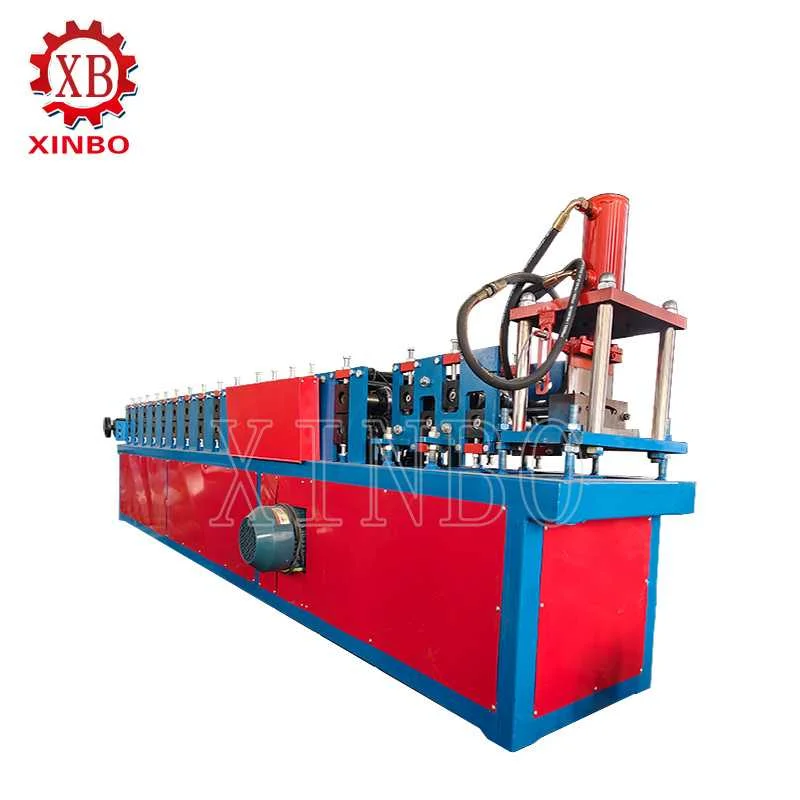
What Is a Roller Shutter Door Roll Forming Machine
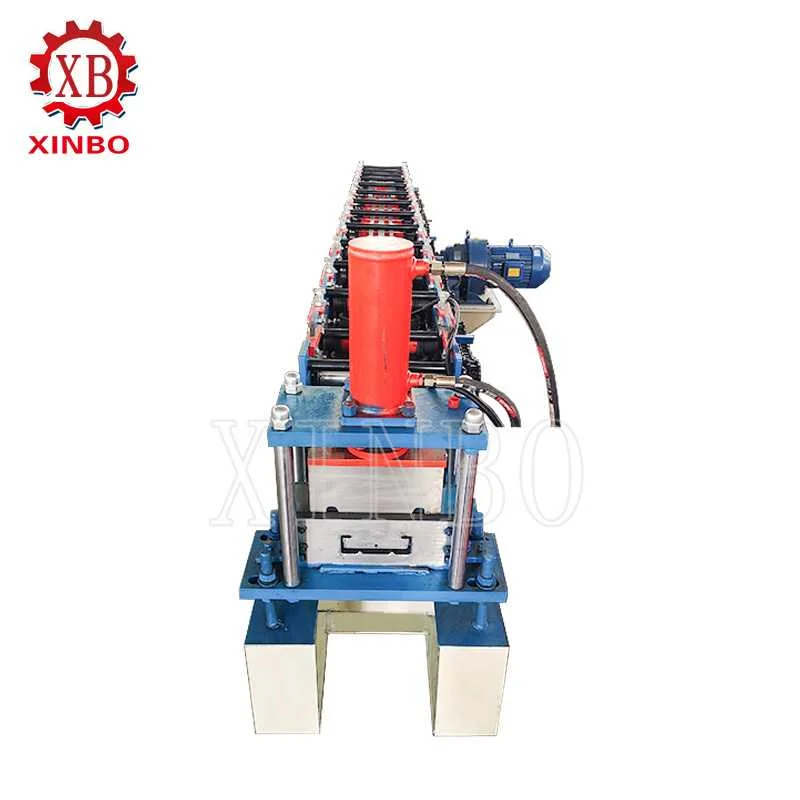
A roller shutter door roll forming machine is a cold roll forming production line for metal shutter slats. The machine feeds flat coil material through multiple roller stations, and each station gradually bends the strip into the required shutter profile.
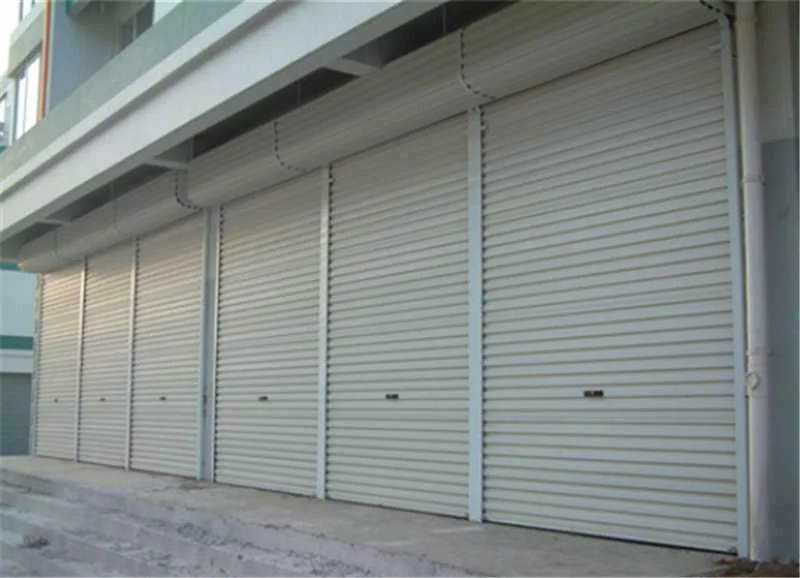
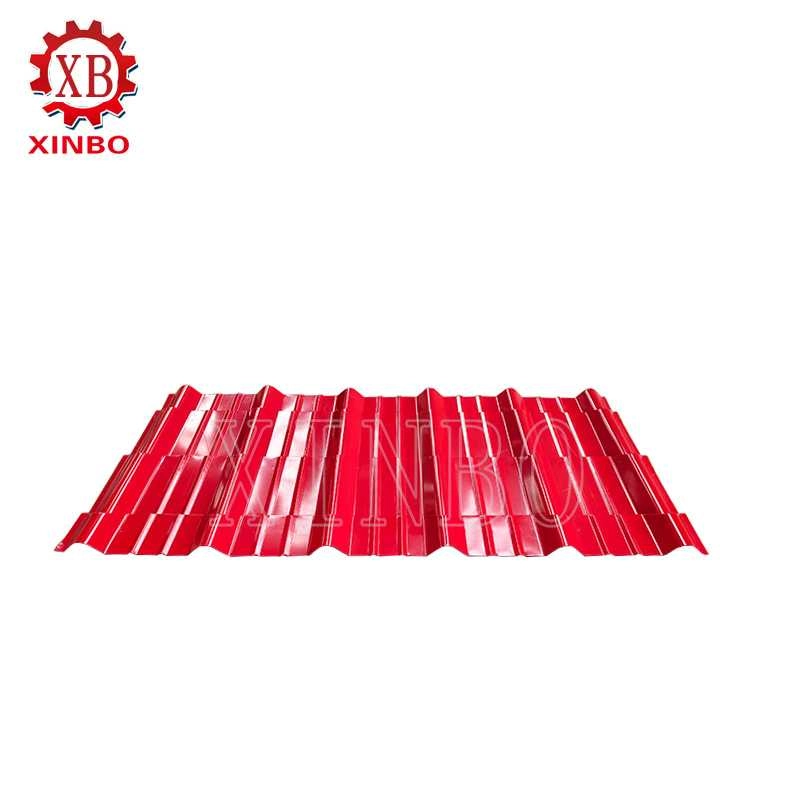
The machine usually produces slats for rolling shutter doors, security shutters, industrial doors, shopfront shutters, and garage doors. The final slat design depends on the profile drawing, material thickness, roller tooling, cutting system, and control accuracy.
How the Roller Shutter Slat Roll Forming Machine Works
A roller shutter slat roll forming machine works through a continuous production process. The process usually includes decoiling, feeding, leveling, roll forming, optional punching, hydraulic cutting, and finished product output.
Main Production Process
- The decoiler supports the metal coil and feeds the strip into the line.
- The feeding and leveling system guides the strip before forming.
- The roller stations shape the strip step by step.
- The punching or perforation system adds holes when required.
- The hydraulic cutting system cuts the finished slat to length.
- The output table collects finished shutter slats.
The buyer should confirm which functions are included in the quotation. Different configurations can change production efficiency, machine layout, and final price.
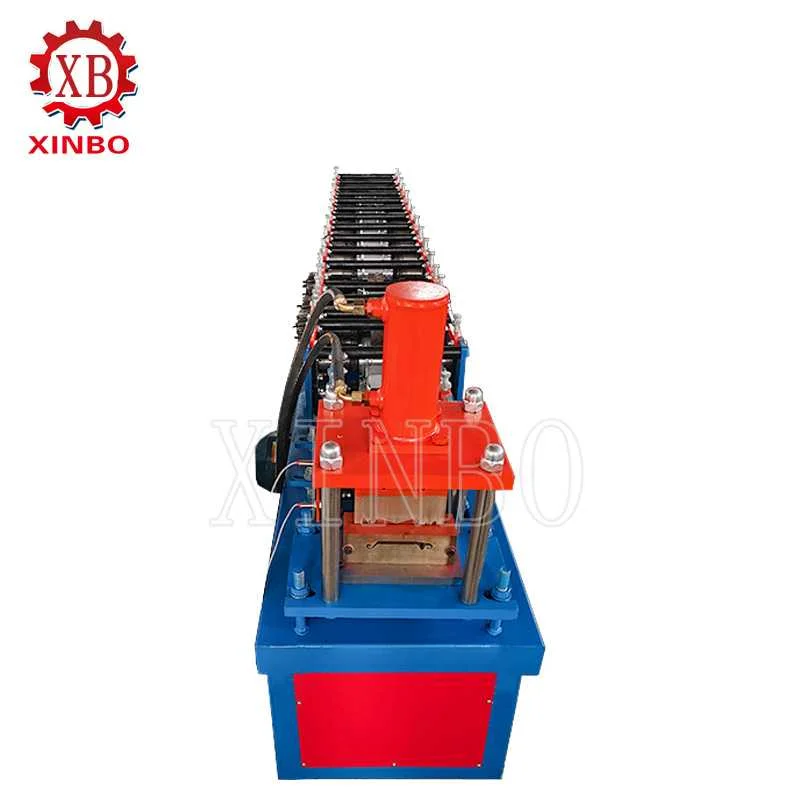
Main Components of a Roller Shutter Door Roll Forming Machine
A buyer should evaluate the complete configuration instead of only checking the machine name. The main components determine forming accuracy, production stability, and total investment value.
Decoiler and Feeding System
The decoiler supports coil loading and material feeding. The buyer should confirm coil weight capacity, coil size range, and feeding method.
The feeding system guides the strip smoothly into the roll forming section. Stable feeding helps reduce profile deviation, twisting, and uneven forming.
Roll Forming Stations and Rollers
The roll forming stations gradually shape the metal strip into the shutter slat profile. The roller material, machining accuracy, shaft strength, and station quantity affect finished slat quality.
The buyer should confirm whether the roller tooling follows the final profile drawing. The buyer should also check whether the rollers suit the selected coil material.
Hydraulic Cutting System
The hydraulic cutting system cuts the formed shutter slat to the required length. The buyer should confirm cutting accuracy, cutting method, blade material, and length tolerance.
Accurate cutting helps reduce material waste and improve later door assembly. The cutting blade should match the final profile shape.
PLC Control System
The PLC control system manages length setting, quantity setting, automatic counting, encoder measurement, and cutting signals. The touch screen allows the operator to adjust production data.
An automatic roller shutter door roll forming machine should include reliable control logic. The buyer should confirm voltage, phase, frequency, screen language, and electrical cabinet standards.
Suitable Materials for Shutter Slat Production
The material choice affects forming pressure, roller design, motor power, frame strength, and finished door performance. The buyer should provide material type, thickness range, coil width, and coil weight before requesting a final quotation.
Galvanized Steel Coil
Galvanized steel coil is commonly used for durable shutter slats. The material provides strength and corrosion resistance for industrial, commercial, and security door applications.
The machine design should match the required thickness range. A thicker galvanized steel coil may require stronger shafts, more forming stations, and higher motor power.
Aluminum Coil
Aluminum coil is suitable for lighter shutter slats. The material is often selected when buyers need lighter curtain weight, easier door movement, or a cleaner appearance.
The roller tooling should match the forming behavior of aluminum. The tooling should also protect the surface during bending and continuous production.
Common Shutter Slat Profile Options
Different shutter slat profiles require different tooling designs. The buyer should choose the profile according to target door application, market demand, and production plan.
Standard Curved Shutter Slat Profiles
Standard curved slats are widely used for security shutters and industrial rolling doors. The buyer should confirm slat width, curve radius, interlock shape, and finished length range.
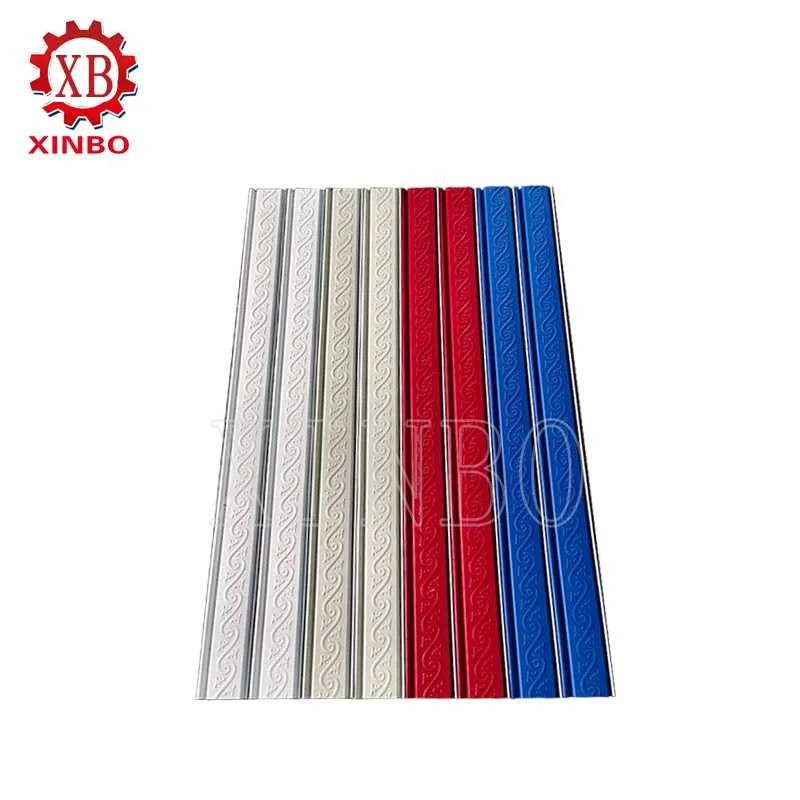
Perforated and Embossed Shutter Slats
Perforated slats allow airflow, visibility, and light transmission through the shutter curtain. Embossed shutter panels can provide a decorative surface and reinforced appearance.
The buyer should confirm hole pattern, embossing position, surface requirements, and production direction before machine design.
How to Choose the Right Machine
The right machine should match the buyer’s product, material, capacity, workshop, and budget. The buyer should compare technical configuration before comparing price.
Confirm the Slat Drawing First
The buyer should provide the shutter slat drawing before the supplier designs the machine. The drawing should include width, height, curve radius, lock shape, hole position, and finished length range.
Confirm Material and Thickness
The buyer should provide the material type, thickness range, coil width, coil weight, and surface coating details. The material data affects roller design, motor power, shaft size, and frame strength.
Confirm Speed and Automation Level
The buyer should match production speed with real order demand. The buyer should consider meters per minute, daily output, labor arrangement, and stacking requirements.
A higher automation level can include automatic feeding, punching, cutting, counting, and stacking. The buyer should select automation based on output needs rather than machine appearance.
Confirm Workshop Layout
The buyer should prepare workshop length, width, and available power supply. The machine layout should include the decoiler, main forming machine, hydraulic station, control cabinet, and output table.
Roller Shutter Door Roll Forming Machine Price Factors
The price of a roller shutter door roll forming machine depends on technical configuration and production requirements. A buyer should avoid comparing quotations without comparing the full machine specification.
Profile Complexity
A complex profile requires more roller stations, more tooling design, and more testing time. A perforated or embossed profile may also require additional systems.
Material Thickness and Machine Strength
Thicker material requires stronger shafts, stronger frames, higher motor power, and stronger cutting structures. The buyer should provide both normal thickness and maximum thickness.
Automation and Optional Functions
Automation level can significantly affect the final price. Optional functions may include automatic decoiling, punching, hydraulic cutting, flying cutting, encoder measurement, and automatic stacking.
Information Buyers Should Send Before Requesting a Quote
A complete inquiry helps the supplier provide a more accurate quotation. The buyer should prepare technical information before contacting the manufacturer.
- The buyer should send the shutter slat profile drawing or sample.
- The buyer should send the material type and thickness range.
- The buyer should send the coil width and coil weight.
- The buyer should send the finished product length range.
- The buyer should send the required production speed.
- The buyer should send the local voltage, phase, and frequency.
Quality Inspection Before Delivery
A reliable production project should include machine testing before shipment. The machine test should check feeding stability, forming accuracy, cutting accuracy, PLC response, finished slat size, and output quality.
FAQ
What Materials Can a Roller Shutter Slat Roll Forming Machine Process
A roller shutter slat roll forming machine can process galvanized steel, aluminum, stainless steel, and color-coated steel when the machine is designed for those materials. The exact range depends on material thickness, material strength, roller tooling, and motor power.
How Should a Buyer Choose an Automatic Roller Shutter Door Roll Forming Machine
The buyer should confirm the profile drawing, material thickness, coil width, production speed, cutting method, automation level, and workshop space. These details help the supplier design a machine that matches real production needs.
What Affects the Price of a Roller Shutter Door Roll Forming Machine
The price is affected by profile complexity, material thickness, roller material, frame strength, automation level, punching function, cutting method, stacking system, and export requirements. The buyer should compare full configurations instead of comparing only the machine price.
XINBO provides customized metal shaping machine and roll forming machine solutions for international buyers, including shutter door machine products, technical drawing support, ODM service, production testing, quality inspection, export packaging, and service support. The buyer can contact XINBO with the slat drawing, material thickness, coil width, voltage requirement, and production target to receive a suitable roller shutter door roll forming machine solution.

Good quality
XinBo machine making CO. LTD is a professional manufacturer and exporter in roll forming machine,
VIEW MORE→


 English
  Spanish
  Portuguese
  Arabic
  Russian
  French
  Dutch
Dutch  Turkish
  Swahili
  Serbian
  Romanian